 Tourism in Jaintia Hills District means an enriching and memorable experience for the travellers. Jaintia Hills District is blessed with abundant rainfall, sunshine, green forests, high plateaus, bewitching valleys, rivers, magnificent waterfalls and streamlets. All these attract the travellers from all the parts of the country.
Here are some of the most beautiful sites of Jaintia Hills District -
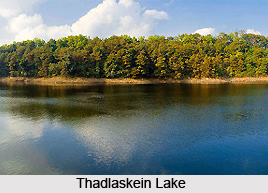
Thadlaskein Lake: Located 56 kms from Shillong and 8 kms from Jowai, this captivatingly placid lake is a popular picnic spot.
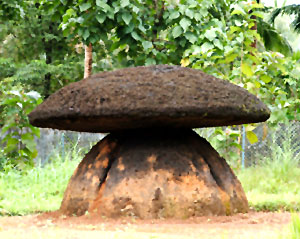
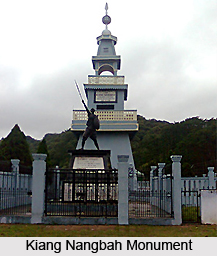
Kiang Nangbah Monument: Located on the banks of Syntu Ksiar, alongside the river Myntdu, there is a vast field known as Madiah Kmai Blai. At the centre of this field stands the elegant Kiang Nangbah Monument, a hollow tower-like structure of typical Jaintia design, erected by the Jaintia people in honor of U Kiang Nangbah, Jaintia patriot who sacrificed his life in Jaintia freedom movement.
Iale falls: Kupli River which flows through Assam-Meghalaya has thus carved for itself deep valleys and gorges all over, beside a steep, star-shaped gorge near Garampani, where Kupli falls over 60 feet to give rise to the well-known Iale falls also known in historical legends as Mahabati.
Syntu Ksiar: A vast pool of calm water, where the flow of the meandering river Myntdu which almost encircles Jowai, appears to come to a sudden halt, is known as Syntu Ksiar which means Golden flower. At Syntu Ksiar, river Myntdu provides a magnificent scene of remarkable beauty.
Summer Palace of Jaintia Kings: The ruins of the summer palace of the Jaintia kings at Nartiang are located on a hillock close to the well known Nartiang Temple. The palace appears to have consisted of several platforms and apartments probably used as living rooms, sacrificial rooms, entertainment halls, council chambers, etc. The remnants of this palace can still be seen.
Borghat Temple: Located at Borghat, close to the Bangladesh border, this rectangular brick-tile is presently in ruins.
Sutiang Fort: Located on a hill in between Tongseng and Shnongrim villages within Nongkhlieh Elaka of Jaintia Hills District, lies the ruins of an old stone fort or barricade, locally known as Sutiang Fort. According to local tradition this is the last fort of the Jaintias that was destroyed by the British rulers, during the war waged against them by the Jaintias under the leadership of U Kiang Nangbah. The fort which consists of a large number of stone caves is well barricaded.
Letein Valley, Lechka Valley, Umhang, Memjubel, Iawmusiang (largest Jaintia market located at Jowai) and Nartiang Temple are some of the other places of tourist interest offered by Jaintia Hills District.