
There are over nearly half-a-million Anglo-Indians spread all over the country. The story of the birth and growth of the Anglo-Indian community begins from the founding of the British settlement at Fort St. George, Madras, in 1639, but the community actually traces its ancestry to the Eurasian and Anglo-Indian Association which was inaugurated on 16 December, 1876. The years the followed were of affluence and prosperity. Anglo-Indians, sons of British fathers, were accepted willingly into the covenanted ranks of the British services and they gave a good account of themselves in the armed forces.
From 1857 to 1919 was a period of building and development. The Anglo-Indians played an outstanding role in serving and maintaining the posts and telegraphs, customs and police services, and specially the national asset, the railways.
In 1942, Frank Anthony was elected to succeed Henry Gidney as the president of what was then the All-India Anglo-Indian and Domiciled Europeans Association. On the eve of independence, the request for a single seat in India`s Constituent Assembly was refused by the British. Frank Anthony then appealed to the generosity of the Indian leaders and his astute and convincing appeal ensured a place for his community in the Constituent Assembly as also a special position in republican India`s constitution.
Anglo-Indian Community
The Anglo-Indian Community has been residing in India since 1876.
Recently updated articles in Religion in India
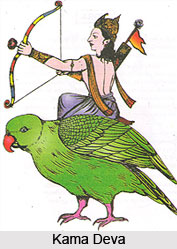
Kusumayudha
Kusumayudha is a name of Kamadeva, the Hindu God of Love. Depicted with a sugarcane bow and flower-tipped arrows, he represents attraction and longing...
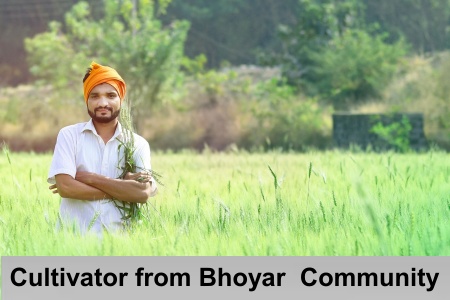
Bhoyar Caste
Bhoyar Caste is largely found in the Central Provinces of the country. Traditional occupation of Bhoyars is agriculture. They are good cultivators and...
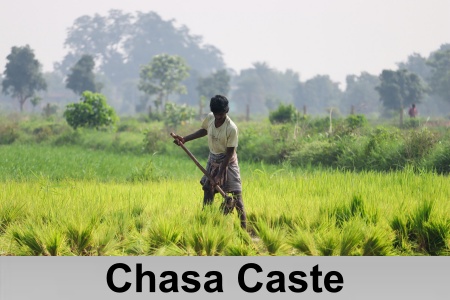
Chasa Caste
Chasa caste is a prominent agrarian community native to Odisha. Traditionally associated with cultivation and farming, Chasas have historically played...
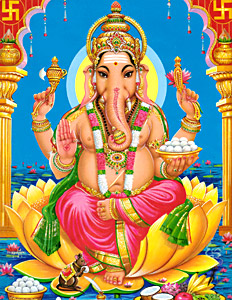
Vigneswara, A Form of Lord Ganesha
Lord Vigneswara is another form of Lord Ganesha or Vinayaka, prominently worshipped as the God of intelligence and good luck in the Indian subcontinen...
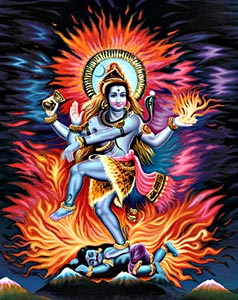
Maheswara
Maheswara, meaning “the Great Lord,” is a revered name of Lord Shiva in Hindu tradition. It represents Shiva’s supreme authority over creation, preser...
Related articles in Religion in India
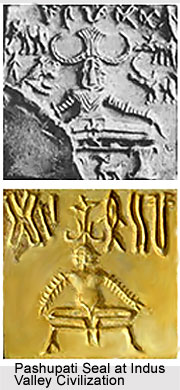
Religion in Indus Valley Civilization
Religion in Indus Valley Civilisation included Hinduism, Buddhism and Jainism. Details about the religion in Indus Valley Civilization have been gathe...
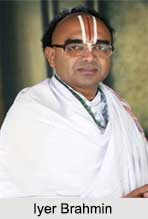
Iyer Brahmin
Iyer Brahmins are originally from Tamil Nadu of South India. They are known for their adherence to Advaita philosophy and Smarta traditions. Tradition...
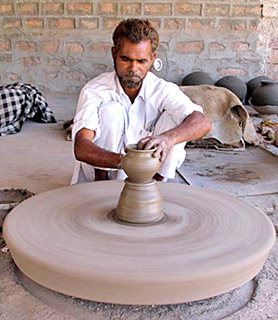
Kumbhakar / Kumhar Caste
Kumbhakar or Kumhar caste is a traditional artisan community in India known for pottery making. Derived from Sanskrit word Kumbhakar, meaning potter,...

Gujjars in Mughal Era
Gujjars in the Mughal era enjoyed great power. Further their power increased with the decline of Aurangzeb, Mughal emperor.
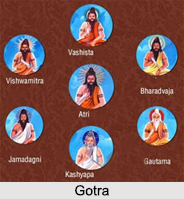
Gotra in Hinduism
In Hinduism, gotra refers to a lineage system tracing descent from ancient sages, primarily through the paternal line. Originating from Vedic traditio...