
Sowing the Seeds of Dissension which is mentioned in chapter I of Book XIII in Arthashastra entails that when the conqueror desires to seize the land of an enemy`s village, he should then invoke a spirit of enthusiasm in his own people and frightens his enemy`s people by giving publicity to his power of omniscience and close association with gods.
Sowing the seeds of dissension allows the conqueror to use and publicise his power of omniscience which includes rejection of his chief officers when there secret, domestic and private affairs are known; revealing the names of the traitors after receiving information from spies who are specially employed to find out such men; pointing out any impolitic aspect of any course of action suggested to him; pretending to have knowledge of the foreign affairs by means of his power to read omens and signs to read invisible to others when information was known only through the methods of pigeon and messengers. He can further proclaim his association with god. He and his spies can, by holding conversations and worshiping rituals, the make the enemy people believe about their spiritual powers,; or when through the tunnels they can suddenly stand in the midst of fire and above the water and prove their superiority in supernatural powers. By applying such methods like controlling the snakes, crocodile as well as other wild reptiles which live in water; he can prove himself as God of Water or God of Snakes and convince the people about his magical powers.
Sowing the seeds of dissension further allows him to act like astrologers, sooth-Sayers, horologists, or story tellers as well as those who can read the future and fore say about the coming crisis. Together with his spies and disciples the conqueror should be able to give much publicity to his supernatural powers to prove the power of the king to be directly associated with gods throughout his territory. Likewise in the foreign countries the conqueror should spread the news of gods appearing in the front of the conqueror or receiving blessed weapons and treasury from the god directly. It further claims that the conqueror`s chief messengers, pretending to be friendly to the enemy , should speak highly of the conquerors respectful treatment towards his visitors, of the strength of his army, and of the likelihood of impending destruction of his enemy`s men. They should also inform the enemy that how happy the soldiers and the ministers are under his rule.
Sowing the seeds of dissension claims that once the conqueror is able to win the confidence of the enemy`s people, it shall be easier for the conqueror to sow the seeds of dissention among the people of the enemy camp. He should consider his enemy as hound of cattle, donkeys who fall on the skilful persons. When the people of the enemy are convinced with the conqueror`s powers, they may send to the conqueror token of wealth and honours. The conqueror should send food and shelter to those who need these at the time of crisis.
Thus, in this process the conqueror should be able to establish himself in the enemy area which shall help him to dislodge his enemy more easily.
Sowing the Seeds of Dissension
Sowing the Seeds Of Dissension which is mentioned in chapter I of Book XIII in Arthashastra mainly describes the strategic method of the conqueror to convince the people of the enemy area about the supernatural powers of the conqueror and in the process the sow the seeds of dissention among the enemy camp.
Recently updated articles in History of India
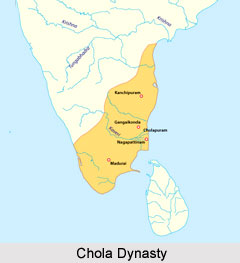
Chola Dynasty
Chola Dynasty is a Tamil dynasty and had longest duration of ruling in parts of South India. Chola dynasty had ruled South India successfully for a ex...
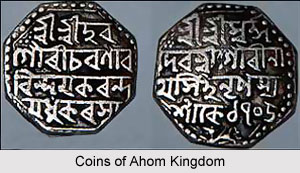
Suhungmung
Suhungmung was the fourteenth ruler of the Ahom dynasty who ruled from the period 1497 to 1539 AD. His reign was significant in terms of expansion of...
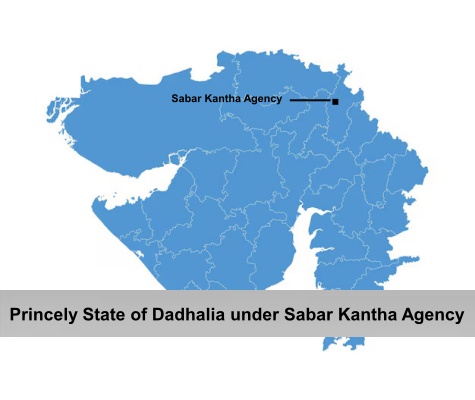
Princely State of Dadhalia
Princely State of Dadhalia was located in the present state of Gujarat. The state covered a total area of 28 sq miles and comprised of 15 villages. Th...
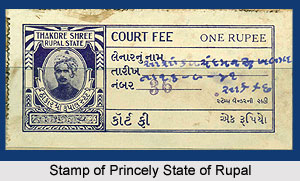
Princely State of Rupal
Princely State of Rupal was a part of the Baroda Agency, a sub division of Western India States Agency. It was under the administrative control of the...
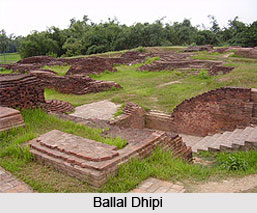
Archaeological Sites of West Bengal
Archaeological sites of West Bengal reveal several aspects of ancient India. Excavations by the Archaeological Survey of India have furnished artefact...
Related articles in History of India

Mughal Architecture during Babur
Mughal architecture during Babur marked the foundation of a new architectural era in India, blending Timurid, Persian, and local influences. His reign...

Architecture during Sayyid and Lodi Dynasty
Architectures during the Sayyid and Lodi dynasty were mainly the tombs and monuments for the dead rulers. It were carefully designed and meticulously...

Brahmanical Sources of Ancient History
Brahmanical Sources of ancient history are contained in the Vedas and they constitute one of the most important literary sources of information about...

Coins of Chola Empire
Coins of Chola Empire were issued in gold, silver and copper and carried the Chola emblem.

Coins of Khilji Dynasty
Coins of Khilji Dynasty had an influential feature that was followed by the other dynasties.