
Society in post Mauryan period witnessed mixed practices due to rule of the foreigners rulers. They had imposed new social rules. Vaishyas and shudras attained social status due to the growth of arts, crafts and trade. This age is also known as Dark Age. Several small kingdoms ruled in the post Mauryan period.
Society witnessed many changes in the traditional concept of varna. This change is reflected in the jati system. This system emerged within the varna system through fragmentation, consolidation as well as the incorporation of tribal and foreign communities.
The varnas were extended in order to provide institutional and ideological base for the growth of a wider society. Concepts of vratya and varnasamkara were invented due to the assimilation of divergent social, economic and cultural groups in 2nd century B.C. These two concepts contributed to the formation of separate jatis. These theoretical devices were successful in extending the Varna system into the jati system. The jati hierarchy is organised on the principle of the absolute purity of the brahmin caste.
Varnas are broad categories that include a large number of jatis in a loose fashion. The vratya and varnasamkara concepts have led to a modification of the Varna concepts in the early historical period. Concepts regarding vaishya and shudra acquired new meanings which favoured a shift from the relative purity of function to relative purity of birth.
Within the varnas, territorial and occupational differences played an important role in the emergence of segmented identities. Castes ranked within these categories emphasize their specialisation in a tradition of learning or territorial affiliation.
The process of evolution of jatis acquired a new dimension in the post-Mauryan period. The jati system witnessed a crisis in the old order. The law makers were desperate to preserve brahmanical society by ordaining rigorous measures against shudras and by inventing suitable genealogies for the incorporation of foreign elements into the society.
During this period women also took to ploughing. The distinction between the functions of the vaishyas and the shudras was being obliterated gradually. The shudras do not appear as peasants, paying taxes to the state. It is presumed that shudras were employed mostly as agricultural workers. Artisans and craftsmen were mostly from the shudra category. They were organised in guilds. They became wealthy thereby leading to high status. The Satavahanas declared themselves to have restored varnashramadharma. From the post-Mauryan era founders of dynasties were often Brahmins, royal titles were sanskritized and kings performed Vedic rituals.
Society in Post Mauryan Period
Society in post Mauryan period witnessed structural reorganization. Foreign dynasties ruled India after decline of Mauryan Empire.
Recently updated articles in History of India
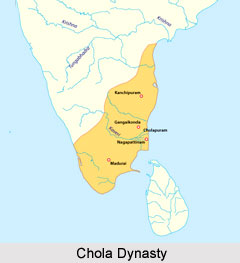
Chola Dynasty
Chola Dynasty is a Tamil dynasty and had longest duration of ruling in parts of South India. Chola dynasty had ruled South India successfully for a ex...
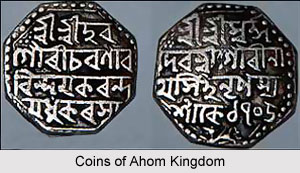
Suhungmung
Suhungmung was the fourteenth ruler of the Ahom dynasty who ruled from the period 1497 to 1539 AD. His reign was significant in terms of expansion of...
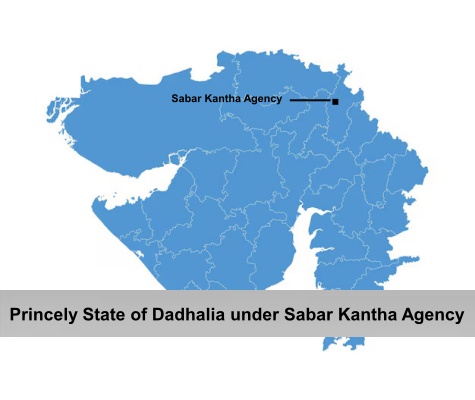
Princely State of Dadhalia
Princely State of Dadhalia was located in the present state of Gujarat. The state covered a total area of 28 sq miles and comprised of 15 villages. Th...
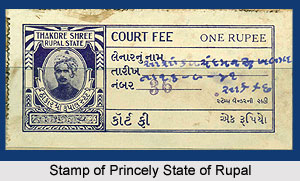
Princely State of Rupal
Princely State of Rupal was a part of the Baroda Agency, a sub division of Western India States Agency. It was under the administrative control of the...
Archaeological Sites of West Bengal
Archaeological sites of West Bengal reveal several aspects of ancient India. Excavations by the Archaeological Survey of India have furnished artefact...
Related articles in History of India

Mughal Architecture during Babur
Mughal architecture during Babur marked the foundation of a new architectural era in India, blending Timurid, Persian, and local influences. His reign...

Architecture during Sayyid and Lodi Dynasty
Architectures during the Sayyid and Lodi dynasty were mainly the tombs and monuments for the dead rulers. It were carefully designed and meticulously...

Brahmanical Sources of Ancient History
Brahmanical Sources of ancient history are contained in the Vedas and they constitute one of the most important literary sources of information about...

Coins of Chola Empire
Coins of Chola Empire were issued in gold, silver and copper and carried the Chola emblem.

Coins of Khilji Dynasty
Coins of Khilji Dynasty had an influential feature that was followed by the other dynasties.