
Slaying the Commander- In-Chief which is mentioned in chapter III of Book XII in Arthashastra, authorises the weak king to employ the Institution of spies who are already in the enemy camp to deceive the chiefs of infantry, cavalry, chariots and the elephants and pose them against their king only to kill them in disguise. The spies of the weak king, under the pretence of friendship can spread the news of king`s dissatisfaction regarding the work of the chiefs of his army and mislead them so that can be killed easily in a disturbed state of mind. The spies can create suspicion in the mind of those who are demand some honours from the king or who are due of some rewards about the intention of the king as well as the officer in charge of the waste land and place them against each other. With this process the spies shall be able to deceive the partisans with the intention of the chiefs.
Slaying the Commander- In-Chief then includes the role of the spies who have been placed as the personal servants of the king can inform the king that they are being interviewed by the by the enemy servants; these spies can also be used to induce greed among the chiefs of the army by offering them money, gold as well as land. They shall also seduce one of the family members of either the commander in chief or the king or the one who has been imprisoned to deceive the king that will destroy the internal strength of the army as well as the royal family. Having seduced the wild tribes with rewards of wealth and gold, these spies can incite devastation in the enemy`s countryside.
Thus, with the method of Slaying the Commander in Chief , the weak king makes all efforts to weaken the internal strength of the powerful king and kill him with intrigue at the first available opportunity.
Slaying the Commander- In-Chief
Slaying the Commander- In-Chief describes the role played by the spies who are placed in the service of the enemy king who shall spread misleading information against the king and get the chiefs killed in disguise. Chapter III of Book XII gives a description of such instances during which the spies can play their role thoroughly.
Recently updated articles in History of India
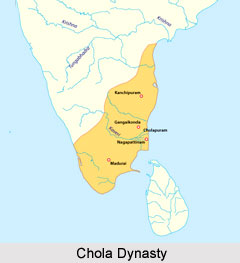
Chola Dynasty
Chola Dynasty is a Tamil dynasty and had longest duration of ruling in parts of South India. Chola dynasty had ruled South India successfully for a ex...
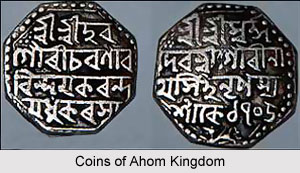
Suhungmung
Suhungmung was the fourteenth ruler of the Ahom dynasty who ruled from the period 1497 to 1539 AD. His reign was significant in terms of expansion of...
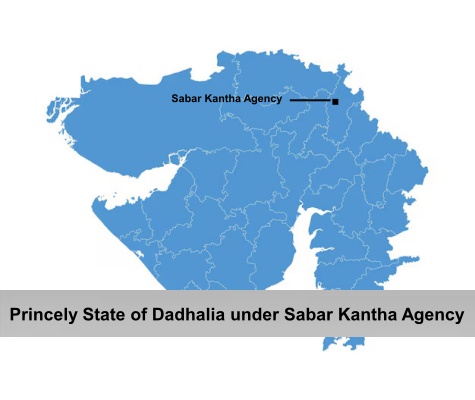
Princely State of Dadhalia
Princely State of Dadhalia was located in the present state of Gujarat. The state covered a total area of 28 sq miles and comprised of 15 villages. Th...
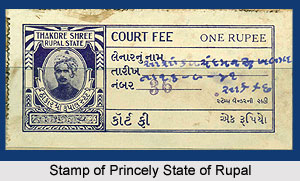
Princely State of Rupal
Princely State of Rupal was a part of the Baroda Agency, a sub division of Western India States Agency. It was under the administrative control of the...
Archaeological Sites of West Bengal
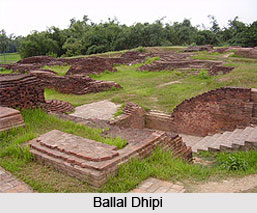
Archaeological sites of West Bengal reveal several aspects of ancient India. Excavations by the Archaeological Survey of India have furnished artefact...
Related articles in History of India

Mughal Architecture during Babur
Mughal architecture during Babur marked the foundation of a new architectural era in India, blending Timurid, Persian, and local influences. His reign...

Architecture during Sayyid and Lodi Dynasty
Architectures during the Sayyid and Lodi dynasty were mainly the tombs and monuments for the dead rulers. It were carefully designed and meticulously...

Brahmanical Sources of Ancient History
Brahmanical Sources of ancient history are contained in the Vedas and they constitute one of the most important literary sources of information about...

Coins of Chola Empire
Coins of Chola Empire were issued in gold, silver and copper and carried the Chola emblem.

Coins of Khilji Dynasty
Coins of Khilji Dynasty had an influential feature that was followed by the other dynasties.