
The nationalist uprising under Gandhiji`s leadership made giant strides forward in arousing the masses against imperialist stranglehold in the early 20th century. Thus the CPI suffered both from organizational and ideological articulation during the Gandhian era of the early 20th century. Due to the decisions adopted by Communist International of 1928, the CPI attacked the principles and ideologies of the Indian national Congress. At that time the Congress had boycotted the Simon Commission, adopted the resolution of Purna Swaraj and launched the Civil Disobedience Movement. The CPI sought to distract the popularity of the Congress in these circumstances. In the second phase of the Left Movement they attempted to project a triangular character of contest (a people`s struggle not only against the foreign imperialism but also against the Indian exploiters). It attacked the petty bourgeoisie nationalist leadership of Gandhiji. Gandhiji had been charged as the tool of imperialism and betraying the revolutionary struggle of the masses. It even condemned the Congress left wing as a counter Revolutionary force and a dangerous obstacle to the victory of Indian Nationalism. This tactical approach proved to be totally unrealistic and the Communists found themselves thrown adrift from the political mainstream.
Second Phase of Left Movement in India
In the second phase the left movement attacked the petty bourgeoisie nationalist leadership of Gandhiji.
Recently updated articles in History of India
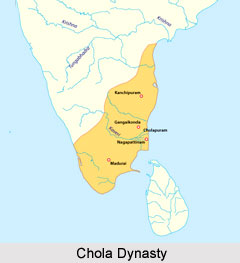
Chola Dynasty
Chola Dynasty is a Tamil dynasty and had longest duration of ruling in parts of South India. Chola dynasty had ruled South India successfully for a ex...
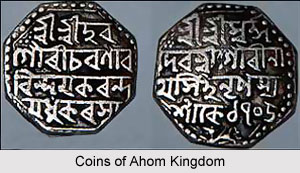
Suhungmung
Suhungmung was the fourteenth ruler of the Ahom dynasty who ruled from the period 1497 to 1539 AD. His reign was significant in terms of expansion of...
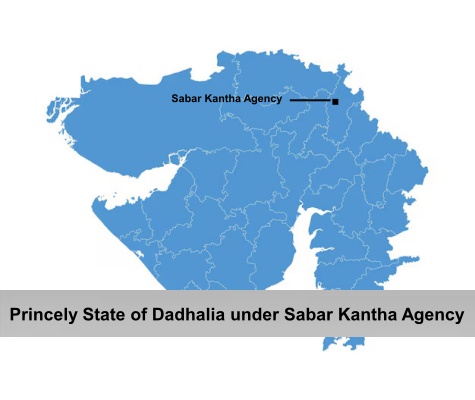
Princely State of Dadhalia
Princely State of Dadhalia was located in the present state of Gujarat. The state covered a total area of 28 sq miles and comprised of 15 villages. Th...
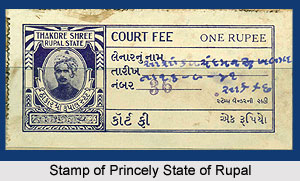
Princely State of Rupal
Princely State of Rupal was a part of the Baroda Agency, a sub division of Western India States Agency. It was under the administrative control of the...
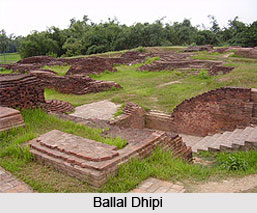
Archaeological Sites of West Bengal
Archaeological sites of West Bengal reveal several aspects of ancient India. Excavations by the Archaeological Survey of India have furnished artefact...
Related articles in History of India
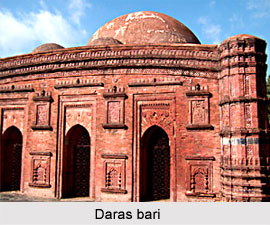
Mughal Architecture during Babur
Mughal architecture during Babur marked the foundation of a new architectural era in India, blending Timurid, Persian, and local influences. His reign...
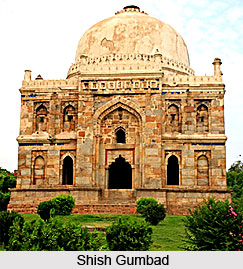
Architecture during Sayyid and Lodi Dynasty
Architectures during the Sayyid and Lodi dynasty were mainly the tombs and monuments for the dead rulers. It were carefully designed and meticulously...
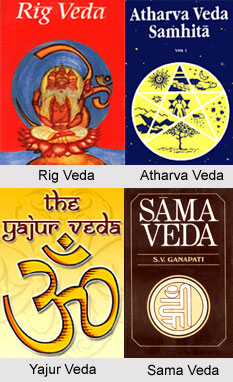
Brahmanical Sources of Ancient History
Brahmanical Sources of ancient history are contained in the Vedas and they constitute one of the most important literary sources of information about...
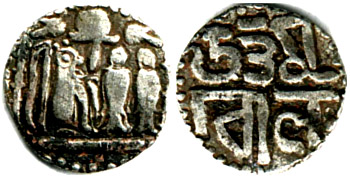
Coins of Chola Empire
Coins of Chola Empire were issued in gold, silver and copper and carried the Chola emblem.
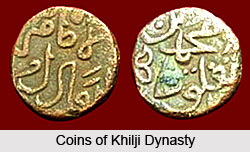
Coins of Khilji Dynasty
Coins of Khilji Dynasty had an influential feature that was followed by the other dynasties.