 Sanskrit literature constitutes an important part in the literature of the period of the Delhi Sultanate. The Hindu rulers of Gujarat, Warangal and the Vijayanagara Empire provided encouragement to Sanskrit literature. All sorts of works which include poetry, prose and drama among others were produced in Sanskrit and good works on philosophy and religious commentaries were written by different scholars. Thus extensive literature was produced in Sanskrit during this period.
Hammir Deva, Kumbha Karna, Prataprudra Deva, Basantraja, Vemabhubhala, Katya Vem, Virupakaya, Narsingh, Krisnadevaraya, Bhupal, and many other alike rulers patronised Sanskrit scholars and encouraged their writings and a few of them were themselves scholars. Agastaya was an eminent scholar at the court of Prataprudra Deva and wrote Prataprudradeva-Yasobhusan and Krishna-charita. Vidya Chakravartin who was at the court of Vir Ballal III wrote the Rukimani-Kalyan and Madhan who flourished at the court of Virupakya, the ruler of Vijayanagara wrote Narkasur Vijay. Vaman Bhatt Bana was a famous scholar of this age and wrote books in drama, prose and poetry. His one of the famous work was Parvati-Parinaya. Vidyapati was another great scholar who wrote Durgabhakti-tarangini besides many other works.
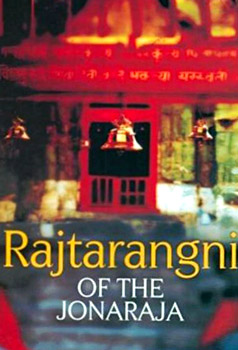
Vidyaranya was a well known scholar who wrote Sankar-Vijaya. Divakara, Kirtiraja and Srivara were other famous scholars of Sanskrit. The Jain scholar Nayachandra wrote Hammi-Kavya. King Virupakya wrote Narayan-vilas and Krishnadevaraya wrote Jambavati-Kalyan besides few others. The great Bhakti saint Ramanuja wrote commentaries on Brahmasutra, Parthasarathi wrote a number of books on Karma-Mimansa. Jayadeva produced his famous work Gita-Govinda, Jai Singh Suri wrote Hammir-Mad-Mardana and Gangadhar produced Gangadas Pratap Vilas. Kalhan the famous historian of Kashmir wrote Rajatarangini which was further completed by Jonaraja and Srivara in the second and the third Rajatarangini afterwards.
Many other works, besides these, were produced by different scholars, which prove that even without the protection of Muslim rulers, the Hindus persisted in their efforts to enrich Sanskrit literature.
This article is a stub. You can enrich by adding more information to it. Send your Write Up to content@indianetzone.com