
There are occasions which call for special rites in Jain Temples. The ritual works of Jainas contain numerous detailed precepts. The installation (Pratistha) of a Jina-idol requires extensive preparation. First the place where it is to be installed is to be cleaned in a wide area. Dirt lying around, excrement, bones, hair, nails, and teeth of living beings of all sorts are to be removed. Then an astrologically favourable time for the performance of the ceremony is to be fixed. If this is not possible, a moment has to be fixed in which all the heavenly bodies are favourable. Then the rites are to be performed which neutralize the influences of evil stars. Further all the ascetics and believers living in the surroundings are to he informed about the ceremony and to be suitably invited. The idol is cleaned before the beginning of pratistha and brought to the place where it is to be installed. All the necessary things like pots and utensils, water, herbs and other things are carried to the temple for the solemn ceremony. An altar is erected in the shrine, and benediction rites are performed in the house of the donor of the idol.
The dedication of the idol is done by an Acharya, a Pathaka, a Sadhu, a Jaina-Brahmana or a Ksullaka, but all these cannot perform the same ceremonies. The person conducting the ceremonies is called "Pratistha-Guru"; four "Snatrakaras" are supposed to help him.
The holy act begins with a cake called "Bhutabali" prepared from a Bakula-plant among other things being kept in the directions. The spirits of all sorts, Bhutas, Pretas, Pisachas, Gandharvas, Yaksas, Raksasas, Kinnaras, Vetalas, are requested to accept the offerings in the formulas which are uttered at that time. Then the Sasana-devatas and other deities are worshipped immediately after by reciting hymns and sayings, then the idol to be dedicated is washed with water which is mixed with all sorts of ingredients, anointed with consecrated sandal, decorated with garlands of flowers and consecrated by touching its individual parts. A big festival lasting for eight days follows the Puja with its different Mantras and offerings; the donor has to entertain the participants at a feast. The hospitality and the pomp shown on the occasion of the installation of the idol involves quite an expenditure, so that now only few persons are in a position to bear them, and the complete execution of all Pratistha-ceremonies and everything that goes with them is no more common these days as it was in the past.
Rites, like those for the installation of Jina-idols, take place at the consecration of statues of different deities, of the Yantras (plates with mystic symbols), of holy banners, etc.; even the dedication of the temple is done in a similar fashion.
On special occasions, flags with different emblems are hoisted for the purpose of the cult. The Adipurana mentions 10 types of flags; 108 pieces of every type, i.e. 4,320 flags were hoisted in each of the 4 directions in the honour of Risabha. This practice of "Palidhvajas" is common even today.
One of the types of worship of the Tirthankaras is the organization of a huge chariot-procession (Ratha Yatra). Such a procession should take place at least once in a year; but these Yatras have today lost much of their significance, which they had earlier when powerful kings were the followers of Jainism. In these festivals, the idols of the Tirthankaras, which were washed and anointed, were driven with a great pomp amidst jubilation of the people, on beautifully embellished shining chariots which were pulled by elephants and horses.
Rituals on Special Occasions in Jain Temples
Rituals on Special Occasions in Jain Temples are very different from one another. Various rituals are followed for those occasions which require extensive preparation.
Recently updated articles in Religion in India
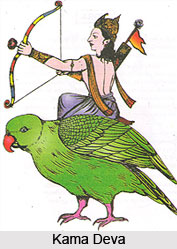
Kusumayudha
Kusumayudha is a name of Kamadeva, the Hindu God of Love. Depicted with a sugarcane bow and flower-tipped arrows, he represents attraction and longing...
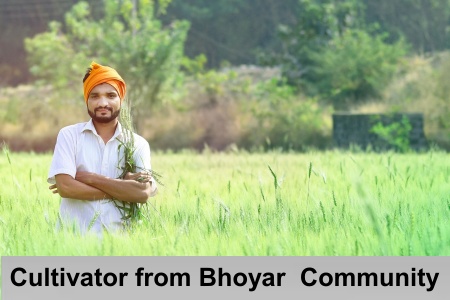
Bhoyar Caste
Bhoyar Caste is largely found in the Central Provinces of the country. Traditional occupation of Bhoyars is agriculture. They are good cultivators and...
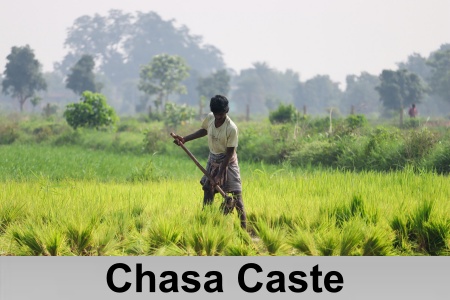
Chasa Caste
Chasa caste is a prominent agrarian community native to Odisha. Traditionally associated with cultivation and farming, Chasas have historically played...
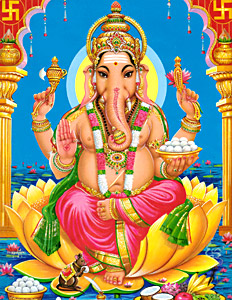
Vigneswara, A Form of Lord Ganesha
Lord Vigneswara is another form of Lord Ganesha or Vinayaka, prominently worshipped as the God of intelligence and good luck in the Indian subcontinen...
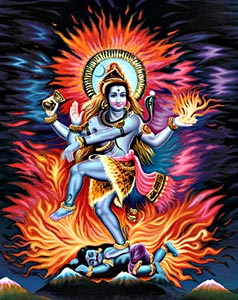
Maheswara
Maheswara, meaning “the Great Lord,” is a revered name of Lord Shiva in Hindu tradition. It represents Shiva’s supreme authority over creation, preser...
Related articles in Religion in India
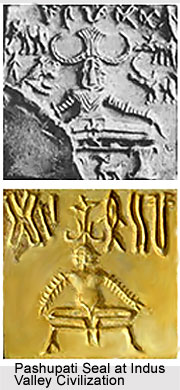
Religion in Indus Valley Civilization
Religion in Indus Valley Civilisation included Hinduism, Buddhism and Jainism. Details about the religion in Indus Valley Civilization have been gathe...
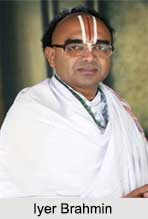
Iyer Brahmin
Iyer Brahmins are originally from Tamil Nadu of South India. They are known for their adherence to Advaita philosophy and Smarta traditions. Tradition...
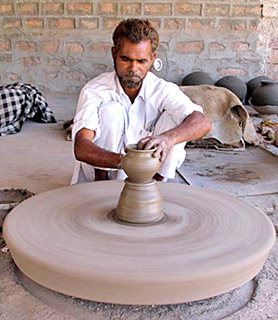
Kumbhakar / Kumhar Caste
Kumbhakar or Kumhar caste is a traditional artisan community in India known for pottery making. Derived from Sanskrit word Kumbhakar, meaning potter,...

Gujjars in Mughal Era
Gujjars in the Mughal era enjoyed great power. Further their power increased with the decline of Aurangzeb, Mughal emperor.
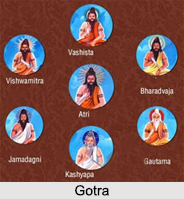
Gotra in Hinduism
In Hinduism, gotra refers to a lineage system tracing descent from ancient sages, primarily through the paternal line. Originating from Vedic traditio...