
Restoration of Peace in a Conquered Area, as included in chapter V of Book XIII in Arthashastra, mentions that there can three types of territories which includes a newly acquired land; one which is recovered and one which is inherited. In case of land which is conquered it shall include land in wild tracks and land in single villages. Having acquired the new territory, he should begin by covering his enemy`s vices with his own virtues; should be free to endow any number of rewards to the newly conquered people; he should try to adopt the same way of life as his people. He should make all efforts to provide security to the people and provide them with the minimum requirements of life. He should make provisions to relax the level of taxes and rules of imprisonment.
Restoration of Peace in a Conquered Area socially advises the conqueror to prohibit the slaughter of animals particularly the female breeds at a period of reproduction in the specific months which are mentioned in the Arthashastra. About those who can harm the conqueror should be sent to remote areas. Overall the conqueror should ensure utmost security of his people and those who intend to harm the peace should be sent to remoter areas.
Thus, Restoration of Peace in a Conquered Area ensures that the conqueror having recovered his lost area should get rid of those vices which made him loose his property and develop those virtues which made him win them again. He should further hide the vices of his ancestors and should develop only the virtues which shall change the quality of the enemy as well.
This article is a stub. You can enrich by adding more information to it. Send your Write Up to content@indianetzone.com
Restoration of Peace in a Conquered Area
Restoration of Peace in a Conquered Area mainly includes the administrative measures which the conqueror should follow after he has taken the possession of the land. Chapter V of Book XIII in Arthashastra enlists some of the duties which the conqueror is supposed to follow in order to restore peace.
Recently updated articles in History of India
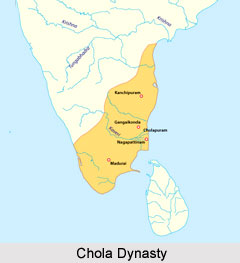
Chola Dynasty
Chola Dynasty is a Tamil dynasty and had longest duration of ruling in parts of South India. Chola dynasty had ruled South India successfully for a ex...
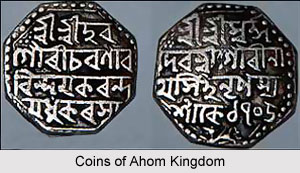
Suhungmung
Suhungmung was the fourteenth ruler of the Ahom dynasty who ruled from the period 1497 to 1539 AD. His reign was significant in terms of expansion of...
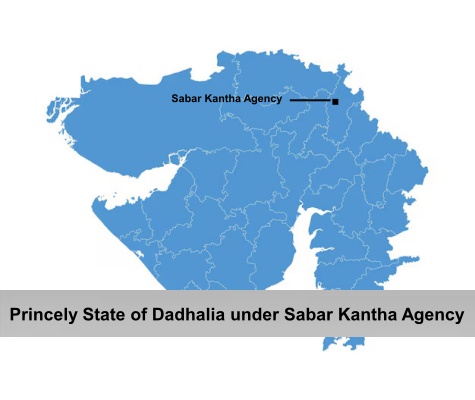
Princely State of Dadhalia
Princely State of Dadhalia was located in the present state of Gujarat. The state covered a total area of 28 sq miles and comprised of 15 villages. Th...
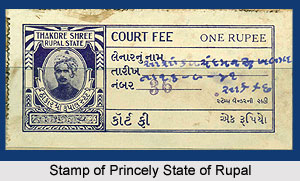
Princely State of Rupal
Princely State of Rupal was a part of the Baroda Agency, a sub division of Western India States Agency. It was under the administrative control of the...
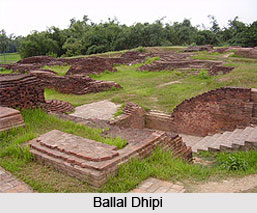
Archaeological Sites of West Bengal
Archaeological sites of West Bengal reveal several aspects of ancient India. Excavations by the Archaeological Survey of India have furnished artefact...
Related articles in History of India

Mughal Architecture during Babur
Mughal architecture during Babur marked the foundation of a new architectural era in India, blending Timurid, Persian, and local influences. His reign...

Architecture during Sayyid and Lodi Dynasty
Architectures during the Sayyid and Lodi dynasty were mainly the tombs and monuments for the dead rulers. It were carefully designed and meticulously...

Brahmanical Sources of Ancient History
Brahmanical Sources of ancient history are contained in the Vedas and they constitute one of the most important literary sources of information about...

Coins of Chola Empire
Coins of Chola Empire were issued in gold, silver and copper and carried the Chola emblem.

Coins of Khilji Dynasty
Coins of Khilji Dynasty had an influential feature that was followed by the other dynasties.