
From the very beginning freedom in religious thinking was prevalent in India. This led the people to remove the evils that had crept in the religion.
Distorted forms of Gods: In Vedic age, the Aryans worshipped the different powers of nature, gods etc. They used to consider them as their friends. In due course of time this concept changed and god was considered to be absolute, willful and controller of all the acts and action of human being. Thus the position of man became very low and humble before the god. It, therefore, became necessary for the religious reformers to aim reforms by having sympathy with man.
Religious Rigidity: The simplicity of the religion in Vedic age had become a thing of past. Religion had become very rigid. There were innumerable gods and goddesses and their worship had become showy and complicated, a reform was, therefore expedient to remedy this situation.
Burden of Ritualism: There were very elaborate and expensive rites and rituals had taken place of simplicity and purity of religion and philosophy of the Vedic age. Sometimes sixteen, or seventeen purohits were required for performance of a yajana which was not within the means of a common man. Sudras were completely prohibited from the study of Vedic literature and the performance of yajana. These were the reasons that created a sense of spiritual unrest and dissatisfaction among the people in the society.
Social evils: One of the main reasons of the religious revolution was the social evil, which had crept in the society due to deterioration of the caste system. This eventually had become hereditary. Brahmanas were exploiting the other castes and particularly the Sudras who were denied all rights and were treated very badly. Superstitions and other evils were increasing in the society. There was a widespread discontentment among the people as well.
Ethical degradation of Brahmanas: Degradation of brahmanas was one of the main causes of religious revolution. Brahmanas were now leading a life of comforts and luxury. They were becoming more and more materialistic. Their moral and ethical degradation had created discontent among the people.
Religious Upheaval in 6th Century India
There were a number of reasons for the religious revolution that occurred in the 6th century India.
Recently updated articles in History of India
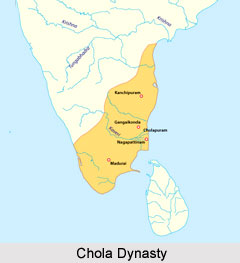
Chola Dynasty
Chola Dynasty is a Tamil dynasty and had longest duration of ruling in parts of South India. Chola dynasty had ruled South India successfully for a ex...
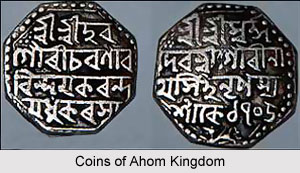
Suhungmung
Suhungmung was the fourteenth ruler of the Ahom dynasty who ruled from the period 1497 to 1539 AD. His reign was significant in terms of expansion of...
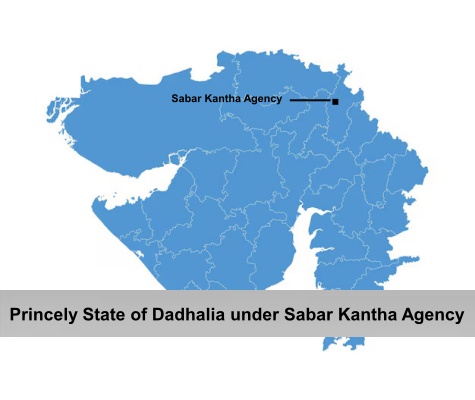
Princely State of Dadhalia
Princely State of Dadhalia was located in the present state of Gujarat. The state covered a total area of 28 sq miles and comprised of 15 villages. Th...
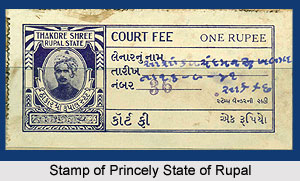
Princely State of Rupal
Princely State of Rupal was a part of the Baroda Agency, a sub division of Western India States Agency. It was under the administrative control of the...
Archaeological Sites of West Bengal
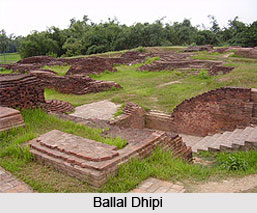
Archaeological sites of West Bengal reveal several aspects of ancient India. Excavations by the Archaeological Survey of India have furnished artefact...
Related articles in History of India

Mughal Architecture during Babur
Mughal architecture during Babur marked the foundation of a new architectural era in India, blending Timurid, Persian, and local influences. His reign...

Architecture during Sayyid and Lodi Dynasty
Architectures during the Sayyid and Lodi dynasty were mainly the tombs and monuments for the dead rulers. It were carefully designed and meticulously...

Brahmanical Sources of Ancient History
Brahmanical Sources of ancient history are contained in the Vedas and they constitute one of the most important literary sources of information about...

Coins of Chola Empire
Coins of Chola Empire were issued in gold, silver and copper and carried the Chola emblem.

Coins of Khilji Dynasty
Coins of Khilji Dynasty had an influential feature that was followed by the other dynasties.