
Regulation of Toll Dues as included in chapter XXII of Book II in Arthashastra, highlights the types of merchandise - external, internal or foreign; division of toll dues according to the quality; and process of collection by the officer-in-charge. Arthashastra mainly divides the merchandised goods into three categories; internal which in clued the items manufactured inside the fort; external which includes items arriving from countryside and foreign which includes items imported from foreign countries. All shall be liable to pay toll taxes the moment they pass the gates of the kingdom.
Regulations of toll dues clarify that the imported goods shall pay 1/5 of their values as toll dues. Of flowers, fruit, vegetables (saka), roots (mula), bulbous roots (kanda), pallikya, seeds, dried fish and dried meat, the superintendent shall receive 1/6th as toll. As regards conch shells, diamonds, precious stones, pearls, corals, and necklaces, experts acquainted with the time, cost, and finish of the production of such articles shall fix the amount of toll.
Regulation on toll dues then fixes toll on cloth as mentioned in Arthashastra which claims fibrous garments (kshauma), cotton cloths (dutula), silk (krimitana), mail armour(kankata), sulphuret of arsenic(haritala) red arsenic (manassila), vermilion (hinguluka), metals (loha), and colouring ingredients (varnadhgtu); of sandal, brown sandal (agaru), pungents (katuka), ferments (kinva), dress (avarana), and the like; of wine, ivory, skins, raw materials used in making fibrous or cotton garments, carpets, curtains (pravarana), and products yielded by worms (krimijata); and of wool and other products yielded by goats and sheep, he shall receive 1/10th or 1/15th as toll. Cloths (vastra), quadrupeds, bipeds, threads, cotton, scents, medicines, wood, bamboo, fibres (valkala), skins and clay pots; of grains, oils, sugar (kshara), salt, liquor (madya), cooked rice and the like, he shall receive 1/20th or 1/25th as toll.
Regulation on toll dues then fixes the rates of gate taxes which say gate dues (dvaradeya) shall be 1/5th of toll dues; this tax may be remitted if circumstances necessitate such favour. Commodities shall never be sold where they are grown or manufactured. When minerals and other commodities are purchased from mines, a fine of 600 panas shall be imposed. When flowers or fruits are purchased from flower or fruit gardens, a fine of 54 panas shall be imposed. When vegetables, toots, bulbous roots are purchased from vegetable gardens, a fine of 51 3/4th panas shall be imposed. When any kind of grass or grain is purchased from field, a fine of 53 panas shall be imposed. Permanent fines of 1 pana and 11/2 panas shall be levied on agricultural produce (sitatyayah).
Thus, categorically Arthashastra fixes separate toll rates for each item which add to the royal treasury. Under the supervision of Superintendent of tolls and his appointed officers these taxes will be submitted to the king and royal treasury.
Regulation of Toll Dues
Regulation of Toll Dues mainly includes classification, categorisation of goods and regulation of toll dues accordingly. Chapter XXII of Book II in Arthashastra deals with the regulation of toll dues according to the quality of merchandised materials.
Recently updated articles in History of India
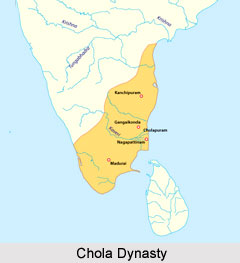
Chola Dynasty
Chola Dynasty is a Tamil dynasty and had longest duration of ruling in parts of South India. Chola dynasty had ruled South India successfully for a ex...
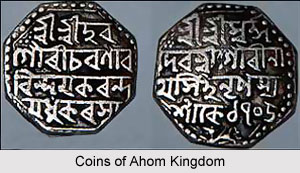
Suhungmung
Suhungmung was the fourteenth ruler of the Ahom dynasty who ruled from the period 1497 to 1539 AD. His reign was significant in terms of expansion of...
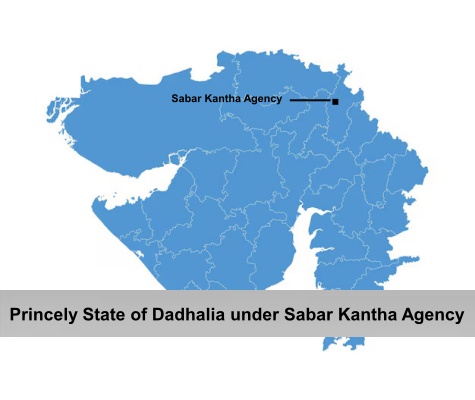
Princely State of Dadhalia
Princely State of Dadhalia was located in the present state of Gujarat. The state covered a total area of 28 sq miles and comprised of 15 villages. Th...
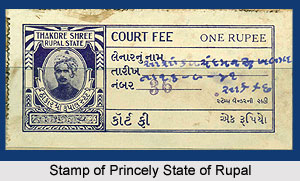
Princely State of Rupal
Princely State of Rupal was a part of the Baroda Agency, a sub division of Western India States Agency. It was under the administrative control of the...
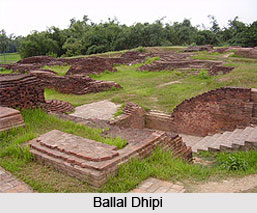
Archaeological Sites of West Bengal
Archaeological sites of West Bengal reveal several aspects of ancient India. Excavations by the Archaeological Survey of India have furnished artefact...
Related articles in History of India

Mughal Architecture during Babur
Mughal architecture during Babur marked the foundation of a new architectural era in India, blending Timurid, Persian, and local influences. His reign...

Architecture during Sayyid and Lodi Dynasty
Architectures during the Sayyid and Lodi dynasty were mainly the tombs and monuments for the dead rulers. It were carefully designed and meticulously...

Brahmanical Sources of Ancient History
Brahmanical Sources of ancient history are contained in the Vedas and they constitute one of the most important literary sources of information about...

Coins of Chola Empire
Coins of Chola Empire were issued in gold, silver and copper and carried the Chola emblem.

Coins of Khilji Dynasty
Coins of Khilji Dynasty had an influential feature that was followed by the other dynasties.