
Protection of the Army mentions in the Chapter II of book X in Arthashastra, that while marching through various ups and downs of the area, the army must be protected through the roughness faced due to harsh weather. It needs protection when it passes through vast dessert areas with no grasslands, and forests with difficult topography. In such conditions the conqueror should be watchful about the needs of his army.
Protection of the Army further entails that the conqueror should protect his army when it has to pass a long desert without water; when it is without grass, firewood and water; when it has to traverse a difficult road; when it is harassed by an enemy`s attacks ; when it is suffering from hunger and thirst after a journey; when it is ascending or descending a mountainous country full of mire, water-fools, rivers and cataracts; when it finds itself crowded in a narrow and difficult path; when it is halting, starting or eating; when it is tired from a long march; when it is sleepy; when it is suffering from a disease, pestilence of famine; when a great portion of its infantry, cavalry and elephants is diseased; when it is not sufficiently strong; or when it is under troubles. He should destroy the enemy`s army under such circumstances.
Protection of the Army further claims that when the enemy`s army is marching through a path traversable by a single man, the commander (of the invade, army) should ascertain its strength by estimating the quantity of foodstuffs, grass, bedding, and other requisites` fire pots (agninidhana), flags and weapons. He should also conceal those of his own army. Keeping a mountainous or river fortress with all its resources at his back in his own country, he should fight or put up his camp.
Thus, the Protection of the Army is the second important work of the conqueror who shall not only defeat his enemy but protect his own people.
Protection of the Army
Protection of the Army mainly includes the conditions under which the conqueror should protect his army from seen as well as unseen conditions. Chapter II of book X in Arthashastra lays down some of these conditions.
Recently updated articles in History of India
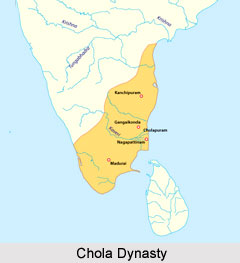
Chola Dynasty
Chola Dynasty is a Tamil dynasty and had longest duration of ruling in parts of South India. Chola dynasty had ruled South India successfully for a ex...
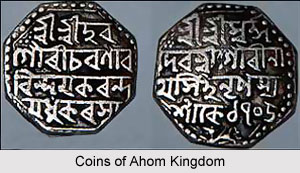
Suhungmung
Suhungmung was the fourteenth ruler of the Ahom dynasty who ruled from the period 1497 to 1539 AD. His reign was significant in terms of expansion of...
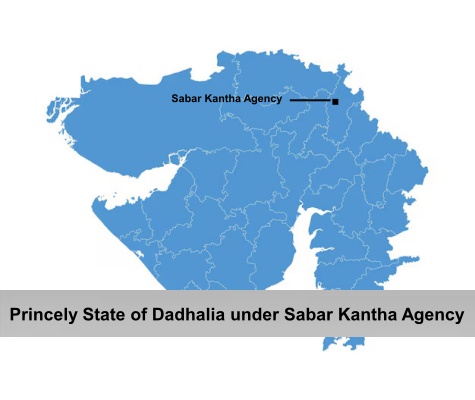
Princely State of Dadhalia
Princely State of Dadhalia was located in the present state of Gujarat. The state covered a total area of 28 sq miles and comprised of 15 villages. Th...
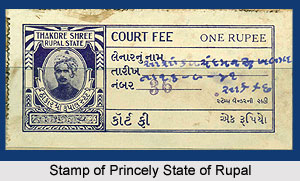
Princely State of Rupal
Princely State of Rupal was a part of the Baroda Agency, a sub division of Western India States Agency. It was under the administrative control of the...
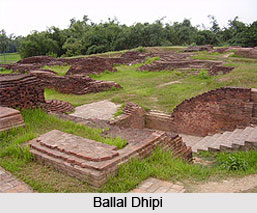
Archaeological Sites of West Bengal
Archaeological sites of West Bengal reveal several aspects of ancient India. Excavations by the Archaeological Survey of India have furnished artefact...
Related articles in History of India
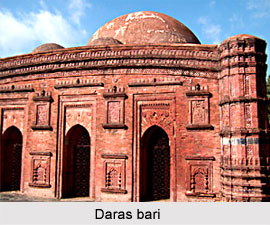
Mughal Architecture during Babur
Mughal architecture during Babur marked the foundation of a new architectural era in India, blending Timurid, Persian, and local influences. His reign...
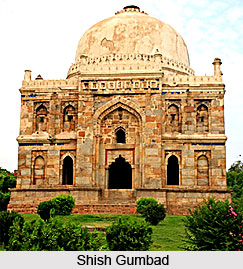
Architecture during Sayyid and Lodi Dynasty
Architectures during the Sayyid and Lodi dynasty were mainly the tombs and monuments for the dead rulers. It were carefully designed and meticulously...
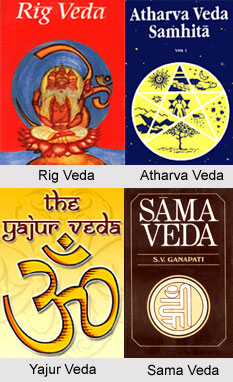
Brahmanical Sources of Ancient History
Brahmanical Sources of ancient history are contained in the Vedas and they constitute one of the most important literary sources of information about...
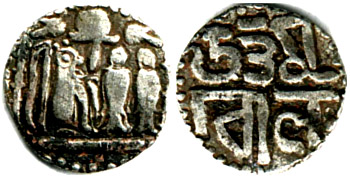
Coins of Chola Empire
Coins of Chola Empire were issued in gold, silver and copper and carried the Chola emblem.
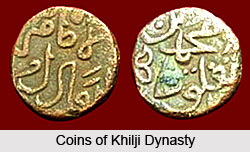
Coins of Khilji Dynasty
Coins of Khilji Dynasty had an influential feature that was followed by the other dynasties.