
One of the principal philosophies of Gorakhnathis is that the followers need to lead the life of an ascetic. Once the initiation in the order gets over, all the necessary steps of taking the vows or philosophy of Gorakhnathis are taken. The candidate takes the necessary vows over it, swearing not to engage in trade, not to take employment, not to keep dangerous weapons, not to become angry when abused, not to marry, and to protect his ears. Like all other ascetics he takes the vow of ahimsa (non-injury). Yogis vow not to engage in trade and not to take employment. They are supposed to beg for their food. But this is by no means the universal practice. It is estimated that one in one hundred begs; and at monasteries and at shrines where offerings and income are sufficient, the inmates do not have to go out to beg at all. Very often all that a Yogi may ask for is brought at once by willing devotees. Most of those who bring gifts are not immediate followers of the Yogis. Certain Yogis, called Darsanis, do not beg but remain in definite places, in the forest, at temples, in caves or at monasteries, where they are visited and worshipped. While away on pilgrimage, it may be necessary for a Yogi to beg, if food is not available, they eat fruit and roots; and in some instances, if food is not given them they mix ashes from the `dhuni` with water and drink it as a substitute.
As beggars they go from house to house crying, `Alakh, Alakh`, but they do not sing. Some put on special clothes when they go out to beg. Their food consists of millets, rice, vegetables, fruits, fowls, gout`s flesh, mutton, fish, beef and pork. But not every one accepts all these articles of diet. By some the cow is con-leered sacred and the pig unclean. Gorakhnathis are under a vow of celibacy. At Dhinodhar the rule is strictly enforced. It was reported in the year 1880 that women were not allowed to enter the precincts of the monastery. At Devi Patan and at Gorakhpur the rule is enforced that Aughars and Yogis are not allowed to marry! And probably at most monasteries of the Gorakhnathis celibacy is enforced. At the matha in Varanasi, however, the residents were (1924) married men who had their wives with them. And Kasinath, who attended the temple of Kal Bhairom (in Varanasi), lived in his own house in the city. It is possible that the rule of celibacy does not require absolute continence for, to cite one exception, Yogis acknowledge the practice of sakta rites.
Reports from various areas show that marriage is common amongst Kanphatas, and Census returns confirm this. The so-called secular Yogis are numerous. In some instances Brahmans are employed to perform their marriage ceremonies. Even in monasteries of repute the practice has been well known. While the regulation that Yogis who marry are not allowed in live in a monastery is not universally enforced, still, in many places grhastas are allowed neither to live at nor to eat in the monastery. In marriage, Yogis hold to the caste from which they have come, in choosing a wife, and avoid marriage in the same sub-sect. Yogis who marry are held in contempt by others, and, in some instances have to pay a fine before they are permitted to smoke with tributes. Married Yogis continue to wear the ear-rings, the sacred thread, the clothes and other articles of the sect, and they may continue to practise Yoga. In Various parts of India Yogis are engaged in weaving, cultivation, in peddling, as soldiers, and as money-lenders.
As per the vows or principles of the Gorakhnathis, the candidates willing to become yogis are required to serve their religious guide.
Philosophy of Gorakhnathis
Philosophy of Gorakhnathis suggests that the candidates who are interested in becoming yogis need to take the necessary pledges. They vow not to engage in any sort of employment.
Recently updated articles in Religion in India
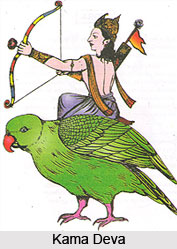
Kusumayudha
Kusumayudha is a name of Kamadeva, the Hindu God of Love. Depicted with a sugarcane bow and flower-tipped arrows, he represents attraction and longing...
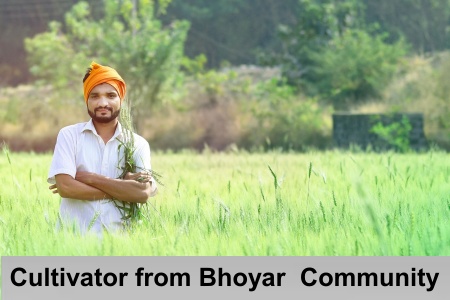
Bhoyar Caste
Bhoyar Caste is largely found in the Central Provinces of the country. Traditional occupation of Bhoyars is agriculture. They are good cultivators and...
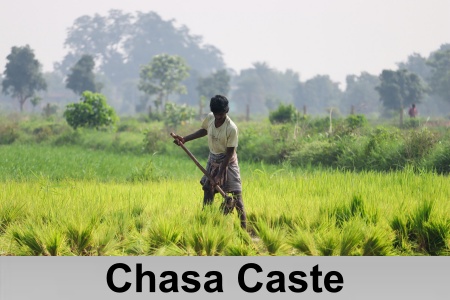
Chasa Caste
Chasa caste is a prominent agrarian community native to Odisha. Traditionally associated with cultivation and farming, Chasas have historically played...
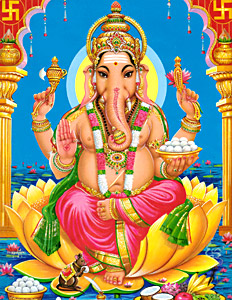
Vigneswara, A Form of Lord Ganesha
Lord Vigneswara is another form of Lord Ganesha or Vinayaka, prominently worshipped as the God of intelligence and good luck in the Indian subcontinen...
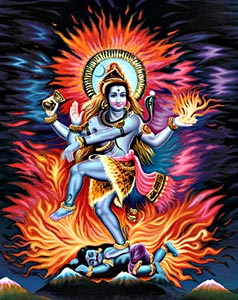
Maheswara
Maheswara, meaning “the Great Lord,” is a revered name of Lord Shiva in Hindu tradition. It represents Shiva’s supreme authority over creation, preser...
Related articles in Religion in India

Religion in Indus Valley Civilization
Religion in Indus Valley Civilisation included Hinduism, Buddhism and Jainism. Details about the religion in Indus Valley Civilization have been gathe...

Iyer Brahmin
Iyer Brahmins are originally from Tamil Nadu of South India. They are known for their adherence to Advaita philosophy and Smarta traditions. Tradition...

Kumbhakar / Kumhar Caste
Kumbhakar or Kumhar caste is a traditional artisan community in India known for pottery making. Derived from Sanskrit word Kumbhakar, meaning potter,...

Gujjars in Mughal Era
Gujjars in the Mughal era enjoyed great power. Further their power increased with the decline of Aurangzeb, Mughal emperor.

Gotra in Hinduism
In Hinduism, gotra refers to a lineage system tracing descent from ancient sages, primarily through the paternal line. Originating from Vedic traditio...