
Personal Safety of the King, after taking care of the kingdom, women, wives, prince and administration, has been the most vital part of Book I of Arthashastra. This includes all the precautions, as well as remedies in case the king is poisoned or attempted to murder. Arthashastra does not ignore the safety of the king as if the king is safe in the kingdom only then his people will remain secured.
This chapter begins with getting up from bed when he is attended by the women of harem as well as the personal servants of the king who shall attend to him and guide him for the day. While the king has been attended by these people in the first, second and third chamber, he then proceeds towards the fourth chamber where he is attended by the prime minister, kinsmen and door keepers with barbed missiles in their hand. Accompanied with bodyguards the king in a closed area is offered with delicious dishes of his choice Arthashastra points out that king bears maximum life risk while he is offered food which may contain poison in either rice or in other items. As such it depends on the colour of the food which is to be checked by the experts. Having checked the use of poison in king`s food, Arthashastra then lays down the remedies to cure the king and all his possessions from the use of poison and prepare the king for a second time for his meals.
Personal Safety of the King then lays down the royal punishment for the one who has done the mischief. Arthashastra advises the king to get into such waters which is free from large fishes, crocodiles and should barge into such forests which have made free of snakes; should always remain surrounded by the bodyguards and his assembly of ministers while interviewing the saints or while receiving the envoys. Whenever the king is supposed to go out or come in the capital, the road is supposed to be guarded by the soldiers and his staff people; no other unknown person with arms will be allowed.
Thus, all efforts are made to take care of the king in and outside his palace. The king is in general advised to always remain guarded and equipped with weapons for adverse situation.
Personal Safety of the King
Personal Safety of the King has been one of the major concerns of the authority which has been discussed in details within chapter XXI of Book I, Concerning Discipline in Arthashastra. This mainly alerts the prince regarding the methods with which the King can have a risk of life well within the premises of the fort where the king resides.
Recently updated articles in History of India
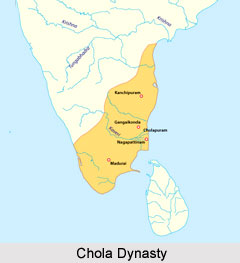
Chola Dynasty
Chola Dynasty is a Tamil dynasty and had longest duration of ruling in parts of South India. Chola dynasty had ruled South India successfully for a ex...
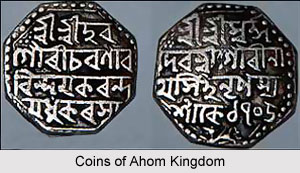
Suhungmung
Suhungmung was the fourteenth ruler of the Ahom dynasty who ruled from the period 1497 to 1539 AD. His reign was significant in terms of expansion of...
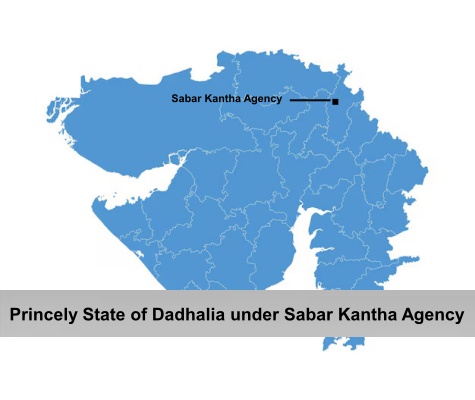
Princely State of Dadhalia
Princely State of Dadhalia was located in the present state of Gujarat. The state covered a total area of 28 sq miles and comprised of 15 villages. Th...
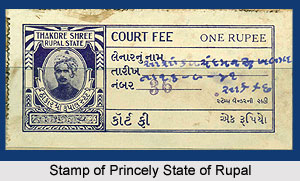
Princely State of Rupal
Princely State of Rupal was a part of the Baroda Agency, a sub division of Western India States Agency. It was under the administrative control of the...
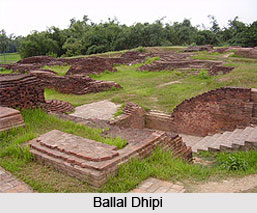
Archaeological Sites of West Bengal
Archaeological sites of West Bengal reveal several aspects of ancient India. Excavations by the Archaeological Survey of India have furnished artefact...
Related articles in History of India
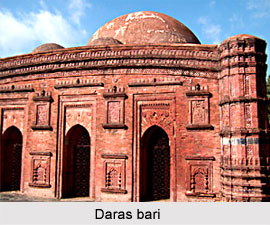
Mughal Architecture during Babur
Mughal architecture during Babur marked the foundation of a new architectural era in India, blending Timurid, Persian, and local influences. His reign...
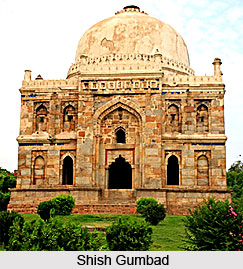
Architecture during Sayyid and Lodi Dynasty
Architectures during the Sayyid and Lodi dynasty were mainly the tombs and monuments for the dead rulers. It were carefully designed and meticulously...
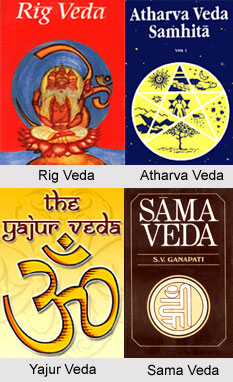
Brahmanical Sources of Ancient History
Brahmanical Sources of ancient history are contained in the Vedas and they constitute one of the most important literary sources of information about...
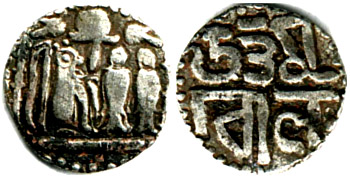
Coins of Chola Empire
Coins of Chola Empire were issued in gold, silver and copper and carried the Chola emblem.
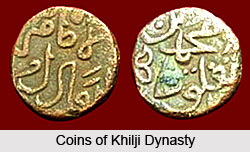
Coins of Khilji Dynasty
Coins of Khilji Dynasty had an influential feature that was followed by the other dynasties.