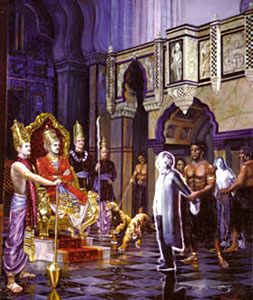
 In Hinduism Papa is the name of one of the Narakas or hell. The term papa or sin is used to portray the actions that create negative karma by violating moral and ethical codes.
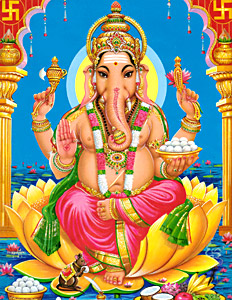
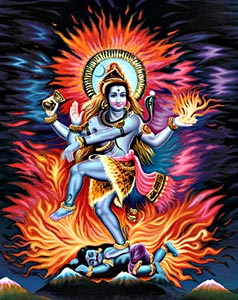
Hindus believe that reciting the name of Hari or Narayana or Shiva is the one of the ways to be away from sins. Enchanting the names of this Gods prevent rebirth and achieve moksha.
Satguru Sivaya Subramuniyaswami, a Shaivite guru elucidates in the glossary section of his book, dancing with Shiva, that sin is an intentional wrongdoing of divine law and is not viewed in Hinduism as a crime against God. Papa is an act against dharma, or moral order and one`s own self. Moreover, he remarks that it is thought natural, if unfortunate, that young souls act wrongly, for they are living in nescience, avidya, the darkness of ignorance.
Satguru Sivaya further states that sin in Hinduism is an adharmic path of
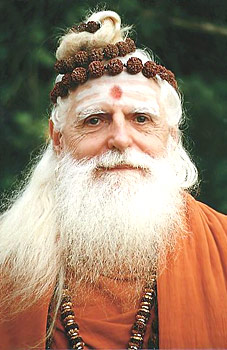 action, which automatically brings negative consequences. Again he clarifies that the term sin has double meaning in language, one, it means a wrongful act and the other is the negative consequence resulting from a wrongful act. In Sanskrit the wrongful act is known by several terms, including pataka, papa, enas, kilbisha, adharma, anrita and rina.
Satguru Sivaya Subramuniyaswami further notes that in Hinduism, except for Dvaita school of Shri Madhvacharya, there are no such concepts of innate or mortal sin, according to some theologies, which he defined as sins so grave that they can never be expiated and which cause the soul to be condemned to suffer eternally in hell.
There are three stages of ethical practices according to Hindu philosophy. First is the Sattva which means purity, clarity, and healthy calmness, this is the life of devotion practiced by Saints. Then is the life lead by the Rajas, which is a life of activity that consists of action, change, passion, excitement, creation and generation. Last is the Tamas that signifies life of indifference that is practised by asuras/demons. This is the life of darkness, death, destruction, ignorance, laziness and inactivity. After leading this life one is sent to the Papa, one of the Naraka.