
Panchatattva in Tantra include wine (Madya), meat (Mamsa), fish (Matsya), parched cereal (Mudra) and sexual union (Maithuna). Since these elements begin with the letter M they are also called Panchamakara. These five elements stand for drinking, eating and transmission that destroy great sins. However Panchatattvas mean differently according to the usage in context of respective Sadhanas.
The first element in Panchatattva is wine. Wine could be wine; or may be coconut water or may be the exciting knowledge of Brahman. Wine denotes the Supreme, eternal Bliss of Yoga knowledge. The union of Siva and Sakti in the thousand-petalled lotus is Maithuna. Mamsa is the act by which the aspirant sanctifies all his actions to the Lord.
Matsya is that Satvik knowledge through which the Sadhaka sympathizes with everybody`s pleasure and pain. Mudra is the abandoning of all associations with evil which leads to burden.
The substitutes for wine are milk, ghee and honey. The substitutes for meat are salt, ginger, sesame, white beans and garlic. The substitutes for fish are white brinjal; red radish, masoor and red sesame. Paddy, rice, wheat and grain are Mudra. The substitute for Maithuna is offering of flowers with the hands formed with a particular Mudra.
All the elements are purified and sanctified and with the appropriate ritual the first four elements are consumed which is followed by the last element or its equivalent. The Tantra does not allow indiscriminate use of the elements which may be consumed only after purification and during worship according to the ritual. Without the Panchatattva in any form, no Shakti Puja can be performed. Mother of the Universe must be worshipped with these five elements. Wine signifies the power which produces all fiery elements; meat and fish indicates all terrestrial and aquatic animals; Mudra all vegetable life and Maithuna the will, action and knowledge of the Supreme Prakriti.
This article is a stub. You can enrich by adding more information to it. Send your Write Up to content@indianetzone.com.
Panchatattva
Panchatattva is a part of Sadhana and indispensable for the worship of Shakti. Tantra mentions five elements as Panchatattvas.
Recently updated articles in Religion in India
Bhoyar Caste
Bhoyar Caste is largely found in the Central Provinces of the country. Traditional occupation of Bhoyars is agriculture. They are good cultivators and...
Chasa Caste
Chasa caste is a prominent agrarian community native to Odisha. Traditionally associated with cultivation and farming, Chasas have historically played...
Vigneswara, A Form of Lord Ganesha
Lord Vigneswara is another form of Lord Ganesha or Vinayaka, prominently worshipped as the God of intelligence and good luck in the Indian subcontinen...
Maheswara
Maheswara, meaning “the Great Lord,” is a revered name of Lord Shiva in Hindu tradition. It represents Shiva’s supreme authority over creation, preser...
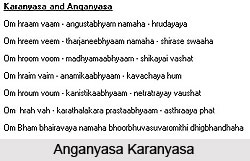
Anganyasa and Karanyasa
Anganyasa and Karanyasa are preparatory rituals in Hindu worship that sanctify the body and hands through the recitation of sacred mantras and symboli...
Related articles in Religion in India
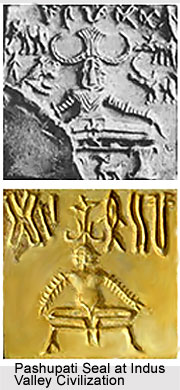
Religion in Indus Valley Civilization
Religion in Indus Valley Civilisation included Hinduism, Buddhism and Jainism. Details about the religion in Indus Valley Civilization have been gathe...
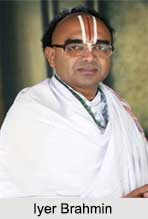
Iyer Brahmin
Iyer Brahmins are originally from Tamil Nadu of South India. They are known for their adherence to Advaita philosophy and Smarta traditions. Tradition...
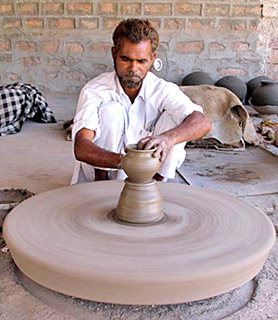
Kumbhakar / Kumhar Caste
Kumbhakar or Kumhar caste is a traditional artisan community in India known for pottery making. Derived from Sanskrit word Kumbhakar, meaning potter,...

Gujjars in Mughal Era
Gujjars in the Mughal era enjoyed great power. Further their power increased with the decline of Aurangzeb, Mughal emperor.
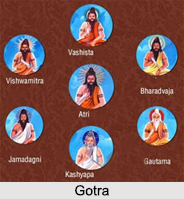
Gotra in Hinduism
In Hinduism, gotra refers to a lineage system tracing descent from ancient sages, primarily through the paternal line. Originating from Vedic traditio...