
Pallippadai was a memorial shrine or temple built over the ruins of kings and princes of the Chola period of South India. During the Chola period, most of the temples and the chief icons in them were named after the ruling kings who set up them.
Sometimes, the worships performed to the idols were after the living monarchs. These temples used to get royal patronages even after their demise. There was a religious group named Devaraja i, e, `God king` during the Chola period in South India, who were very popular at that time. They used to build funereal temples over the remains of kings and princes and it was evident from the inscriptions available in the Pallippadai.
Some of the examples of Pallippadai are those at Tondamanad constructed by the Adityeswara in the memory of his father Aditya Chola I, the Arinjigai-Isvara at Melpadi built by Rajaraja I. Similarly, in the memory of Arinjaya who died at Arrur, and the Panchavanma-devisvara in Ramanathan Koyil, Rajendra I built Pallippadai.
When many such temples were renovated in the later period, human bones were found under the sanctum sanctorum (garbhagriha). Afterwards, this pallipadai started to get disapproval of the people. It is evident from the fact that the term pallipadai was tried to erase from the inscription at Ramanathan Koyil.
Pallippadai
Pallippadai was a memorial shrine or temple built over the ruins of kings and princes of the Chola period.
Recently updated articles in Temples of India
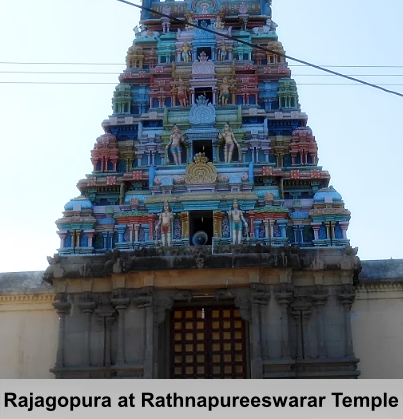
Rathnapureeswarar Temple
Rathnapureeswarar Temple in Tiruvarur district, Tamil Nadu, is a revered Shaivite shrine among the Paadal Petra Sthalams. Dedicated to Lord Shiva, it...

Gayatri Temple, Sirmaur
Gayatri Temple is located in Sirmaur district, Himachal Pradesh. Gayatri Temple is a sacred shrine that belongs to the medieval age.
Thousand Pillars Temple
Thousand Pillars Temple, Andhra Pradesh possesses 1000 pillars built by the Kakatiya ruler Rudra Deva during 1163 AD and is adorned with beautiful scu...
Triloknath Temple, Mandi District
Triloknath Temple is built in the Shikhara style of architecture, situated in Mandi, HP.

Shiv Temple at Mooni, Jammu & Kashmir
Ideally seated at the Billawar taluk of Kathua, Shiv Temple is a holy shrine.
Related articles in Temples of India
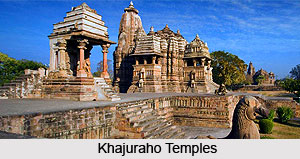
Khajuraho Temples
Khajuraho Temples are known the world over for their beauty and architectural construction. This group of temples is situated in the central Indian st...
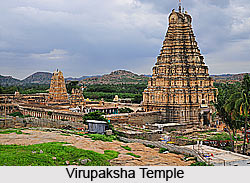
Temples In Hampi
Temples in Hampi are the manifestations of rich religious beliefs and architectural and sculptural abundance.
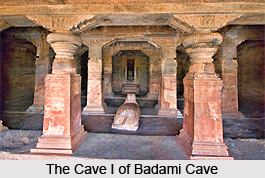
Badami Cave Temples
The Badami Cave Temples, an exemplary production of Indian architecture, are situated in the town of Badami.
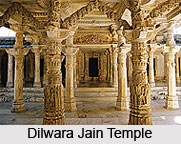
Temple Architecture During Rajput Period
Temple architecture during the Rajput period was inclined to the aspect of Bhakti. Rajput kings encouraged this art which is reflected in the grandeur...
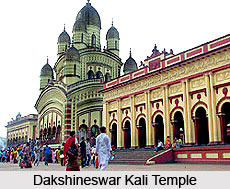
Medieval Temples of India
Medieval temples of India vary from each other due to the style and architecture. The impact of the prevalent kingdom is prominent in the style of bui...