
In the ancient Vedic literature it can be found that there are several references regarding the origin of varnas. The purushasukta of the Rig-veda has made reference regarding the four orders of society. The names of these four orders are given as Brahman, Rajanya, Vaishya and Shudra. They are said to have come from the mouth, the arms, the thigh, and the feet of the creator. Similar, the taittiriya samhita ascribes the origin of those classes to the four limbs of the creator. Amongst these four classes the Brahmanas have been regarded superior because they were created from the mouth. The rajanyas are vigorous because they were created from the arms. Similarly, the Vaishyas and shudras inherit the characteristics of their respective places of origin.
In the Mahabharata, it can be found that the theory of divine origin of varnas has been given a very important place. According to Mahabharata, Brahmins were created from the mouth of the creator while kshatryas were created from his arms. The vaishyas were created from his thigh and the shudra from his feet as well. These four orders of society have been referred as Varna. Similarly, according to manu-smiriti the four orders of society were created from the four limbs of the creator. These varnas have been assigned different duties and occupations. According to the Geeta the four-fold order is based on quality and action.
Origin of varnas
Originally varnas were delegated to people grounded on their ability and qualities.
Recently updated articles in Religion in India
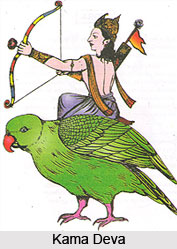
Kusumayudha
Kusumayudha is a name of Kamadeva, the Hindu God of Love. Depicted with a sugarcane bow and flower-tipped arrows, he represents attraction and longing...

Bhoyar Caste
Bhoyar Caste is largely found in the Central Provinces of the country. Traditional occupation of Bhoyars is agriculture. They are good cultivators and...
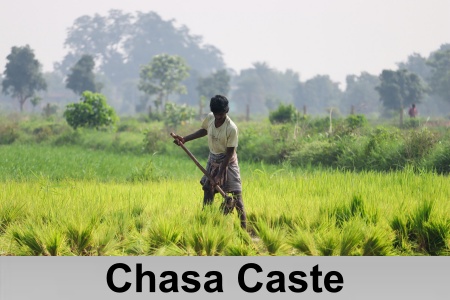
Chasa Caste
Chasa caste is a prominent agrarian community native to Odisha. Traditionally associated with cultivation and farming, Chasas have historically played...
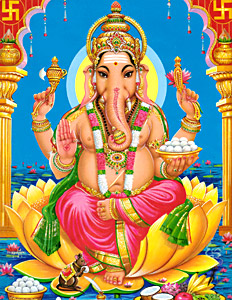
Vigneswara, A Form of Lord Ganesha
Lord Vigneswara is another form of Lord Ganesha or Vinayaka, prominently worshipped as the God of intelligence and good luck in the Indian subcontinen...
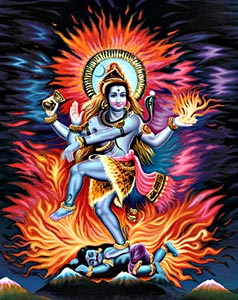
Maheswara
Maheswara, meaning “the Great Lord,” is a revered name of Lord Shiva in Hindu tradition. It represents Shiva’s supreme authority over creation, preser...
Related articles in Religion in India

Religion in Indus Valley Civilization
Religion in Indus Valley Civilisation included Hinduism, Buddhism and Jainism. Details about the religion in Indus Valley Civilization have been gathe...

Iyer Brahmin
Iyer Brahmins are originally from Tamil Nadu of South India. They are known for their adherence to Advaita philosophy and Smarta traditions. Tradition...

Kumbhakar / Kumhar Caste
Kumbhakar or Kumhar caste is a traditional artisan community in India known for pottery making. Derived from Sanskrit word Kumbhakar, meaning potter,...

Gujjars in Mughal Era
Gujjars in the Mughal era enjoyed great power. Further their power increased with the decline of Aurangzeb, Mughal emperor.

Gotra in Hinduism
In Hinduism, gotra refers to a lineage system tracing descent from ancient sages, primarily through the paternal line. Originating from Vedic traditio...