
The Ordeal is the Hindu judicial practice which the guilt or innocence of the accused is determined by subjecting them to a painful task. If the ordeal is completed without injury, or the injuries sustained are healed quickly, the accused is considered innocent.
The Ordeals are mainly of four main kinds. They are the ordeals by the balance, by fire, by water, and by poison.
The ordeal by fire was the most familiar among the gods. The Supreme Power is represented as having often had recourse to it to establish the truth of dubious facts.
The seasons are fixed for performing the trial by ordeal and various solemn ceremonies on the occasion. The Brahmans are designated to perform these duties. The person who is to pass through the ordeal must prepare for toy fasts and ablutions, physical cleanliness.
There are also a number of private ordeals, which do not require so much solemnity. They are, compelling the suspected person to sink his arm to the elbow into a vase filled with boiling oil, with which cow-dung has been mixed in order to increase its fervor. Again a snake or a cobra Copeella is kept in a basket, into which a ring or a piece of money is cast, and the accused compelled to fetch the ring or a piece of money after having been blindfolded.
If in the first instance, the person does not experience the effects of the boiling oil, and if he is not bitten by the snake in the second, he is reputed as not being guilty and vice versa if the reverse happens.
The ordeals are returned to in dubious cases, not only by public magistrates, but also oftener by private persons, to ascertain a fact, which interests them. A housekeeper, or the chief of a village in the houses of which any article of value has been stolen, will frequently compel the inhabitants to undergo the ordeal, in order to find out the thief. Jealous husbands often have alternative to it in order to ascertain the virtue of their wives.
These ordeals have sometimes the advantage of threatening and frightening the persons against whom they are directed, who, when they perceive they cannot escape them, confess their guilt. However this advantage is far from compensating for the real and serious evils, which in most cases result from them, by causing the condemnation of innocent persons.
Ordeal
It is Hindu judicial practice in which the guilt or innocence of the accused is determined by subjecting.
Recently updated articles in Religion in India

Kusumayudha
Kusumayudha is a name of Kamadeva, the Hindu God of Love. Depicted with a sugarcane bow and flower-tipped arrows, he represents attraction and longing...
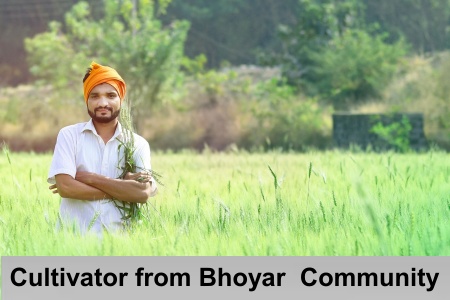
Bhoyar Caste
Bhoyar Caste is largely found in the Central Provinces of the country. Traditional occupation of Bhoyars is agriculture. They are good cultivators and...
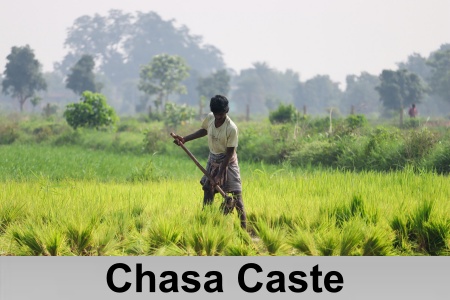
Chasa Caste
Chasa caste is a prominent agrarian community native to Odisha. Traditionally associated with cultivation and farming, Chasas have historically played...
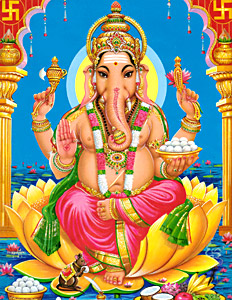
Vigneswara, A Form of Lord Ganesha
Lord Vigneswara is another form of Lord Ganesha or Vinayaka, prominently worshipped as the God of intelligence and good luck in the Indian subcontinen...
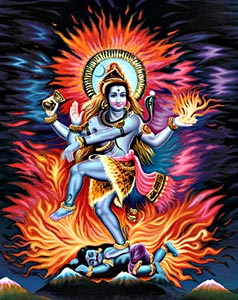
Maheswara
Maheswara, meaning “the Great Lord,” is a revered name of Lord Shiva in Hindu tradition. It represents Shiva’s supreme authority over creation, preser...
Related articles in Religion in India
Religion in Indus Valley Civilization
Religion in Indus Valley Civilisation included Hinduism, Buddhism and Jainism. Details about the religion in Indus Valley Civilization have been gathe...
Iyer Brahmin
Iyer Brahmins are originally from Tamil Nadu of South India. They are known for their adherence to Advaita philosophy and Smarta traditions. Tradition...
Kumbhakar / Kumhar Caste
Kumbhakar or Kumhar caste is a traditional artisan community in India known for pottery making. Derived from Sanskrit word Kumbhakar, meaning potter,...

Gujjars in Mughal Era
Gujjars in the Mughal era enjoyed great power. Further their power increased with the decline of Aurangzeb, Mughal emperor.
Gotra in Hinduism
In Hinduism, gotra refers to a lineage system tracing descent from ancient sages, primarily through the paternal line. Originating from Vedic traditio...