 Nutritional studies in British India had come off as a rather forced move. Nutritional study was then the need of the hour as due to a terrible financial crisis during the two World Wars, Indian plebeian population was deeply affected. As a result mortality rate rose up drastically, the few surviving grossly undernourished and unfed. In order to mend and cure malnutritioned and sick people and people ravaged in war nutritional study in the then India was given an immense importance and called for emergency nutritional measures by the government. Hence nutritional researches started being conducted by British researchers.
In the years of 1876-78, during the Madras famine, Sir Richard Temple (1826-1902) and W. R. Cornish (1828-1897), Sanitary Commissioner for Madras, conducted a heated debate on the amount and types of nutrition needed by an adult per day as a famine relief measure. Temple stood for one pound of grain per day, while Cornish recommended twenty-four ounces of grain supplemented by vegetables, condiments and some meat. In the end the Government of Madras decided in Cornish`s favour.
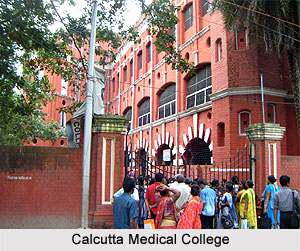
As a protective measure towards nutritional studies in British India, in 1912, D. McCay (1873-1948), Professor of Physiology at the Calcutta Medical College, published his Investigations into the Jail Dietaries of the United Provinces. His study examined the body`s ability to use nutrients from various foodstuffs. His work set new standards for Jail diets and was viewed as the first scientific study of nutrition in India. It was to be regularly cited by other specialists over the next thirty years.
In 1921, Robert McCarrison (1878-1960) published his Studies in Deficiency Disease. This marked one of the first steps in medically examining malnutrition in India.
This article is a stub. You can enrich by adding more information to it. Send your Write Up to content@indianetzone.com