
Non performance of Agreement has been mainly directed to locate discrepancies which can mislead a state administration. Arthashastra takes an account of such violations in case of non performance of agreement, blocking of roads, settling in villages, and the role of the headman of a village in chapter X of Book III in Arthashastra under which it notifies that fines shall be imposed on those who shall violate the laws specified by respective superintendents.
Non performance of Agreement shall levy tax on those cultivators who has arrived at the village for work but is found not working. He shall have to refund not only double the amount of the wages which he received against the promise to work but also double the value of food and drinks with which he has been provided. In the work of sacrificial performances as well he shall have to pay double the amount of his wage. It also specifies that anyone who refuses to cooperate in the work of preparation of public performance shall, along with his family, forfeit his right to enjoy the show. Similarly anyone who refuses to cooperate in preparing a public play or refuses to participate in any activity for the social benefit shall be compelled to pay double the amount of the aid which has been promised to him. If disobedience is found in any of these performances shall be liable to pay double the amount of their wages. If the offender is a Brahman or even of superior class shall be punished first. Similar shall be in case of non performance of agreement in the countries, castes, families and assemblies. Those who with combined effort intend to create something of social benefit shall receive concessions from the king.
Similarly the state, as mentioned in the chapter X of Book II in Arthashastra, shall levy taxes on those who shall engage in creating blockage of roads with unauthorised constructions. Those who create obstructions on the roads going towards the dronamukha or the gates going towards the forests, burial grounds, forests, fortresses well as the highways, shall be punished with heavy taxes.
Thus, non performance of agreement mainly intends to include all the violation in the payment of taxes which usually surpasses the collector general who is in charge of collecting taxes. This step has been mainly initiated to introduce better administration.
Non-Performance of Agreements
Non-Performance of Agreement mainly specifies the tax levied on those who visit the village with a promise to work but is not found to work. Such persons shall be answerable to the state for the non performance of agreement under which he occupies a space in the village. Chapter X of Book III in Arthashastra describes such situations in which there is negligence of commitment towards the agreement.
Recently updated articles in History of India
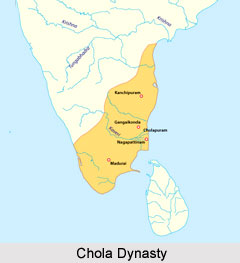
Chola Dynasty
Chola Dynasty is a Tamil dynasty and had longest duration of ruling in parts of South India. Chola dynasty had ruled South India successfully for a ex...
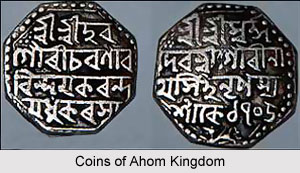
Suhungmung
Suhungmung was the fourteenth ruler of the Ahom dynasty who ruled from the period 1497 to 1539 AD. His reign was significant in terms of expansion of...
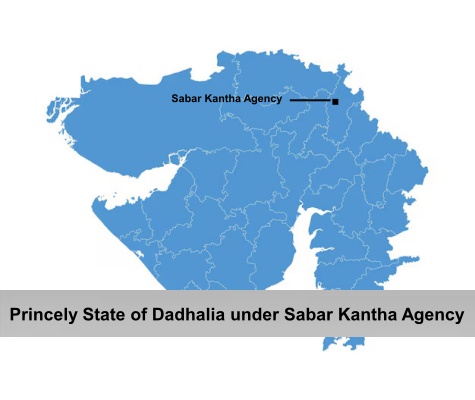
Princely State of Dadhalia
Princely State of Dadhalia was located in the present state of Gujarat. The state covered a total area of 28 sq miles and comprised of 15 villages. Th...
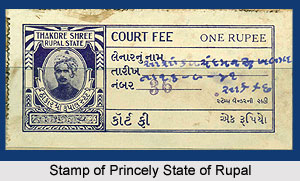
Princely State of Rupal
Princely State of Rupal was a part of the Baroda Agency, a sub division of Western India States Agency. It was under the administrative control of the...
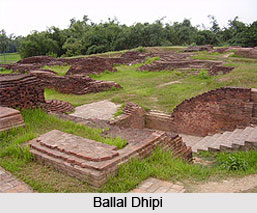
Archaeological Sites of West Bengal
Archaeological sites of West Bengal reveal several aspects of ancient India. Excavations by the Archaeological Survey of India have furnished artefact...
Related articles in History of India
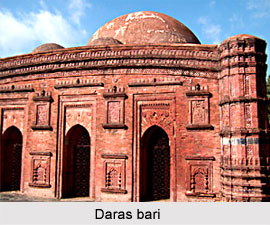
Mughal Architecture during Babur
Mughal architecture during Babur marked the foundation of a new architectural era in India, blending Timurid, Persian, and local influences. His reign...
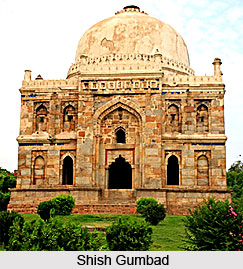
Architecture during Sayyid and Lodi Dynasty
Architectures during the Sayyid and Lodi dynasty were mainly the tombs and monuments for the dead rulers. It were carefully designed and meticulously...

Brahmanical Sources of Ancient History
Brahmanical Sources of ancient history are contained in the Vedas and they constitute one of the most important literary sources of information about...
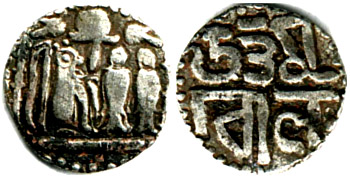
Coins of Chola Empire
Coins of Chola Empire were issued in gold, silver and copper and carried the Chola emblem.
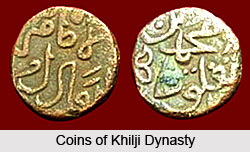
Coins of Khilji Dynasty
Coins of Khilji Dynasty had an influential feature that was followed by the other dynasties.