
As per Hindu mythology, Niyama is mentioned as the Son of Dharma. Niyama`s mother was one of the daughters of the sage Daksha.
Niyama is again said to be a form of yoga. Niyama is mentioned in the many scriptures like the Shandilya and Varuha Upanishads, Hatha Yoga Pradipika by Gorakshanatha, the Tirumantiram of Tirumular and the Yoga Sutras of Patanjali. There are ten Niyamas of the Hindus, they are:
•Hri which means remorse, being modest and showing shame for misdeeds;
• Another Niyama is the Santosha which means contentment; being satisfied with the resources at hand - therefore not desiring more
• Then is the Dana which signifies giving, without the thought of reward
• Astikya is a Niyama which implies faith, believing firmly in the teacher, the teachings and the path to enlightenment
• Ishvarapujana means worship of the Lord, the cultivation of devotion through daily worship and meditation, the return to the source
• Another form of Niyama is the Siddhanta shravana which means scriptural listening, studying the teachings and listening to the wise of one`s lineage
• Mati means cognition, developing a spiritual will and intellect with the guru`s guidance;
• Vrata is a sacred vows, fulfilling religious vows, rules and observances faithfully;
• Japa is another form of Niyama which means recitation, chanting mantras daily;
• Tapas is the endurance of the opposites; hunger and thirst, heat and cold, standing and sitting etc.
Niyama is described as the second limb of the eight limbs of Raja Yoga in Patanjali`s Yoga Sutras. Here Shaucha is said to be in the traditional codification. This item is listed under Yamas and word means purity. Next is the Santosha, implying contentment. Then are the Tapas, which are austerity. Svadhyaya is a form of Niyama signifying self-study or study of spiritual scriptures. Lastly is the Ishvarapranidhana, which means self-surrender.
Niyama, Son of Dharma
Niyama was a son of Dharma by one of the daughters of Daksha.
Recently updated articles in Religion in India
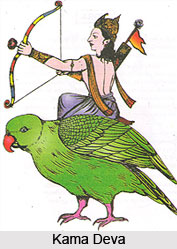
Kusumayudha
Kusumayudha is a name of Kamadeva, the Hindu God of Love. Depicted with a sugarcane bow and flower-tipped arrows, he represents attraction and longing...
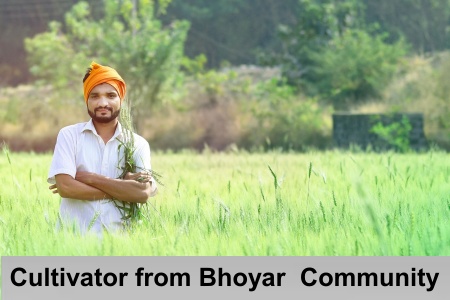
Bhoyar Caste
Bhoyar Caste is largely found in the Central Provinces of the country. Traditional occupation of Bhoyars is agriculture. They are good cultivators and...
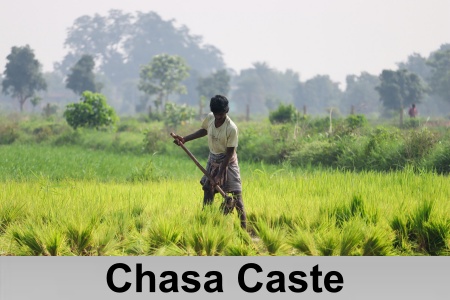
Chasa Caste
Chasa caste is a prominent agrarian community native to Odisha. Traditionally associated with cultivation and farming, Chasas have historically played...
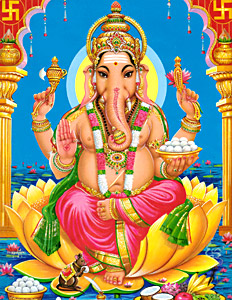
Vigneswara, A Form of Lord Ganesha
Lord Vigneswara is another form of Lord Ganesha or Vinayaka, prominently worshipped as the God of intelligence and good luck in the Indian subcontinen...
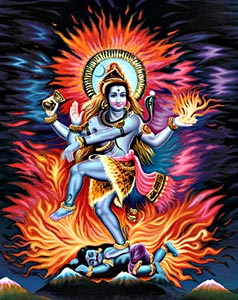
Maheswara
Maheswara, meaning “the Great Lord,” is a revered name of Lord Shiva in Hindu tradition. It represents Shiva’s supreme authority over creation, preser...
Related articles in Religion in India
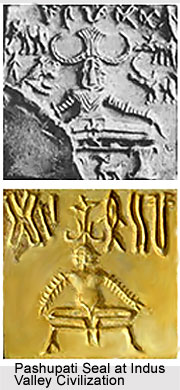
Religion in Indus Valley Civilization
Religion in Indus Valley Civilisation included Hinduism, Buddhism and Jainism. Details about the religion in Indus Valley Civilization have been gathe...
Iyer Brahmin
Iyer Brahmins are originally from Tamil Nadu of South India. They are known for their adherence to Advaita philosophy and Smarta traditions. Tradition...
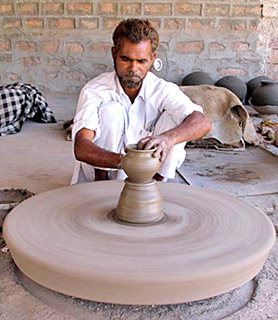
Kumbhakar / Kumhar Caste
Kumbhakar or Kumhar caste is a traditional artisan community in India known for pottery making. Derived from Sanskrit word Kumbhakar, meaning potter,...

Gujjars in Mughal Era
Gujjars in the Mughal era enjoyed great power. Further their power increased with the decline of Aurangzeb, Mughal emperor.
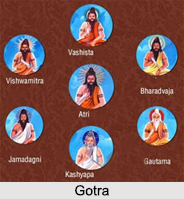
Gotra in Hinduism
In Hinduism, gotra refers to a lineage system tracing descent from ancient sages, primarily through the paternal line. Originating from Vedic traditio...