
Nijoga Organisation is a kind of association which is organized among each category of sebakas. The word Nijoga is derived from Nijukta which means appointment in some work. The main objective of this association is to get done all the traditional rituals and services in the proper manner. The five Nijogas that were present in the ancient times for Seba Puja were Daitapati Sebaka Nijoga, Acharaya Sebaka Nijoga, Brahma Sebaka Nijoga, Puspalak Sebaka Nijoga, Mahanayaka Sebaka Nijoga.
The members of the Nijoga were exclusively devoted to the worship of Lord Jagannath and had nothing to do with matters concerning the society, community and pilgrimage. These Nijogas went on performing their respective functions for a long time. In the meantime the ideals of Jagannath cult spread far and wide and as a result the volume of pilgrimage to Puri increased.
The idea of organizing Nijoga in each of the sebaka groups was to give independence to each sebaka group in discharging its services. In addition to this objective the organization of Nijoga helped integration of different services and in bringing about a sense of discipline and coordination among the sebakas. The basic function of a Nijoga is to see that all the sebas are performed regularly following tradition and usages. In addition to this main function the Nijoga ensures timely performances of the services. Besides these functions the Nijoga keeps a record of the turns of services of the Sebakas. The Nijoga collects a portion of dues from each sebaka and raises a common fund which is utilised in emergencies. If any sebaka is invalidated and unable to perform his services the Nijoga makes necessary arrangements for getting his services performed by appointing some one in his place.
Every Nijoga is composed of three categories of members: (1) Naik, (2) Bhaipua and (3) Bhagari. While the Naik is the traditional organizer of the Nijoga, the Bhaipuas are active members and Bhagaries are potential members of the Nijoga. The Nijogas are basically meant for monitoring and organizing the services in the temple. The Nijoga maintains a record of the amount of Khei, which is to be paid to each sebaka in lieu of his service in the temple. It collects a portion of the Khei of different sebakas and the sale proceeds of these contributions are deposited in community fund of the Nijoga.
The Nijogas have not only controlling capacity in respect of distribution among the sebakas of Khei and other kinds of payments, but they have also supervisory capacity in matters related to the testing of knowledge of the future sebakas in the techniques of worship and performance of services in the temple. The Naiks of the Nijogas put the candidates to test and recommend to the Raja whether or not they are fit to perform the services in the temple. The Naiks go round the temple and observe how effectively the new sebakas are performing their respective rituals and services.
Nijoga Organisation
Nijoga Organisation is the coming together of a group of a particular category of the sebakas of the Jagannath Temple of Puri. Each Nijoga Organisation has a lot of responsibilities with regard to the functioning of the daily activities of the temple.
Recently updated articles in Temples of India
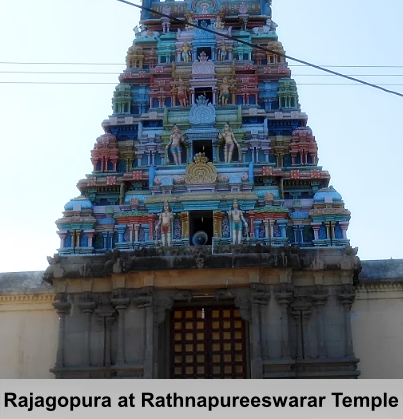
Rathnapureeswarar Temple
Rathnapureeswarar Temple in Tiruvarur district, Tamil Nadu, is a revered Shaivite shrine among the Paadal Petra Sthalams. Dedicated to Lord Shiva, it...
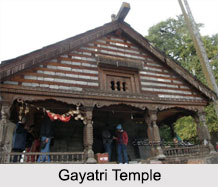
Gayatri Temple, Sirmaur
Gayatri Temple is located in Sirmaur district, Himachal Pradesh. Gayatri Temple is a sacred shrine that belongs to the medieval age.
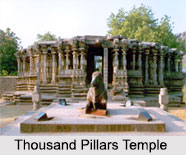
Thousand Pillars Temple
Thousand Pillars Temple, Andhra Pradesh possesses 1000 pillars built by the Kakatiya ruler Rudra Deva during 1163 AD and is adorned with beautiful scu...
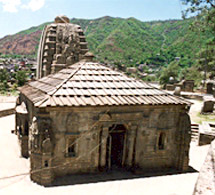
Triloknath Temple, Mandi District
Triloknath Temple is built in the Shikhara style of architecture, situated in Mandi, HP.

Shiv Temple at Mooni, Jammu & Kashmir
Ideally seated at the Billawar taluk of Kathua, Shiv Temple is a holy shrine.
Related articles in Temples of India
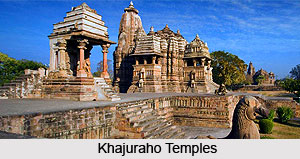
Khajuraho Temples
Khajuraho Temples are known the world over for their beauty and architectural construction. This group of temples is situated in the central Indian st...
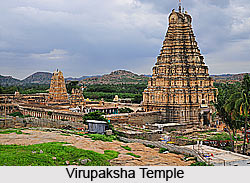
Temples In Hampi
Temples in Hampi are the manifestations of rich religious beliefs and architectural and sculptural abundance.
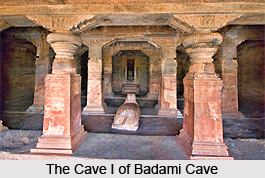
Badami Cave Temples
The Badami Cave Temples, an exemplary production of Indian architecture, are situated in the town of Badami.
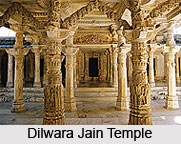
Temple Architecture During Rajput Period
Temple architecture during the Rajput period was inclined to the aspect of Bhakti. Rajput kings encouraged this art which is reflected in the grandeur...
Medieval Temples of India
Medieval temples of India vary from each other due to the style and architecture. The impact of the prevalent kingdom is prominent in the style of bui...