
Neutrality after Proclaiming War, as mentioned in Chapter IV of Book VII in Arthashastra, specifies the situation when after proclaiming to war and fighting for some time the rulers realise the negative impact of war which shall ruin both without any positive results. As such both decide to come to some kind of compromise and agree to neutrality within them. Arthashastra lays down three aspects of neutrality which includes keeping quite (sthana), withdrawal from hostility (asana) and negligence (upekshana) which form the synonyms for asana or neutrality. While keeping quite means maintaining a particular kind of policy under which the ruler decides to observe silence; withdrawal from hostility for one`s own sake is the second type of neutrality called asana; and taking no step against the enemy is the third step of neutrality which is known as upekshana.
Neutrality after Proclaiming War observes three conditions during which a king can choose to remain silent and observe sthana. Firstly, when two kings who are bent upon making conquests on each other, are desirous of peace and are unable to go against each other anymore may choose to remain silent or keep quiet and observe the position of sthana. Secondly when a superior king finds it possible to put down another king`s army possibly the enemy king`s army either with the help of his own army or with the help of neighbouring king`s army, then again he may choose to remain quite; and thirdly when the king is confident about the strength of his own army, and his own subjects who are brave, united, prosperous, and are able to carry not only their own work without any interference but also harass his enemy`s work; the king may decide to remain quiet after proclaiming war. Again if the king finds his army to be ill treated, impoverished and greedy, and are ever being oppressed by the inroads of army, thieves and wild life, then in order to protect his people he may choose to remain silent. Also Arthashastra lays down some more conditions like suffering from famine or forced to get involved with intrigues, in such conditions the king may choose to remain silent.
Thus, Kautilya suggests that neutrality is one such step which is always preferable till it provides productive ends with unfavourable conditions. As soon as the king regains his power by observing neutrality for some time then he shall wage a war against his enemy. The policy of neutrality does not prohibit a king from waging war ever in future rather it is only a temporary step for some time.
Neutrality after Proclaiming War
Neutrality after Proclaiming War which forms chapter IV of book VII in Arthashastra, gives a definition of the position ‘neutrality’ after the proclamation of war which allows two kings who, though bent on making conquests, are desirous to maintain peace. Chapter IV of Book VII in Arthashastra lays down some of the conditions under which the two warring rulers can come to a settlement which shall be beneficial for both.
Recently updated articles in History of India
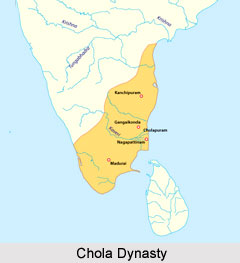
Chola Dynasty
Chola Dynasty is a Tamil dynasty and had longest duration of ruling in parts of South India. Chola dynasty had ruled South India successfully for a ex...
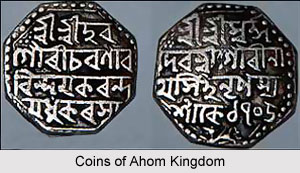
Suhungmung
Suhungmung was the fourteenth ruler of the Ahom dynasty who ruled from the period 1497 to 1539 AD. His reign was significant in terms of expansion of...
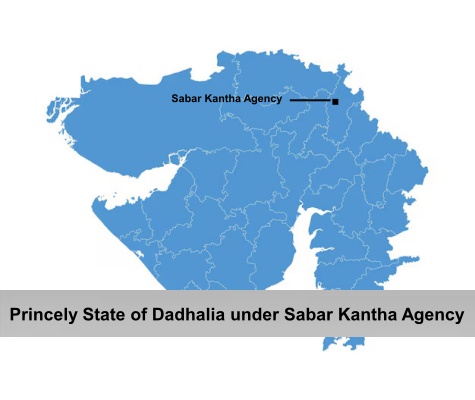
Princely State of Dadhalia
Princely State of Dadhalia was located in the present state of Gujarat. The state covered a total area of 28 sq miles and comprised of 15 villages. Th...
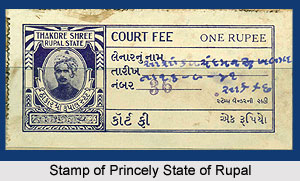
Princely State of Rupal
Princely State of Rupal was a part of the Baroda Agency, a sub division of Western India States Agency. It was under the administrative control of the...
Archaeological Sites of West Bengal
Archaeological sites of West Bengal reveal several aspects of ancient India. Excavations by the Archaeological Survey of India have furnished artefact...
Related articles in History of India

Mughal Architecture during Babur
Mughal architecture during Babur marked the foundation of a new architectural era in India, blending Timurid, Persian, and local influences. His reign...

Architecture during Sayyid and Lodi Dynasty
Architectures during the Sayyid and Lodi dynasty were mainly the tombs and monuments for the dead rulers. It were carefully designed and meticulously...

Brahmanical Sources of Ancient History
Brahmanical Sources of ancient history are contained in the Vedas and they constitute one of the most important literary sources of information about...

Coins of Chola Empire
Coins of Chola Empire were issued in gold, silver and copper and carried the Chola emblem.

Coins of Khilji Dynasty
Coins of Khilji Dynasty had an influential feature that was followed by the other dynasties.