
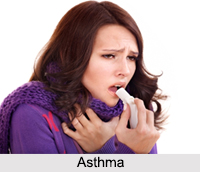
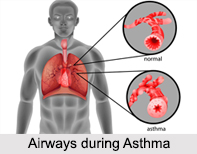
 Asthma is an allergic disease that inflames and narrows the airways in the lungs. It causes periodic attacks of wheezing and difficult breathing. An asthma attack occurs when the airways become inflamed in response to a trigger, such as dust, mold, pets, exercise or cold weather. The latter may inflame the airways to the lungs, and the mucous membrane covering the walls becomes swollen with fluid allowing disease-fighting cells to accumulate and causing swelling in the lungs. For this, the airways become blocked or obstructed when the muscles surrounding the lungs tighten or go into spasm. Due to the blockage, air cannot flow in and out of the lungs freely and a whistling or wheezing sound may be heard. Such attacks can be mild, moderate or severe, and can last for a few minutes, a few hours or several days.
Asthma
Asthma is one of the allergic diseases that affect the lungs and the airways that deliver air to the lungs.
Introduction
Asthma is an allergic disease that inflames and narrows the airways in the lungs. It causes periodic attacks of wheezing and difficult breathing. An asthma attack occurs when the airways become inflamed in response to a trigger, such as dust, mold, pets, exercise or cold weather. The latter may inflame the airways to the lungs, and the mucous membrane covering the walls becomes swollen with fluid allowing disease-fighting cells to accumulate and causing swelling in the lungs. For this, the airways become blocked or obstructed when the muscles surrounding the lungs tighten or go into spasm. Due to the blockage, air cannot flow in and out of the lungs freely and a whistling or wheezing sound may be heard. Such attacks can be mild, moderate or severe, and can last for a few minutes, a few hours or several days.Symptoms of Asthma
Causes of Asthma
The main causes of Asthma are the digestive disorders. If the food is not digested properly, it produces toxic juices in the system and causes obstructions in the respiratory tract resulting in the state of breathlessness. If the parents have been the patients of Asthma their children may also develop this disease. Sometimes the effect of climate or some other disorders can also become the cause of Asthma. Certain triggers can make inflammation in the airways worse.
Attack of Asthma
An acute aggravation of asthma is commonly referred to as an asthma attack. The onset of asthma may be sudden, with a sense of constriction in the chest, breathing becomes difficult, and wheezing occurs. During very severe asthma attacks, an asthma sufferer can turn blue from lack of oxygen and can experience chest pain or even loss of consciousness. Just before loss of consciousness, there is a chance that the patient will start to feel numbness in the limbs and palms and may also start to sweat. The person"s feet may become icy cold. Severe asthma attacks, which may not be responsive to standard treatments are life threatening and may lead to respiratory arrest and death.
Diagnosis of Asthma
In several cases, a physician can diagnose asthma depending on typical findings in a patient`s clinical history and examination. Asthma is strongly suspected if a patient suffers from eczema or other allergic conditions or has a family history of asthma. Diagnosis in children is based on a careful compilation and analysis of the patient"s medical history and subsequent improvement with an inhaled bronchodilator medication. In case of adults, diagnosis can be made with a peak flow meter, which tests airway restriction, checking both the diurnal variation and any reversibility following inhaled bronchodilator medication.
Bronchial Asthma or Tomaka Shvasa
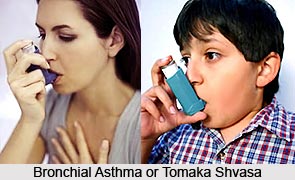 Bronchial asthma is known as Tomaka Shvasa in Ayurveda. In the present days with increasing levels of pollution and the stressful lifestyle followed by people, bronchila asthma is a common term. It is present in many people`s life.
The word `asthma` is derived from a Greek word which means `panting` or `laboured breathing`. Asthma is a condition characterized by a paroxysmal wheezing dyspnoea i.e. difficulty in breathing, mainly expiratory.
Causes and Symptoms
Bronchial asthma is supposed to originate from troubles of the stomach and the gastro-intestinal tract. That is why in the preliminary stage of the disease or just before its onset, the patient complains of indigestion, constipation, or diarrhoea. The attack of asthma may come without warning because of the hypersensitivity of the patient to certain substances like pollen, dust, emissions from certain animals like dogs and cats, certain foods to which the person is allergic and, most important, certain bacteria. Asthma is characterized by difficulty in breathing, a sense of tightness, constriction around the chest, and a wheezing noise as the breath is expelled. The small bronchial tubes which connect with the lungs are constricted due to swelling or accumulation of viscid phlegm in the main bronchi, hence the difficulty in inspiration and expiration.
The attack of asthma comes on in the early morning when the patient suddenly wakes up with a feeling of apprehension and alarm. He sits up as the breathing suddenly becomes impossible in a recumbent position. He may rush to open the window as it becomes difficult to breathe in a closed room. The attack may last for a few hours or a few days before it subsides. In the early stages of the disease, the patient feels normal after the attack. It is only when it becomes chronic that he acquires a typical asthmatic looking i.e. a pale face and an emaciated body.
Treatment of Asthma
 Treatment of Asthma can be done by nature cure. The first option is usually diet. The patient of Asthma should find out the measures to cleanse the bowel and respiratory tract by fasting for about 1 to 2 days and gradually come to liquid and fruit diet. Regular warm water enema may be taken daily during fast. Thereafter, normal diet consisting of whole wheat bread and bottle gourd vegetable may be taken. Cold and heavy meal should be avoided and the dinner should be very light, honey can also be taken. Warm water should be used for drinking purposes especially with the meals. With water treatments, like Hipbath, hot footbath and Chest pack give considerable relief to the Asthma patients. In the state of attack hot footbath gives immediate relief. Magnetic Therapy and Aromatherapy are also effective methods of treatment in asthma. Unbelievable results can be achieved in the treatment of asthma through the application of magnets.
Natural Remedy for Asthma
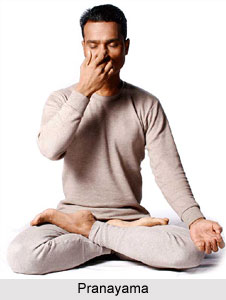 Natural way to treat asthma involves stimulating the functioning of relaxed excretory organs, adopting proper diet patterns to remove morbid matter and renovate the body. Practicing yoga asanas, yogic kriyas and Pranayama is also necessary to allow proper assimilation of food and to strengthen the lungs, digestive system and circulatory organs.
The patient should be given an enema to clean the colon and prevent auto-intoxication.
Natural way to treat asthma involves stimulating the functioning of relaxed excretory organs, adopting proper diet patterns to remove morbid matter and renovate the body. Practicing yoga asanas, yogic kriyas and Pranayama is also necessary to allow proper assimilation of food and to strengthen the lungs, digestive system and circulatory organs.
The patient should be given an enema to clean the colon and prevent auto-intoxication.
Mud-packs applied to the abdomen will ease the fermentation caused by undigested food and will promote intestinal peristalsis. Wet packs should be applied to the chest to lessen the congestion of the lungs and strengthen them. The patient should be made to perspire through steam bath, hot foot bath, hot hip bath and sun bath. This will stimulate the skin and relieve congested lungs.
The patient should fast for a few days on lemon juice with honey and thereafter resort to a fruit juice diet to nurture the system and remove the toxins. Gradually, solid foods can be included in the diet. Ideally diet should contain a limited quantity of carbohydrates, fats and proteins which are acid-forming foods, and a liberal quantity of alkaline foods consisting of fresh fruits, green vegetables and germinated gram. Foods which tend to produce phelgm such as rice, sugar, lentils and curds as also fried and other difficult- to- digest foods should be avoided. Breakfast may consist of prunes, orange or berries or a few black raisins with honey. Lunch and dinner should consist of a salad of raw vegetables such as cucumber, lettuce, tomato, carrot and beets, one or two lightly cooked green vegetables and wheat bread.
 Asthmatics should always eat less than their capacity. They should eat slowly, chewing their food properly. They should drink eight to ten glasses of water a day, but should avoid taking water or any liquid with meals. Spices, chillies and pickles, too much tea and coffee should also be avoided. Asthma, particularly when the attack is severe, tends to destroy the appetite. In such cases, the patient should be kept on fast till the attack is over. Honey is considered highly advantageous in the treatment of asthma. Honey usually brings respite whether the air flowing over it is inhaled or whether it is eaten or taken either in milk or water. Another successful remedy for asthma is garlic. Turmeric is also regarded as an effective remedy for bronchial asthma. The patient should be given a teaspoonful of turmeric powder with a glass of milk two or three times on a daily basis.
During the attack, mustard oil mixed with little camphor should be massaged over the back of the chest. This will loosen up phelgm and ease breathing. The patient should also inhale steam from the boiling water with caraway seeds, known as ajwain in the vernacular. It will dilate the bronchial passage. The patient should also follow the other laws of nature. Regular fasting once a week, an occasional enema, breathing exercises, fresh air, dry climate, light exercises and a correct posture go a long way in treating the disease. The patient should perform yogic kriyas such as jalneti, vamandhouti and yogic asanas such as ekpaduttanasana, yogamudra, sarvangasana, padmasana, bhujangasana, dhanurasana, vakrasana, ardha matsyendrasana, salabhasan, paschimottanasana and shavasana. Pranayamas like kapalbhati, anuloma-viloma, ujjayi, suryabhedana and bhramari are also highly beneficial.
Yoga and Asthma
Yoga asanas, breathing, and relaxation techniques controls the mind of the patient, thus, comforting his emotions, making him more relaxed and allowing him to breathe easier. This will also help the lungs work better and enhance airflow during Asthma attacks. Yoga also purifies the breathing process. Due to airflow obstruction, stale air builds up in lungs, less space for fresh air and in turn less oxygen for the body. Similarly, stale air builds up in lungs, carbon dioxide is not removed from body and toxic level increases.
Kriyas in Yoga is a thorough cleansing process. Jalneti cleans the nasal passage and facilitate free flow of air. Kapalbhati massages the facial muscles and opens tiny outlets on the skin for sweating. Yoga asanas like stretching and contraction during exercises makes lungs and other muscles strong. Pranayama is the deep and rhythmic breathing that multiplies the efficiency of respiratory system. Stress is one of the major factors for asthma. Nispandabhava and savasana helps to reduce the stress level. Yoga helps to develop positive attitude.
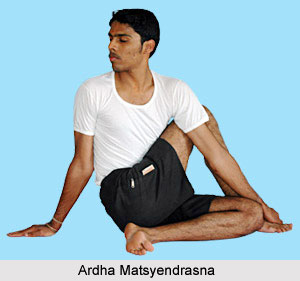 There are some particular Yoga postures that help the patient feel better and take control over Asthma and Bronchitis. However, these exercises should be practiced along with proper medication and the doctor`s recommendation. The seated pose of Sukhasana is one of the classic Meditative Asanas and is usually performed after doing the Corpse Pose. The Easy Pose helps in straightening the spine, slowing down metabolism, promoting inner tranquility, and keeping the mind still, which indirectly keeps the respiratory tracts, remain clear. Shoulder Lifts are the warming up poses of Yoga asana that look into curing the tension in the necks and shoulders, leading to stiffness, bad posture, and tension headaches. Yoga practice can ease Asthma by healing tension, increasing flexibility, and toning the muscles. Twist Yoga Poses like Ardha Matsyendrasana lengthens and strengthens the spine. Besides, the Asthma patients, this asana is also apt for liver, kidneys, as well as adrenal glands.
Amongst the supine poses of Yoga asana, the wind relieving pose or Pavana Muktasana helps the Asthma patients to eliminate excess gas in the stomach. Pavanamuktasana comes from the Sanskrit word `pavana` which means air or wind and `mukta` which means freedom or release. The Wind Relieving Pose works mainly on the digestive system; however the respiratory system is also benefited. The corpse pose or Savasana is considered as a classic relaxation pose and is practiced before or in between Asanas as well as a final relaxation. While it looks deceptively simple, it is actually difficult to perform. Anuloma-Viloma is a wonderful exercise for the Asthma patients. It is also called the Alternate Nostril Breathing Technique. In this breathing technique, one inhale through one nostril, retain the breath, and exhale through the other nostril. To completely cure asthma, the person has to experience relaxation through physical, mental and spiritual self.
Since Yoga believes that the mind is central to a diseased condition, pacifying and placating it would help cure the disease to a great extent. Asthma sufferers who practice yoga asanas, yogic kriyas, pranayamas, relaxation and meditation all together receive the best benefits of Yoga and thus calms down the whole system. This, in turn, not only helps to reduce the occurrence of Asthma, but also strengthens the lungs, digestive and circulatory system. Over a period of time, that checks attacks and even cures the Asthmatic condition. Yoga asanas that cure asthma have been efficiently executing its function primarily by reducing the levels of anxiety that hardly drugs do without side effects. Yoga gives patients access to their own internal experience and helps them focus the cause of their ailment and find their own triggers. This comes through increased self-awareness. Simple Yogic practices help to regulate breathing patterns, as well as enhance lung functioning. Thus, most patients are able to manage their condition by simply moving away their fears and anxieties.
Practicing Yoga asanas lead to the phase of stabilising the body`s immune system; at this stage asthma is relieved to a great extent. It is now proven that the regular and consistent practice of yoga raises the body`s tolerance to infection as well as its local resistance to infections in the respiratory tract. Yogic rest and relaxation often reduce the nervous system`s overall activity, therefore leading to notable recovery. Only Yoga offers resources like Abhyasa (regular, constant practice) and Vairagya (detachment) as means of holistic healing in regards to Asthma cure as well.
Yoga asanas, such as, Sarvangasana or Viparitakarani, Ardha and purna halasana, Matsyasana, Pavanmuktasana, Bhujangasana, Makarasana, Ardha-shalabhasana, Vakrasana, Parvatasana, Ushtrasana, Gomukhasana, Chakrasana, Tadasana and Shavasana are also recommended to people suffering from this breathing disorder. Practice of Surya-namaskar is also helpful. Besides mudras like Brahmamudra, Simhamudra; bandhas like Uddiyana, Agnisara and the recitation of Om ten times or more can also be helpful.
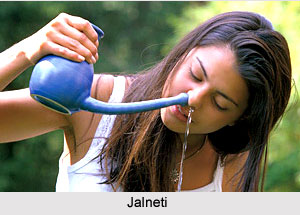 For best results, the Asthma patient is always recommended to practice Yoga Asanas, Cleansing Techniques and Pranayama all together. One should lay more emphasis on cleansing modes like Jala Neti and Sutra Neti, Vaman Dhauti and pranayamas like Kapalbhati, Anuloma-Viloma, Ujjayi, Surbyabhedana and Bhramari.
The general lifestyle that one follows is closely related to the Yoga asanas practiced and greatly depends upon its efficiency. A healthy diet can build the resistance against cold, allergies, and other environmental causes of Asthma, Bronchitis, and other chronic respiratory disorders. It also promotes a strictly non-smoking and non-drinking lifestyle. One should eat easily digestible food. Blowing out candles, blowing balloons and blowing bubbles improve breathing capacity.
DISCLAIMER - The Yoga asanas prescribed above should be strictly performed under the supervision of an experienced Yoga teacher.
Kriyas in Yoga is a thorough cleansing process. Jalneti cleans the nasal passage and facilitate free flow of air. Kapalbhati massages the facial muscles and opens tiny outlets on the skin for sweating. Yoga asanas like stretching and contraction during exercises makes lungs and other muscles strong. Pranayama is the deep and rhythmic breathing that multiplies the efficiency of respiratory system. Stress is one of the major factors for asthma. Nispandabhava and savasana helps to reduce the stress level. Yoga helps to develop positive attitude.
There are some particular Yoga postures that help the patient feel better and take control over Asthma and Bronchitis. However, these exercises should be practiced along with proper medication and the doctor`s recommendation. The seated pose of Sukhasana is one of the classic Meditative Asanas and is usually performed after doing the Corpse Pose. The Easy Pose helps in straightening the spine, slowing down metabolism, promoting inner tranquility, and keeping the mind still, which indirectly keeps the respiratory tracts, remain clear. Shoulder Lifts are the warming up poses of Yoga asana that look into curing the tension in the necks and shoulders, leading to stiffness, bad posture, and tension headaches. Yoga practice can ease Asthma by healing tension, increasing flexibility, and toning the muscles. Twist Yoga Poses like Ardha Matsyendrasana lengthens and strengthens the spine. Besides, the Asthma patients, this asana is also apt for liver, kidneys, as well as adrenal glands.
Amongst the supine poses of Yoga asana, the wind relieving pose or Pavana Muktasana helps the Asthma patients to eliminate excess gas in the stomach. Pavanamuktasana comes from the Sanskrit word `pavana` which means air or wind and `mukta` which means freedom or release. The Wind Relieving Pose works mainly on the digestive system; however the respiratory system is also benefited. The corpse pose or Savasana is considered as a classic relaxation pose and is practiced before or in between Asanas as well as a final relaxation. While it looks deceptively simple, it is actually difficult to perform. Anuloma-Viloma is a wonderful exercise for the Asthma patients. It is also called the Alternate Nostril Breathing Technique. In this breathing technique, one inhale through one nostril, retain the breath, and exhale through the other nostril. To completely cure asthma, the person has to experience relaxation through physical, mental and spiritual self.
Since Yoga believes that the mind is central to a diseased condition, pacifying and placating it would help cure the disease to a great extent. Asthma sufferers who practice yoga asanas, yogic kriyas, pranayamas, relaxation and meditation all together receive the best benefits of Yoga and thus calms down the whole system. This, in turn, not only helps to reduce the occurrence of Asthma, but also strengthens the lungs, digestive and circulatory system. Over a period of time, that checks attacks and even cures the Asthmatic condition. Yoga asanas that cure asthma have been efficiently executing its function primarily by reducing the levels of anxiety that hardly drugs do without side effects. Yoga gives patients access to their own internal experience and helps them focus the cause of their ailment and find their own triggers. This comes through increased self-awareness. Simple Yogic practices help to regulate breathing patterns, as well as enhance lung functioning. Thus, most patients are able to manage their condition by simply moving away their fears and anxieties.
Practicing Yoga asanas lead to the phase of stabilising the body`s immune system; at this stage asthma is relieved to a great extent. It is now proven that the regular and consistent practice of yoga raises the body`s tolerance to infection as well as its local resistance to infections in the respiratory tract. Yogic rest and relaxation often reduce the nervous system`s overall activity, therefore leading to notable recovery. Only Yoga offers resources like Abhyasa (regular, constant practice) and Vairagya (detachment) as means of holistic healing in regards to Asthma cure as well.
Yoga asanas, such as, Sarvangasana or Viparitakarani, Ardha and purna halasana, Matsyasana, Pavanmuktasana, Bhujangasana, Makarasana, Ardha-shalabhasana, Vakrasana, Parvatasana, Ushtrasana, Gomukhasana, Chakrasana, Tadasana and Shavasana are also recommended to people suffering from this breathing disorder. Practice of Surya-namaskar is also helpful. Besides mudras like Brahmamudra, Simhamudra; bandhas like Uddiyana, Agnisara and the recitation of Om ten times or more can also be helpful.
For best results, the Asthma patient is always recommended to practice Yoga Asanas, Cleansing Techniques and Pranayama all together. One should lay more emphasis on cleansing modes like Jala Neti and Sutra Neti, Vaman Dhauti and pranayamas like Kapalbhati, Anuloma-Viloma, Ujjayi, Surbyabhedana and Bhramari.
The general lifestyle that one follows is closely related to the Yoga asanas practiced and greatly depends upon its efficiency. A healthy diet can build the resistance against cold, allergies, and other environmental causes of Asthma, Bronchitis, and other chronic respiratory disorders. It also promotes a strictly non-smoking and non-drinking lifestyle. One should eat easily digestible food. Blowing out candles, blowing balloons and blowing bubbles improve breathing capacity.
DISCLAIMER - The Yoga asanas prescribed above should be strictly performed under the supervision of an experienced Yoga teacher.
Recently updated articles in Naturopathy in India
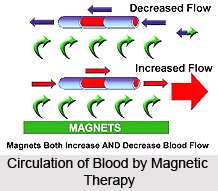
Effect of Magnets on Human Body
Magnets have a stimulating effect on various body systems such as digestive, urinary, respiratory. Magnet has its affect on blood and hence it influen...
Cancer, Disease
Cancer is a malignant in which a group of cells display uncontrolled growth.
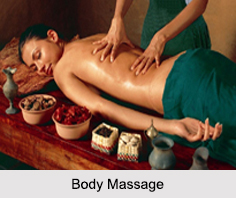
Principles of Massage
Principles of Massage are consisted of proper intricacies and sequence.
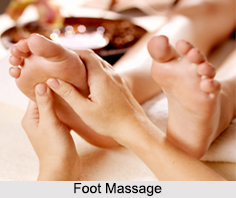
Foot Massage
Foot Massage is an extremely healing and effective therapy in Ayurveda, which can eliminate several problems in the entire body.
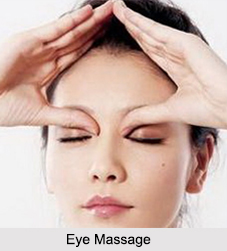
Eye Massage
Eye Massage helps to make the eyes cool and calm making the muscles stronger.
Related articles in Naturopathy in India

Nature Cure Treatments
Nature Cure Treatments comprise the use of natural elements and healthy lifestyle for healing various ailments and staying fit.

Water Therapy
Water therapy is an alternative therapeutic method that cures many diseases.
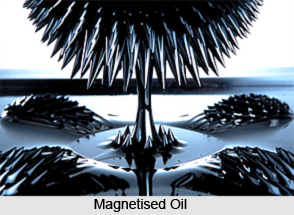
Magnetized Oils
Magnetized Oils are prepared either on the North Pole or the South Pole.