
The military causes of Sepoy Mutiny primarily led to the outbreak of the 1857 revolt. During 1857 there was a lot of discontentment among the Indian soldiers. The highest pay attainable by a sepoy as Subedar of the infantry was less than the minimum pay of a raw European recruit. Very often there was no promotion for an Indian soldier. The case was so that an Indian soldier joined as a Risaldar and also retired as a Risaldar. The Government did not trust the Indian soldiers. The self-respect of the soldiers was trampled upon at every step.
The number of British troops in India was never very large but the English Company was able to recruit without trouble from the native Indians. With the British in ratio of one in four thousand, the ratio of the troops had been fixed by a former Governor-General as one British soldier to three native soldiers and had never been less than one to four. Originally, the native soldiers were low cost Afghan or Turkish mercenaries. With a view to make the army more national, the sons of the landowners and peasants were deliberately recruited. In the army of Bengal, three-fifths of the men serving in the 63 Infantry Regiments came from Avadh. They enjoyed several privileges which disappeared after the annexation of Avadh in 1856. When they went home, they were treated with contempt as the slaves of the British.
It is true that the native soldiers seemed to be loyal to the British but there had been previous instances of trouble among them. In 1806, there was a mutiny of the native soldiers at Vellore. In 1824, a regiment which was ordered to go to Burma defied the orders on account of the dispute over cooking pots. In 1852, the 38th Native Infantry refused to cross the sea to Burma. However, in 1856, the General Service Enlistment Act was passed to give the authorities absolute power to take the soldiers out of India. This was very much resented as the new law was to apply to all the future entrants to the army which was considered to be a monopoly of a class of people in the country.
The increased ratio of Indian troops to British troops gave a sense of self-confidence to the Indian troops. There were small mutinies or near -mutinies at different places. There were signs of hatred between the white and coloured people. Almost all of them were caused by the fear that the British were trying to break caste and convert the sepoys to Christianity.
Rumours started circulating among the native soldiers. It was rumoured that all the armies of the Company had been killed in Burma and all the British in the Crimean War. It was said that English women were to be brought to India to marry Indian Princess whose children would then become Christians and all sepoys would be baptised. There was to be a mass murder of sepoys by a mine under the parade ground. The British had polluted sugar and mixed ground bullock`s bones with flour and the sepoys were forced to eat cow`s flesh. Although the government heard all these rumours they did nothing to stop them. Ignoring the fact that Indian soldiers regarded services in the form of trade guild, the Indian officers continued to disregard their customs and religions.
Although outwardly all seemed to be calm, below the surface there was a highly inflammable situation and some common cause was required to unite the different religions against the British and that was provided by the introduction of the greased cartridges.
Military Causes of Sepoy Mutiny
Military Causes of Sepoy Mutiny were considered the primary causes for the outbreak of the revolt. Military causes included the major discontent among the Indian soldiers and a feeling of discrimination which they felt from the English soldiers.
Recently updated articles in History of India
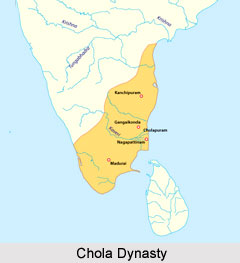
Chola Dynasty
Chola Dynasty is a Tamil dynasty and had longest duration of ruling in parts of South India. Chola dynasty had ruled South India successfully for a ex...
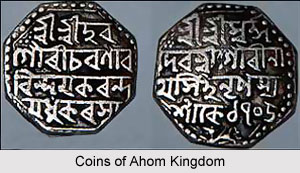
Suhungmung
Suhungmung was the fourteenth ruler of the Ahom dynasty who ruled from the period 1497 to 1539 AD. His reign was significant in terms of expansion of...
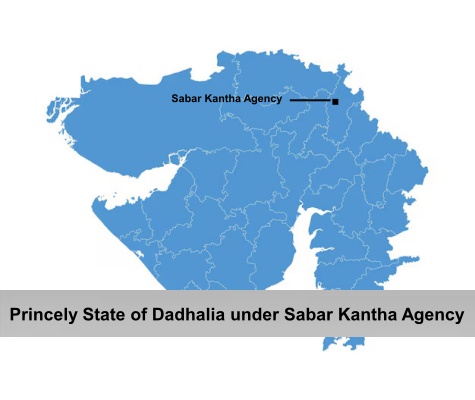
Princely State of Dadhalia
Princely State of Dadhalia was located in the present state of Gujarat. The state covered a total area of 28 sq miles and comprised of 15 villages. Th...
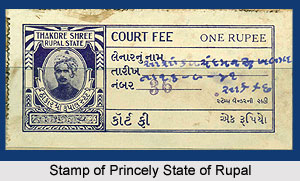
Princely State of Rupal
Princely State of Rupal was a part of the Baroda Agency, a sub division of Western India States Agency. It was under the administrative control of the...
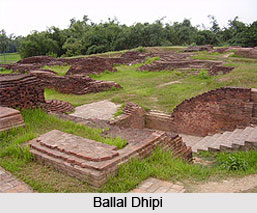
Archaeological Sites of West Bengal
Archaeological sites of West Bengal reveal several aspects of ancient India. Excavations by the Archaeological Survey of India have furnished artefact...
Related articles in History of India

Mughal Architecture during Babur
Mughal architecture during Babur marked the foundation of a new architectural era in India, blending Timurid, Persian, and local influences. His reign...

Architecture during Sayyid and Lodi Dynasty
Architectures during the Sayyid and Lodi dynasty were mainly the tombs and monuments for the dead rulers. It were carefully designed and meticulously...

Brahmanical Sources of Ancient History
Brahmanical Sources of ancient history are contained in the Vedas and they constitute one of the most important literary sources of information about...

Coins of Chola Empire
Coins of Chola Empire were issued in gold, silver and copper and carried the Chola emblem.

Coins of Khilji Dynasty
Coins of Khilji Dynasty had an influential feature that was followed by the other dynasties.