
Mahmud Ghawan, a great intellectual was a Persian, who came to India at the age of 43 and by sheer dint of merit rose to the highest office in the state in the reign of Muhammad Shah III (1463 A.D. -1482 A.D.). The king conferred on him the exalted titled of` malik-ul-tajjar. He enjoyed a unique position at the court and was given precedence over Hasan Nizamul-Mul, the leader of the Deccanis. Mahmud Ghawan followed a policy of compromise and he befriended his Deccani foes in the larger interest of the state. He kept a balance between the Deccanis and the pardesis in the larger interest of the state even in recruitment to high posts as well as bodyguards of the king. He was equally generous to the rebels whether Muslim or Hindu and advised the Sultan to forgive them.
Mahmud Ghawan`s policy was successful. This is evident from the support the infant ruler and Queen Makhdumah Jahan received from their rival Mallu Khan when they had to leave the capital, Firuzabad after their defeat at the hands of the ruler of Malwa. It was mainly due to his efforts that the state continued to exist even when a minor king Nizam-ud-din Ahmad III was on the throne.
Ghawan was responsible for making revolutionary changes in the system of military administration. He aspired to strengthen the authority of the Sultan and to curb the centrifugal tendencies of the provincial governors or tarufdars. The Bahmini state had vastly increased due to the recent conquests and therefore he divided it into eight provinces instead of the existing four. Some of the tracts in each of the provincial areas were taken away and placed directly under the control of the Sultan. This was done to provide better administration.
Mahmud Ghawan was a patron of learning and he wrote beautiful prose and poetry. He had written letters in the famous work Riyaz-ul-Insha on art of diction. He made grants to scholars and invited them to visit the Bahmani dominions. The great poet Naziri was appointed poet-laureate at the Bahmani court on his recommendation. Jami, the great Persian poet, lavished praise on Ghawan Saying he was the most learned person of his epoch.
Mahmud Ghawan
Mahmud Ghawan, a great intellectual was a Persian, who came to India at the age of 43 .
Recently updated articles in History of India
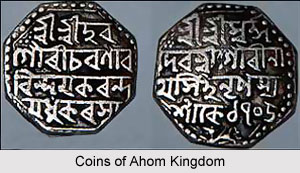
Suhungmung
Suhungmung was the fourteenth ruler of the Ahom dynasty who ruled from the period 1497 to 1539 AD. His reign was significant in terms of expansion of...
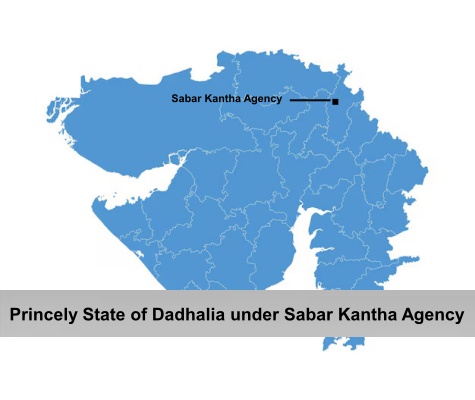
Princely State of Dadhalia
Princely State of Dadhalia was located in the present state of Gujarat. The state covered a total area of 28 sq miles and comprised of 15 villages. Th...
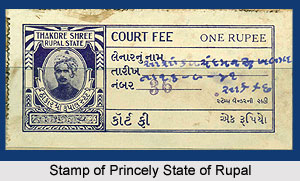
Princely State of Rupal
Princely State of Rupal was a part of the Baroda Agency, a sub division of Western India States Agency. It was under the administrative control of the...
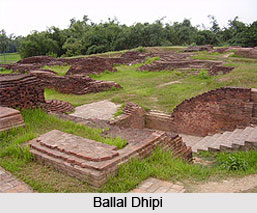
Archaeological Sites of West Bengal
Archaeological sites of West Bengal reveal several aspects of ancient India. Excavations by the Archaeological Survey of India have furnished artefact...

Princely State of Gabat
Princely State of Gabat was one of the native states of India during the Brtish period. Thakors were the native rulers of this state. After India gain...
Related articles in History of India

Mughal Architecture during Babur
Mughal architecture during Babur marked the foundation of a new architectural era in India, blending Timurid, Persian, and local influences. His reign...
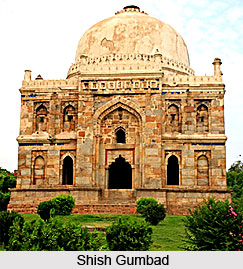
Architecture during Sayyid and Lodi Dynasty
Architectures during the Sayyid and Lodi dynasty were mainly the tombs and monuments for the dead rulers. It were carefully designed and meticulously...
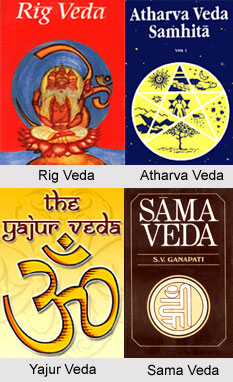
Brahmanical Sources of Ancient History
Brahmanical Sources of ancient history are contained in the Vedas and they constitute one of the most important literary sources of information about...
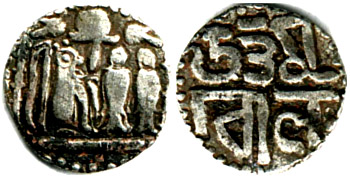
Coins of Chola Empire
Coins of Chola Empire were issued in gold, silver and copper and carried the Chola emblem.
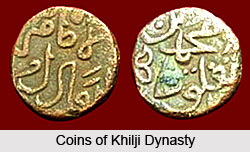
Coins of Khilji Dynasty
Coins of Khilji Dynasty had an influential feature that was followed by the other dynasties.