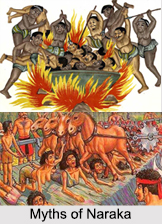
Twenty-eight hells described in the Bhagavata Purana
and the Devi Bhagavata Purana are as follows:
1. Tamisra (Darkness): Reserved for those who seize
another person's wealth, spouse, or children through deceit or force.
2. Andhatamisra (Blind Darkness): The abode of those
who deceive others and unlawfully enjoy their family or possessions, leading to
severe torment and loss of awareness.
3. Raurava (Hell of
Rurus): Assigned to individuals who pursue their own welfare while harming
other living beings and harboring envy.
4. Maharaurava (Great Raurava): Here, those who
prosper by exploiting others are devoured by fierce creatures known as rurus.
5. Kumbhipaka (Boiling Pot): Those who cruelly cook
animals and birds alive are themselves boiled in scorching oil.
6. Kalasutra (Thread
of Death): The destination of those who murder Brahmins or disrespect
parents, elders, ancestors, and spiritual authorities.
7. Asipatravana
(Forest of Sword Leaves): Reserved for people who abandon sacred teachings
and follow heretical paths.
8. Shukaramukha (Hog's Mouth): Kings and officials
who unjustly punish the innocent are subjected to suffering here.
9. Andhakupa (Hidden Well): Those who maliciously
harm others, including small creatures and insects, are confined in this dark
realm.
10. Krimibhojana
(Food for Worms): Selfish individuals who refuse to share food or neglect
religious duties become food for worms.
11. Sandamsa (Hell of
Pincers): Thieves who steal gold, jewels, or the property of others without
necessity suffer torment here.
12. Taptasurmi (Red-Hot Iron Forms): Those engaged in
illicit sexual relationships are forced to embrace burning iron figures.
13. Vajrakantaka-Salmali: Individuals guilty of
unnatural or excessive sexual conduct are torn apart on a thorn-covered tree.
14. Vaitarni: A dreadful river filled with filth and
decay, where sinners endure attacks from terrifying aquatic creatures.
15. Puyoda (Water of Pus): Those who live without
cleanliness, morality, or self-restraint are cast into this foul realm.
16. Pranarodha (Obstruction of Life): Hunters who
kill animals merely for sport are punished here.
17. Visashana (Murderous Torment): Those who
sacrifice animals for prestige and act arrogantly because of wealth or status
are whipped and slain.
18. Lalabhaksha (Saliva as Food): Those who consume
food without first honoring gods, ancestors, or guests are forced to subsist on
their own saliva.
19. Sarameyadana (Hounds of Sarama): Plunderers,
arsonists, poisoners, and corrupt rulers are attacked by ferocious hounds.
20. Avici (Waterless Hell): Liars and dishonest
traders are repeatedly hurled from great heights onto hard surfaces.
21. Ayahpana (Iron Drink): Those who violate sacred
vows through intoxication are forced to drink molten iron.
22. Ksarakardama (Caustic Mud): The proud who refuse
to honor worthy and virtuous individuals sink into corrosive filth.
23. Raksogana-Bhojana (Food of Rakshasas):
Practitioners of human sacrifice and cannibalism are torn apart by demonic
beings.
24. Shulaprota (Impaled): Those who betray and
torment creatures under their protection are pierced by sharp weapons.
25. Dandasuka (Serpents): Envious and cruel
individuals are devoured by venomous snakes.
26. Avata-Nirodhana (Dark Confinement): Those who
imprison others in pits, caves, or hidden places suffer suffocation in a
smoke-filled abyss.
27. Paryavartana (Retribution): Householders who
insult or mistreat guests have their eyes torn out by predatory birds.
28. Sucimukha (Needle-Faced): Misers obsessed with
hoarding wealth are stitched and pierced throughout their bodies.
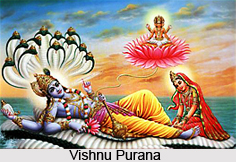
The Vishnu
Purana refers to a total of twenty-eight hells (Narakas), each
associated with the consequences of sinful actions. Several hells mentioned in
the Vishnu Purana are absent from the lists found in the Bhagavata Purana and
the Devi Bhagavata Purana. The following hells belong to this distinct group
described exclusively in the Vishnu Purana tradition.
1. Rodha (Obstruction): Assigned
to those guilty of abortion, cow slaughter, robbery, or strangulation.
2. Sukara (Hog Hell): Murderers of Brahmins, thieves
of gold, alcoholics, and their associates suffer here.
3. Tala
(Padlock): The destination of those who kill Kshatriyas or Vaishyas or
commit adultery with the wife of a spiritual teacher.
4. Taptakumbha (Hot Pots): Reserved for those guilty
of incest or the murder of envoys and messengers.
5. Taptaloha (Hot Iron): Those who betray dependents,
sell their spouses, or abuse authority are tormented with burning iron.
6. Mahajwala (Great Fire): Those who engage in
incestuous relations with daughters or daughters-in-law are consumed by intense
flames.
7. Lavana (Salt Hell): Those who insult their gurus,
superiors, or sacred scriptures are punished here.
8. Vimohana (Realm of Delusion): Thieves and those
who disregard prescribed religious observances suffer confusion and torment.
9. Krimisha (Hell of Insects): Practitioners of
harmful sorcery and black magic are condemned to this realm.
10. Vedhaka (Piercing): The makers of weapons that used
to injure others are subjected to repeated piercing.
11. Adhomukha (Upside-Down): Corrupt officials,
dishonest astrologers, and those who worship improper objects are cast
headfirst into suffering.
12. Puyavaha (Carrier of Filth): Those who profit
from prohibited trades, commit violence, or refuse to share their food are
punished here.
13. Rudhirandha
(Well of Blood): Violent entertainers, poisoners, arsonists, traitors, and
other wrongdoers are immersed in blood-filled torment.
14. Krishna (Dark Hell): Fraudsters, trespassers, and
those who deliberately harm others are confined in darkness.
15. Vahnijwala (Fiery Flame): Certain occupations
associated with violence or harm are believed to incur punishment in this fiery
realm.
16. Shwabhojana
(Food of Dogs): Those who neglect spiritual discipline and sacred learning
are condemned to become food for dogs.