
Kuladevata is one of the leading personages as Lord Shiva, Lord Vishnu and Goddess Durga. The Hindu mythology affirms that Kuladevata is the deity who is the object of hereditary and family worship. No house is supposed to be without its tutelary divinity, but the notion attached to this character is now very far from precise. Kuladevata is believed to know the full destiny of the family. The purpose of a Kuladevata is to protect the family and guide members in order to achieve over all prosperity. Kuladevata is one of the most attached entities towards the family as the lord`s functions are pertained to that of the Kul. The Kuladevata temple priest generally interacts with the Kuladevata and deity offers solution to all problems. When a man is in trouble Kuladevata is the main solace for man. Families are always divinely protected due to the embrace of Kuladevata.
Kuladevata is the patron holy being. The worshipping of Kuladevata is handed down through generations of the family. Each Hindu family has its own family god or goddess. `Kuladevata` is derived from two words, `Kula` and `Devata`. The word `Kul` means family or clan, and `Devata` means divinity. The Hindu families make a pilgrimage to the Kuladevata temple to attain blessing of the god after an auspicious occasion such as a wedding. Lord Vishnu, Lord Shiva, Lord Ganesh, Goddess Durga, Lord Karthikeya, Radha, Lord Krishna, Lord Rama, Sita, Goddess Lakshmi and Navagrahas are all popular Kuladevatas in households.
The article is a stub. You can enrich by adding more information to it. Send your Write Up to content@indianetzone.com.
Kuladevata
Kuladevata according to Hindu mythology is the god who is the object of hereditary and family worship.
Recently updated articles in Religion in India

Bhoyar Caste
Bhoyar Caste is largely found in the Central Provinces of the country. Traditional occupation of Bhoyars is agriculture. They are good cultivators and...
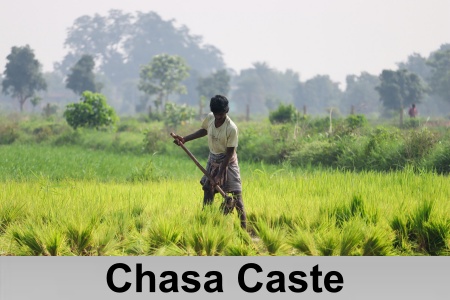
Chasa Caste
Chasa caste is a prominent agrarian community native to Odisha. Traditionally associated with cultivation and farming, Chasas have historically played...
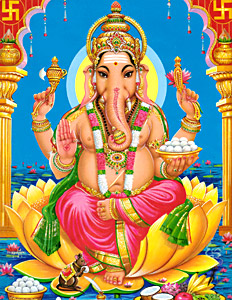
Vigneswara, A Form of Lord Ganesha
Lord Vigneswara is another form of Lord Ganesha or Vinayaka, prominently worshipped as the God of intelligence and good luck in the Indian subcontinen...
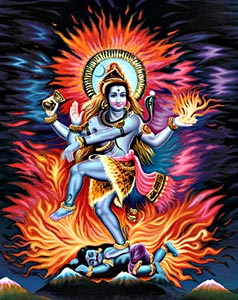
Maheswara
Maheswara, meaning “the Great Lord,” is a revered name of Lord Shiva in Hindu tradition. It represents Shiva’s supreme authority over creation, preser...
Anganyasa and Karanyasa
Anganyasa and Karanyasa are preparatory rituals in Hindu worship that sanctify the body and hands through the recitation of sacred mantras and symboli...
Related articles in Religion in India
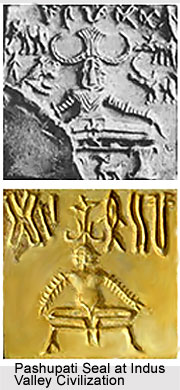
Religion in Indus Valley Civilization
Religion in Indus Valley Civilisation included Hinduism, Buddhism and Jainism. Details about the religion in Indus Valley Civilization have been gathe...
Iyer Brahmin
Iyer Brahmins are originally from Tamil Nadu of South India. They are known for their adherence to Advaita philosophy and Smarta traditions. Tradition...
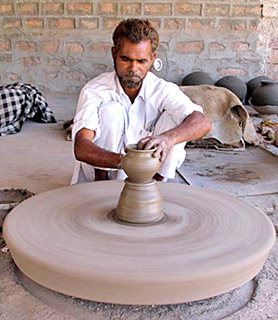
Kumbhakar / Kumhar Caste
Kumbhakar or Kumhar caste is a traditional artisan community in India known for pottery making. Derived from Sanskrit word Kumbhakar, meaning potter,...

Gujjars in Mughal Era
Gujjars in the Mughal era enjoyed great power. Further their power increased with the decline of Aurangzeb, Mughal emperor.
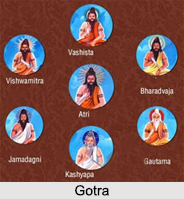
Gotra in Hinduism
In Hinduism, gotra refers to a lineage system tracing descent from ancient sages, primarily through the paternal line. Originating from Vedic traditio...