
Khoja are an ethno-religious community of Islam. This sect is found mainly in Punjab, Sindh, Mumbai, in Zanzibar and its neighbourhood, and under the name Mawali or Mawlai on the north-west frontier of India. It is also found in scattered groups in Central Asia. In India they are descendants of converts and in Zanzibar immigrants from India. The Mumbai section and its dependencies regard the sacred person of the Aga Khan as the head of the community and pays him a tithe and dues at births, marriages, burials and the new moon. However, each congregation is otherwise independent, having its own centre which is meeting-house and mosque, and its own officials, president, treasurer and secretary. These are sometimes appointed by the Aga Khan but are usually elected. A Persian book written about 1594 for the instruction of the Indian Khojas is revered in its old Sindhi form as the twenty-sixth in the list of Khoja saints.
The Khojas owe their origins to Ismaili Pir Sadr al-din. It was due to his contributions to Islam that the community came about. The Pir laid the foundations of the Nizari community in India. The Khojas were originally Ismaili and remain so even today. He established Ismaili religious centres (jamaat khanas) in Sindh, Punjab and Kashmir.
In the life and belief system and lifestyle of the Khojas, the Muslim law of succession does not apply. Till recently, their marriages were performed before a Sunni judge. No divorce is permitted without the sanction of the community which usually requires the consent of both parties. A second wife is not allowed during the lifetime of the first without the approval of the community which is usually granted if two thousand rupees are deposited for the support of the first wife. When death approaches, water is sprinkled to the reading of the Das-Avatar.
The Khojas in Central Asia belong to the Nizari branch of the Ismailis. Those in the Punjab do not recognize the Aga Khan as head but go to Sunni members of the Qadiri or Chisht orders for religious guidance. Originally the beliefs of the Mumbai branch were the same as those of the Punjab group but respect for the Aga Khan has removed them from the influence of the Indian religious orders.
Khoja
Khoja are an ethno-religious community of Islam. It was founded in India by the efforts of the Ismaili Pir Sadr al-din. It is practiced in India in parts of Punjab, Sindh and Mumbai.
Recently updated articles in Religion in India
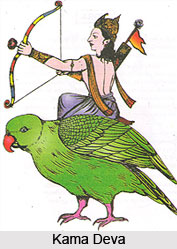
Kusumayudha
Kusumayudha is a name of Kamadeva, the Hindu God of Love. Depicted with a sugarcane bow and flower-tipped arrows, he represents attraction and longing...
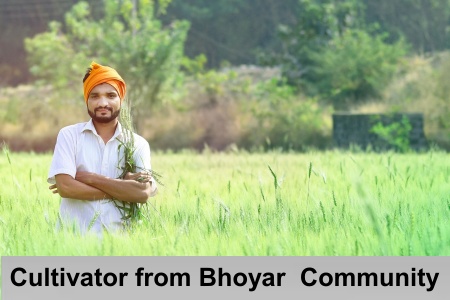
Bhoyar Caste
Bhoyar Caste is largely found in the Central Provinces of the country. Traditional occupation of Bhoyars is agriculture. They are good cultivators and...
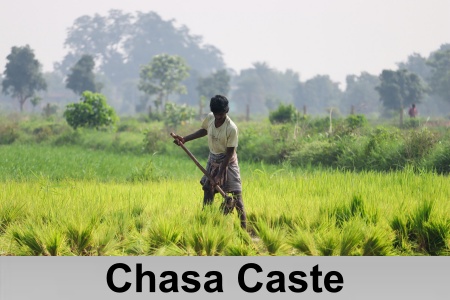
Chasa Caste
Chasa caste is a prominent agrarian community native to Odisha. Traditionally associated with cultivation and farming, Chasas have historically played...
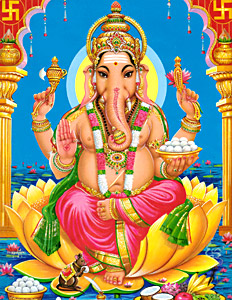
Vigneswara, A Form of Lord Ganesha
Lord Vigneswara is another form of Lord Ganesha or Vinayaka, prominently worshipped as the God of intelligence and good luck in the Indian subcontinen...
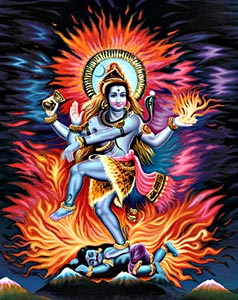
Maheswara
Maheswara, meaning “the Great Lord,” is a revered name of Lord Shiva in Hindu tradition. It represents Shiva’s supreme authority over creation, preser...
Related articles in Religion in India
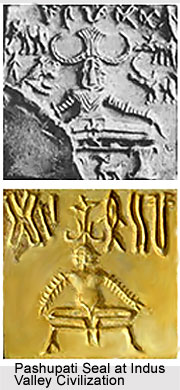
Religion in Indus Valley Civilization
Religion in Indus Valley Civilisation included Hinduism, Buddhism and Jainism. Details about the religion in Indus Valley Civilization have been gathe...
Iyer Brahmin
Iyer Brahmins are originally from Tamil Nadu of South India. They are known for their adherence to Advaita philosophy and Smarta traditions. Tradition...
Kumbhakar / Kumhar Caste
Kumbhakar or Kumhar caste is a traditional artisan community in India known for pottery making. Derived from Sanskrit word Kumbhakar, meaning potter,...

Gujjars in Mughal Era
Gujjars in the Mughal era enjoyed great power. Further their power increased with the decline of Aurangzeb, Mughal emperor.
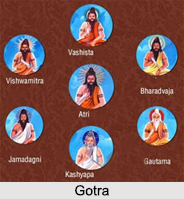
Gotra in Hinduism
In Hinduism, gotra refers to a lineage system tracing descent from ancient sages, primarily through the paternal line. Originating from Vedic traditio...