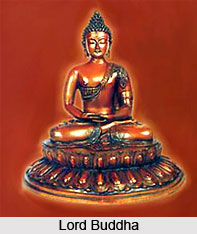
 Kathavatthu is a Buddhist scripture that is composed in Pali language. The original text coincides with the reign of King Ashoka. This text was written in order to clear the controversial points regarding Dhamma. It is a series of questions from non Theravada point of view and their implications refuted in answers.
The Kathavatthu was compiled in order to clarify the various points of controversy regarding Dhamma that had arisen among early Buddhist schools. As per tradition, this work was compiled by Moggaliputta Tissa. The Kathavatthu records the answers that were considered orthodox by the assembled senior monks.
The Kathavatthu speaks over 200 points of contention. The points that have been debated are divided into four pannasaka. Each of them are divided into 20 chapters. Three more vagga follows. Each chapter contains questions and answers. The names of the participants are not given. The subject matter of the Kathavatthu differs considerably from that of the other texts in the Abhidhamma.
The Kathavatthu is the only book in the whole of the Tipitaka which has been ascribed to a definite author. Moggaliputta Tissa flourished during the reign of Emperor Ashoka (Third century B.C.). He presided over the Third Buddhist council at Pataliputra which was convened due to the need to establish the purity of the canon. Tissa tried to establish that the Theravada interpretation was the correct one and the most logical.
This article is a stub. You can enrich by adding more information to it. Send your Write Up to content@indianetzone.com