
The Varna theory of social organization is based on karma. The divine justification of Varna although held the view that varnas are based on birth. But even then there are instances, which show that varnas are based on karma. According to Gautama, "Men of these orders who always live according to duty enjoy after death, the rewards of their works and by virtue of a remnant of their merit they are borne again in excellent countries." According to Mahabharata, the Varna of person should be judged in accordance to his deeds. At birth every person is Shudra. But the deeds that he performs and the traits, which express in his behaviour, determine his Varna. Guna is the basis of varna. The Bhagavad-Gita classifies the society into four varnas according to the dominant gunas. In this sense, it can be said that gunas are the main basis of Varna organization. In Vishnu purana the psychological basis of Varna organization has also been supported. It regards the Brahmana predominated by sattva guna, Kshatriya is predominated by rajas, vaishya by tamas and rajas and Shudra by tamas. Thus in other words, the various varnas refer to the various gunas of human life. According to shukra-niti men are of three classes in accordance to their nature and characteristics. Thus the Varna organization represents the division of society into four orders, which is based on occupation and qualities as well.
According to Dr. Mukherji, "These classes did not crystallize into castes, and there was often interchange of occupations and intermarriage among the upper social groups. The chatur-varna schemes of social stratification and differentiation between the dwijas or the `twice born` and the shudras or the sections of the community that remain to be reclaimed by the aryan rituals and sacrifices or samskaras, belong to the Indian civilization since the close of the Vedic period."
Karma as the basis of Varna
In India the Varna theory of social organization is based on karma.
Recently updated articles in Religion in India
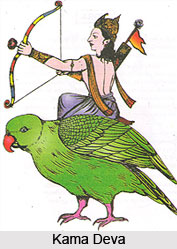
Kusumayudha
Kusumayudha is a name of Kamadeva, the Hindu God of Love. Depicted with a sugarcane bow and flower-tipped arrows, he represents attraction and longing...
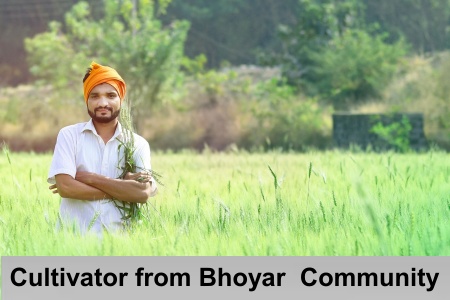
Bhoyar Caste
Bhoyar Caste is largely found in the Central Provinces of the country. Traditional occupation of Bhoyars is agriculture. They are good cultivators and...
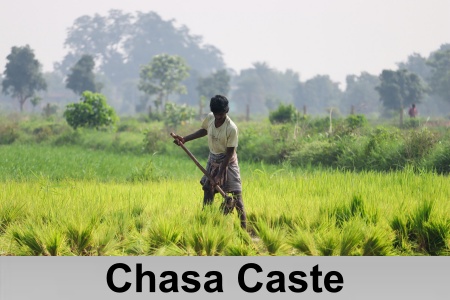
Chasa Caste
Chasa caste is a prominent agrarian community native to Odisha. Traditionally associated with cultivation and farming, Chasas have historically played...
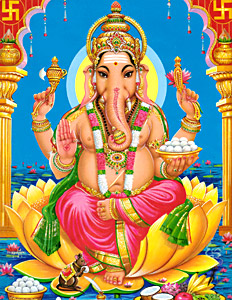
Vigneswara, A Form of Lord Ganesha
Lord Vigneswara is another form of Lord Ganesha or Vinayaka, prominently worshipped as the God of intelligence and good luck in the Indian subcontinen...
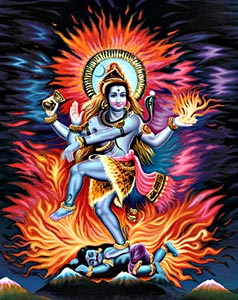
Maheswara
Maheswara, meaning “the Great Lord,” is a revered name of Lord Shiva in Hindu tradition. It represents Shiva’s supreme authority over creation, preser...
Related articles in Religion in India
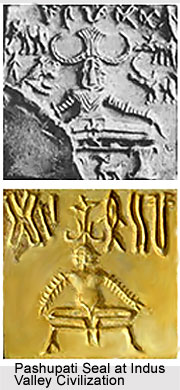
Religion in Indus Valley Civilization
Religion in Indus Valley Civilisation included Hinduism, Buddhism and Jainism. Details about the religion in Indus Valley Civilization have been gathe...
Iyer Brahmin
Iyer Brahmins are originally from Tamil Nadu of South India. They are known for their adherence to Advaita philosophy and Smarta traditions. Tradition...
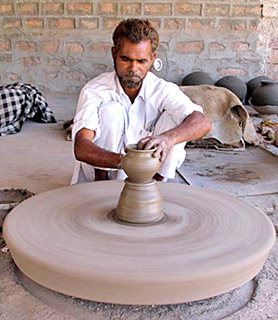
Kumbhakar / Kumhar Caste
Kumbhakar or Kumhar caste is a traditional artisan community in India known for pottery making. Derived from Sanskrit word Kumbhakar, meaning potter,...

Gujjars in Mughal Era
Gujjars in the Mughal era enjoyed great power. Further their power increased with the decline of Aurangzeb, Mughal emperor.
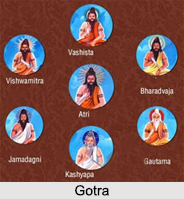
Gotra in Hinduism
In Hinduism, gotra refers to a lineage system tracing descent from ancient sages, primarily through the paternal line. Originating from Vedic traditio...