
Kapalika is one of the Shaivite groups or the devotees of Lord Shiva. Kapalika means bearer of the skull-bowl, and has reference to Lord Shiva`s promise to take the kapala vow. Shiva cut of one of the foreheads Lord Brahma and as a punishment was outcaste and became a beggar.
Lord Shiva or Bhairava went to places and cremation grounds, wearing nothing but a garland of skulls and ash from the pyre, and unable to remove the skull of Brahma fastened to his hand. The skull of Lord became his begging-bowl, and the Kapalikas are said to use skulls as begging bowls and as drinking and eating vessels. During this time ascetics ate and drank from the skull of the person so sacrificed and followed tantric. The Kapalikas performed penance by going naked, eating the flesh of the dead, smearing themselves with the ashes of corpses, and frequenting lonely cremation grounds. They meditated on the yoni, the symbol of the female sexual organ.
The other group of the Shaivite groups is Kalamukhas and they were black-faced, because of the black mark, or tilaka, were worn on their foreheads.
This article is a stub. You can enrich by adding more information to it. Send your Write Up to content@indianetzone.com
Kapalika
Kapalika means bearer of the skull-bowl and is one of the groups of the Shaivite ascetics.
Recently updated articles in Religion in India
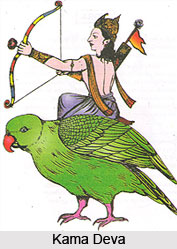
Kusumayudha
Kusumayudha is a name of Kamadeva, the Hindu God of Love. Depicted with a sugarcane bow and flower-tipped arrows, he represents attraction and longing...

Bhoyar Caste
Bhoyar Caste is largely found in the Central Provinces of the country. Traditional occupation of Bhoyars is agriculture. They are good cultivators and...
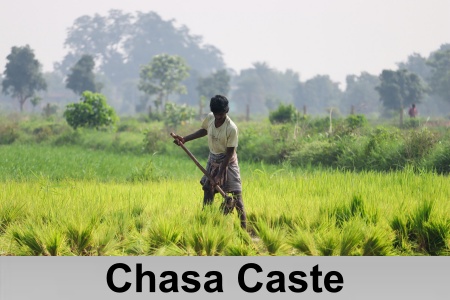
Chasa Caste
Chasa caste is a prominent agrarian community native to Odisha. Traditionally associated with cultivation and farming, Chasas have historically played...
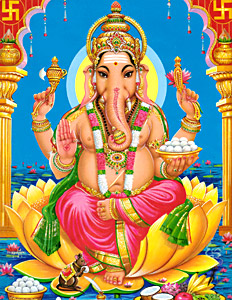
Vigneswara, A Form of Lord Ganesha
Lord Vigneswara is another form of Lord Ganesha or Vinayaka, prominently worshipped as the God of intelligence and good luck in the Indian subcontinen...
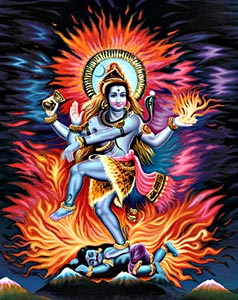
Maheswara
Maheswara, meaning “the Great Lord,” is a revered name of Lord Shiva in Hindu tradition. It represents Shiva’s supreme authority over creation, preser...
Related articles in Religion in India
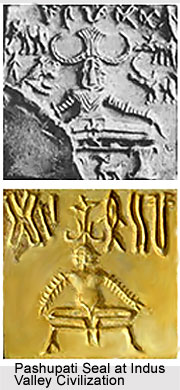
Religion in Indus Valley Civilization
Religion in Indus Valley Civilisation included Hinduism, Buddhism and Jainism. Details about the religion in Indus Valley Civilization have been gathe...
Iyer Brahmin
Iyer Brahmins are originally from Tamil Nadu of South India. They are known for their adherence to Advaita philosophy and Smarta traditions. Tradition...
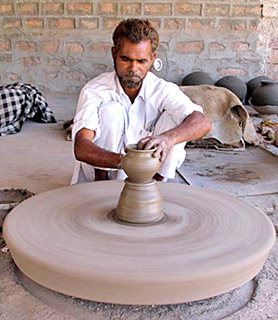
Kumbhakar / Kumhar Caste
Kumbhakar or Kumhar caste is a traditional artisan community in India known for pottery making. Derived from Sanskrit word Kumbhakar, meaning potter,...

Gujjars in Mughal Era
Gujjars in the Mughal era enjoyed great power. Further their power increased with the decline of Aurangzeb, Mughal emperor.
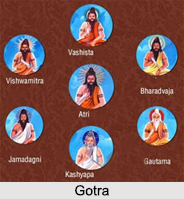
Gotra in Hinduism
In Hinduism, gotra refers to a lineage system tracing descent from ancient sages, primarily through the paternal line. Originating from Vedic traditio...