
Jyamagha is a king, distinguished for his devotion to his wife. King Jyamagha was the husband of Saivya, who was unable to give birth.
Jyamagha was so much afraid of her that he did not take marry any other women for his descendants.
On one occasion the king, after a desperate conflict with elephants and horse, defeated a powerful enemy. The enemy flew away abandoning his wife, children, kin army, treasure, and dominion, fled. The daughter of the enemy, a lovely princess cried for help as her eyes rolled wildly with danger.
The king Jyamagha was struck by her beauty, and penetrated with affection for her, and said to himself. He said to himself that he is fortunate to have that beautiful princess. His wife is incapable of giving birth so he will marry this girl and make her his bride. She will be able to give birth and produce his descendants. King Jyamagha thought to take her in his car first and then convey her to his palace. There he will request the concurrence of the queen in these nuptials. Consequently he took the princess into his chariot, and returned to his own capital.
When Jyarnagha`s approach was announced, Saivya came to the palace gate, attended by the ministers, the courtiers, and the citizens, to welcome the victorious monarch. But when she beheld the maiden standing on the left hand of the king, her lips swelled and slightly quivered with resentment. Saivya asked Jyamagha who that lady was in his chariot. The king unprepared with a reply, made answer impulsively, through fear of this queen. He said that this is his daughter-in-law.
The queen was astonished as she had no son and no other children. She asked him if he had any other wife. The king disconcerted by the jealousy and anger which the words of Saivya displayed, made this reply to her in order to prevent further contention. Jyarnagha said that the young lady was the young bride of the future son whom he shall bring forth. Hearing this, Saivya smiled gently and approved him and the king entered into his great palace.
Jyamagha
Jyamagha is a king, celebrated for his devotion to his wife.
Recently updated articles in Religion in India
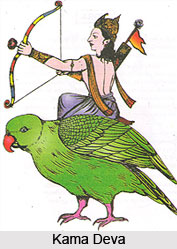
Kusumayudha
Kusumayudha is a name of Kamadeva, the Hindu God of Love. Depicted with a sugarcane bow and flower-tipped arrows, he represents attraction and longing...
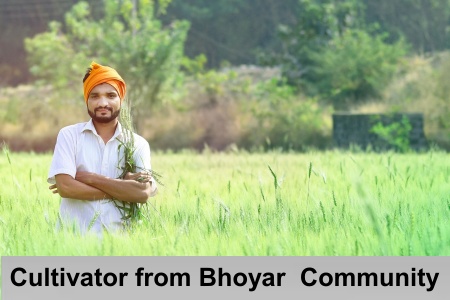
Bhoyar Caste
Bhoyar Caste is largely found in the Central Provinces of the country. Traditional occupation of Bhoyars is agriculture. They are good cultivators and...
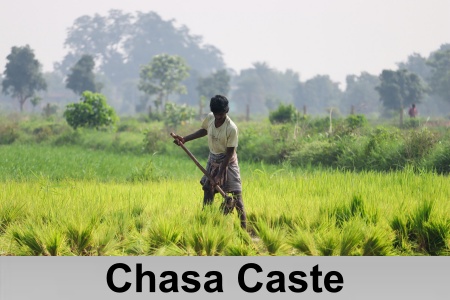
Chasa Caste
Chasa caste is a prominent agrarian community native to Odisha. Traditionally associated with cultivation and farming, Chasas have historically played...
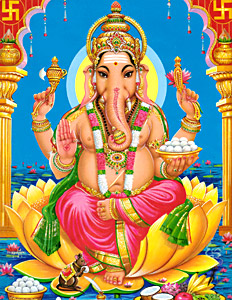
Vigneswara, A Form of Lord Ganesha
Lord Vigneswara is another form of Lord Ganesha or Vinayaka, prominently worshipped as the God of intelligence and good luck in the Indian subcontinen...
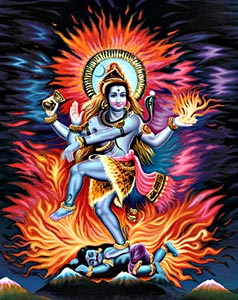
Maheswara
Maheswara, meaning “the Great Lord,” is a revered name of Lord Shiva in Hindu tradition. It represents Shiva’s supreme authority over creation, preser...
Related articles in Religion in India
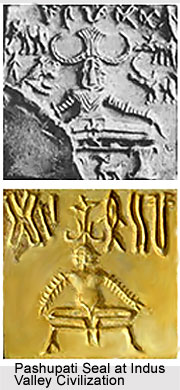
Religion in Indus Valley Civilization
Religion in Indus Valley Civilisation included Hinduism, Buddhism and Jainism. Details about the religion in Indus Valley Civilization have been gathe...
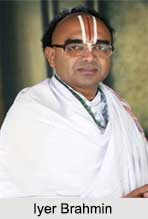
Iyer Brahmin
Iyer Brahmins are originally from Tamil Nadu of South India. They are known for their adherence to Advaita philosophy and Smarta traditions. Tradition...
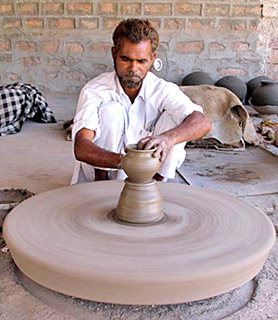
Kumbhakar / Kumhar Caste
Kumbhakar or Kumhar caste is a traditional artisan community in India known for pottery making. Derived from Sanskrit word Kumbhakar, meaning potter,...

Gujjars in Mughal Era
Gujjars in the Mughal era enjoyed great power. Further their power increased with the decline of Aurangzeb, Mughal emperor.
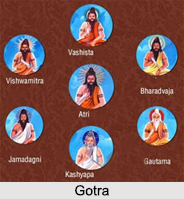
Gotra in Hinduism
In Hinduism, gotra refers to a lineage system tracing descent from ancient sages, primarily through the paternal line. Originating from Vedic traditio...