
Internal and External Dangers, as mentioned in Chapter V of Book IX in Arthashastra, enlists some kinds of internal as well as external dangers in which include danger which is of external origin and of internal abetment; the danger which is of internal origin and of external abetment; the danger which is of external origin and of external abetment; and the danger which is of internal origin and of internal abetment.
Internal and External Dangers mentions that whenever an intrigue place between the local person and the foreigners, the consequence of such combination is of a very serious nature; the abettors have a better chance to win while the foreigners usually win over the local people. In case of suppressing the local abettors who intrigue with the foreigners, the king should employ methods like conciliation, and gifts which are also known as sama and dana. The act of pleasing a man with a high rank and honour is conciliation; favour and remission of taxes or employment to conduct state works is what is termed gifts. When a foreigner is abetting then the king should employ policies like dissention and coercion; Institution of Spies can also be used as they in the disguise of traitors shall restrict the foreigners as well as the local people from getting into traps.
Internal and External Dangers further claims that where foreigners carry on an intrigue with foreigners, and the local men with local men, there the consequences of the intrigue unanimously carried on with a set purpose, will be very serious nature. In such case if the guilty is not caught then it shall contaminate the rest of the community. Thus the king should be more careful in employing the policy of dissention and coercion for the foreigners which h shall work as an example for others. In case the local men carry out intrigue with the local men, the king should employ necessary methods to put them down.
Thus Internal and External Dangers mainly alerts the conqueror that other than invasion he needs to be more alert towards the moral growth of his own people which can come to a standstill in the company of conspirators and intrigues.
Internal and External Dangers
Internal and External Dangers mainly describes the dangers which roll over from a variety of treatises signed between the foreigners and the local people that have been neglected from time to time to but opens an outlet for the foreigners to enter into illegal abetments. Chapter V of Book IX in Arthashastra has enlisted some of the conditions which cause internal and external dangers.
Recently updated articles in History of India
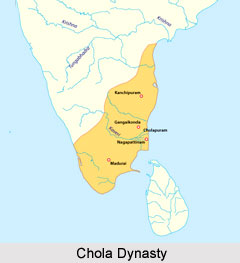
Chola Dynasty
Chola Dynasty is a Tamil dynasty and had longest duration of ruling in parts of South India. Chola dynasty had ruled South India successfully for a ex...
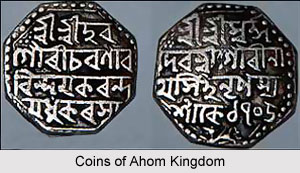
Suhungmung
Suhungmung was the fourteenth ruler of the Ahom dynasty who ruled from the period 1497 to 1539 AD. His reign was significant in terms of expansion of...
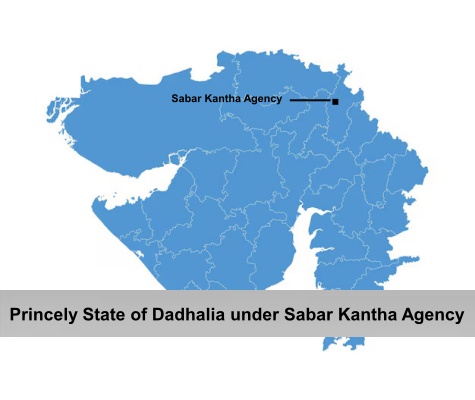
Princely State of Dadhalia
Princely State of Dadhalia was located in the present state of Gujarat. The state covered a total area of 28 sq miles and comprised of 15 villages. Th...
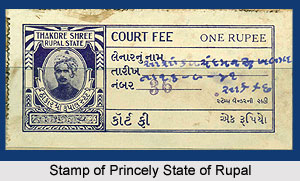
Princely State of Rupal
Princely State of Rupal was a part of the Baroda Agency, a sub division of Western India States Agency. It was under the administrative control of the...
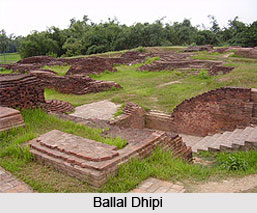
Archaeological Sites of West Bengal
Archaeological sites of West Bengal reveal several aspects of ancient India. Excavations by the Archaeological Survey of India have furnished artefact...
Related articles in History of India

Mughal Architecture during Babur
Mughal architecture during Babur marked the foundation of a new architectural era in India, blending Timurid, Persian, and local influences. His reign...
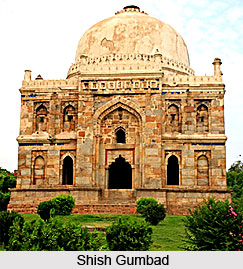
Architecture during Sayyid and Lodi Dynasty
Architectures during the Sayyid and Lodi dynasty were mainly the tombs and monuments for the dead rulers. It were carefully designed and meticulously...
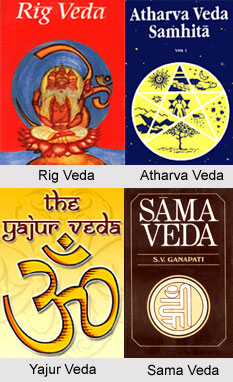
Brahmanical Sources of Ancient History
Brahmanical Sources of ancient history are contained in the Vedas and they constitute one of the most important literary sources of information about...
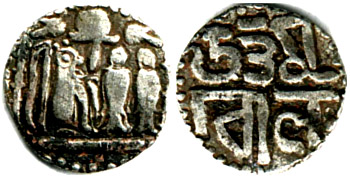
Coins of Chola Empire
Coins of Chola Empire were issued in gold, silver and copper and carried the Chola emblem.
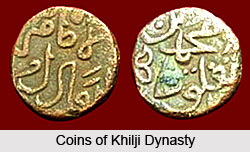
Coins of Khilji Dynasty
Coins of Khilji Dynasty had an influential feature that was followed by the other dynasties.