
Hymns on Generosity exhort the worshipper to be generous, both to the gods and to the poet as well as to mankind in general. There is also a self-serving level to the advice: fortune is fickle, and the man to whom one gives now may have given in the past and may do so again.
The hymns say that hunger is not the only reason of death many well-fed men also reach death. It has been said that the riches of the man who gives fully do not run out but the miser finds no one with sympathy. The hymns proclaim that a rich man who hardens his heart against a poor man who comes to him suffering and asking for nourishment in spite of the fact that he had used the services of the poor man in the past, in such a situation he surely finds no one with understanding.
According to the belief of the hymns it has been said that a man who is truly generous gives to the beggar approaches him thin and in search of food. A generous man puts himself at the service of the man who calls to him from the road, and makes him a friend for times to come. That man is no friend who does not give of his own nourishment to his friend, the companion at his side.
The Rig Vedic hymns say that let the needy man move away from such a man who hesitates to give freely and in turn go to such a man who gives freely even to a stranger. It has been advised that a stronger man should give generously to a man who is in need because that does not reduce his assets. A belief that is very much pronounced in the hymns is that riches roll like the wheels of a chariot, turning from one to another.
Foresight has been given a lot of importance in the hymns. It has been said that a person who has no foresight gets food in vain that is he has excess of food which is wasted. Rather it can be said that the man who eats alone brings troubles upon himself.
In order to bring forth the importance of giving; the hymns have put forth a number of comparisons. It says that the plough that works the soil makes a man well-fed; the legs that walk put the road behind them. The priest who speaks is better than the one who does not speak. The friend who gives freely surpasses the one who does not.
Finally the hymns on Generosity concludes saying that it is true that two kinsmen are not same in terms of giving but yet generosity remains a very important virtue for every individual.
Hymns on Generosity
Hymns on Generosity focus on the greatness of giving. It tries to say that giving does not reduce the wealth of an individual.
Recently updated articles in Religion in India
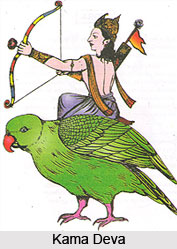
Kusumayudha
Kusumayudha is a name of Kamadeva, the Hindu God of Love. Depicted with a sugarcane bow and flower-tipped arrows, he represents attraction and longing...
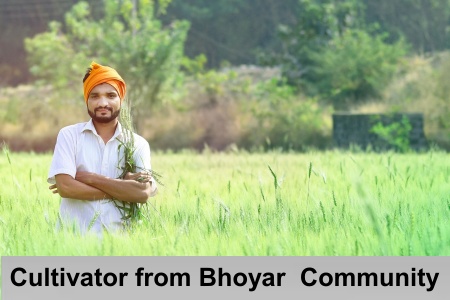
Bhoyar Caste
Bhoyar Caste is largely found in the Central Provinces of the country. Traditional occupation of Bhoyars is agriculture. They are good cultivators and...
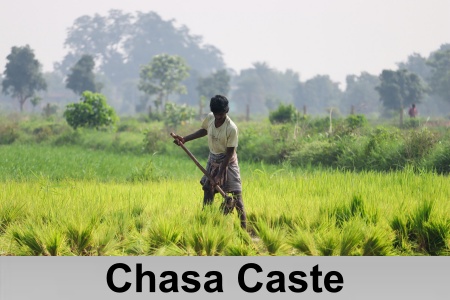
Chasa Caste
Chasa caste is a prominent agrarian community native to Odisha. Traditionally associated with cultivation and farming, Chasas have historically played...
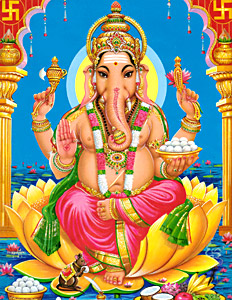
Vigneswara, A Form of Lord Ganesha
Lord Vigneswara is another form of Lord Ganesha or Vinayaka, prominently worshipped as the God of intelligence and good luck in the Indian subcontinen...

Maheswara
Maheswara, meaning “the Great Lord,” is a revered name of Lord Shiva in Hindu tradition. It represents Shiva’s supreme authority over creation, preser...
Related articles in Religion in India

Religion in Indus Valley Civilization
Religion in Indus Valley Civilisation included Hinduism, Buddhism and Jainism. Details about the religion in Indus Valley Civilization have been gathe...

Iyer Brahmin
Iyer Brahmins are originally from Tamil Nadu of South India. They are known for their adherence to Advaita philosophy and Smarta traditions. Tradition...

Kumbhakar / Kumhar Caste
Kumbhakar or Kumhar caste is a traditional artisan community in India known for pottery making. Derived from Sanskrit word Kumbhakar, meaning potter,...

Gujjars in Mughal Era
Gujjars in the Mughal era enjoyed great power. Further their power increased with the decline of Aurangzeb, Mughal emperor.

Gotra in Hinduism
In Hinduism, gotra refers to a lineage system tracing descent from ancient sages, primarily through the paternal line. Originating from Vedic traditio...