
Harishchandra was a king of the Solar Dynasty who descended to the throne after his father Trishanku. Harishchandra was known for his piousness and honesty. Having conquered the emperors of India, he had celebrated a royal sacrifice which remained unparallel for years to come. It could only be matched by the sacrifice of Yudhisthira in the fourteenth century BC. Legend describes that Harishchandra gifted all five times more than what they required. Amongst all the Hindu kings, only Marutta and Harishchandra were considered as worthy rivals of Lord Indra. The king had erected a town by the name Harishchandrapura or Saubhapura. With time the king grew covetous and impudent. He began dishonouring the Brahmans, sages and even great seers. Sage Vishwamitra on learning the uncouth acts of the king resolved to mend his ways. One day during hunting King Harishchandra passed through the hermitage of sage Vishwamitra where he saw few girls being tied up by the sage for tearing his flower plants. He immediately unfastened them out of sympathy but this annoyed the sage. To make amendments the king agreed to present him a gift of his choice. Vishwamitra asked for his kingdom as a gift which the king immediately presented to him. It was customary to gift a Brahman with some dakshina but having given his kingdom; the king was not left with anything.
Finally the king sold himself to a doma (funeral assistant) of Varanasi to pay the fee. He also sold off his queen and his only son to a Brahman. After they departed they faced with many hardships. This helped the king to learn the lessons of life. One day in the funeral ghat of Kasi Harishchandra met his ex-queen Saivya who came to cremate their only son Rohitasva. Their son was bitten by a snake while collecting flowers. During this moment Vishwamitra appeared and revived their son by a nostrum.
Appreciating the king`s virtue and honesty, the sage returned his kingdom. The king along with his princess and son returned back to Oudh and ruled gloriously for many years. His memory is still cherished by many Hindus.
Harishchandra
Harishchandra was a king of the Solar Dynasty who was known for his honesty, virtue and was later succeeded by his son Rohitasva.
Recently updated articles in History of India
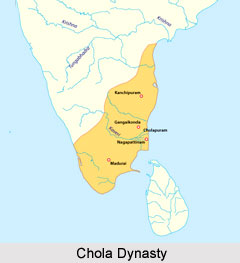
Chola Dynasty
Chola Dynasty is a Tamil dynasty and had longest duration of ruling in parts of South India. Chola dynasty had ruled South India successfully for a ex...
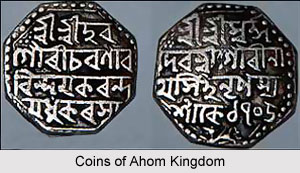
Suhungmung
Suhungmung was the fourteenth ruler of the Ahom dynasty who ruled from the period 1497 to 1539 AD. His reign was significant in terms of expansion of...
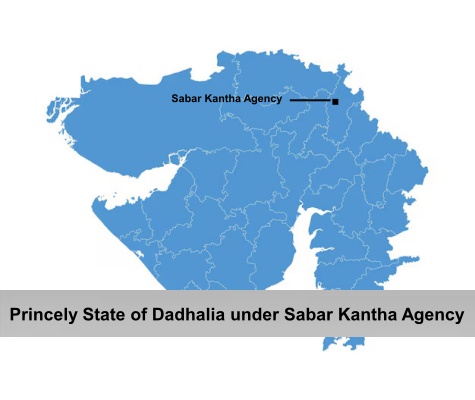
Princely State of Dadhalia
Princely State of Dadhalia was located in the present state of Gujarat. The state covered a total area of 28 sq miles and comprised of 15 villages. Th...
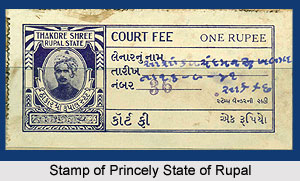
Princely State of Rupal
Princely State of Rupal was a part of the Baroda Agency, a sub division of Western India States Agency. It was under the administrative control of the...
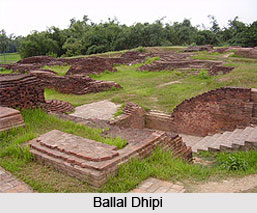
Archaeological Sites of West Bengal
Archaeological sites of West Bengal reveal several aspects of ancient India. Excavations by the Archaeological Survey of India have furnished artefact...
Related articles in History of India

Mughal Architecture during Babur
Mughal architecture during Babur marked the foundation of a new architectural era in India, blending Timurid, Persian, and local influences. His reign...

Architecture during Sayyid and Lodi Dynasty
Architectures during the Sayyid and Lodi dynasty were mainly the tombs and monuments for the dead rulers. It were carefully designed and meticulously...

Brahmanical Sources of Ancient History
Brahmanical Sources of ancient history are contained in the Vedas and they constitute one of the most important literary sources of information about...

Coins of Chola Empire
Coins of Chola Empire were issued in gold, silver and copper and carried the Chola emblem.

Coins of Khilji Dynasty
Coins of Khilji Dynasty had an influential feature that was followed by the other dynasties.