 Gwalior had served as a British province since the times of 18th century. Due to its oriental richness in palaces and riches, the British left no stone unturned to make it surrender under English dominion. Several manipulative measures were thus being taken to curb the era of Rajas. A war was inevitable in such perturbing cases.
On 13th December 1843, Lord Ellenborough warned the Maharani of Gwalior through letter that she should dismiss a usurping regent. The letter also warned that the size of the Gwalior Army should be reduced.
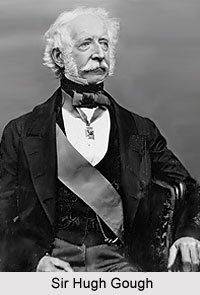
In the turbulent times of December, General Sir Hugh Gough (1779-1869) crossed the Chambal River into Gwalior, attributing the British intervention on the terms of the Treaty of 1804. Thus was commenced the Gwalior War. On 29th December, the British fought two successful battles against the forces of Gwalior at Maharajpur and Panniar.
On 13th Jan 1844, a new treaty with Gwalior was established. The treaty allowed for a council of six Native Regents, reduced the army to 9000 and increased the number of British officers in the Gwalior Contingent. The state of Gwalior bowed down to British pressure and assented to the warring tactics of the Britishers.
This article is a stub. You can enrich by adding more information to it. Send your Write Up to content@indianetzone.com