
Goddess Poshamma is a folk deity who is worshiped by offering rituals. A sacrifice is offered by some of the villagers. A small procession takes place where several people participate that is led by a Madiga beating a drum. Thereafter came two men of the washer man caste, each carrying a lamb. Then the women came each with a brass utensil or drinking cup and with baskets containing food and other offerings. The entire group of people marched three times around the green tree under which the idols stood and then halted in front of them. The lambs are placed on the ground in front of the idols. The two women splash some water over the idols and then worship them. Then yellow, red and purple powders are put on the idol. After this each woman placed a small leaf plate of rice before each image, poured ghee and curds over the food and light incense sticks. Then the idols are worshipped again.
The sacrificial lambs are splashed with some water in the face and coloured powder on the nose and forehead, after which they were released for a moment to see if they would shake their heads. Either to get the water out of its ear, or to shake off its recent bondage, one of the lambs shook its head, thus signifying that the goddess was pleased with the sacrifice. The lamb which did not shake its head is splashed with some more water and coloured powder. The washer men seize a lamb and cuts off the heads. The blood is allowed to flow out on the ground in front of the image. Then each forefoot is hung up beside a lot of such feet of various animals which are dangling in front of the images. It seems that this was done with the intention that the goddess should not forget their offerings.
When the worship is over the children receive food. The worshippers get the mutton, the washer man gets a lamb`s head and Madiga receives some money. Goddess Poshamma is offered thanks for protection against small pox.
Goddess Poshamma
Goddess Poshamma is also considered as the goddess of small pox. The name poshamma means one who nourishes.
Recently updated articles in Religion in India
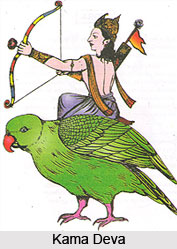
Kusumayudha
Kusumayudha is a name of Kamadeva, the Hindu God of Love. Depicted with a sugarcane bow and flower-tipped arrows, he represents attraction and longing...
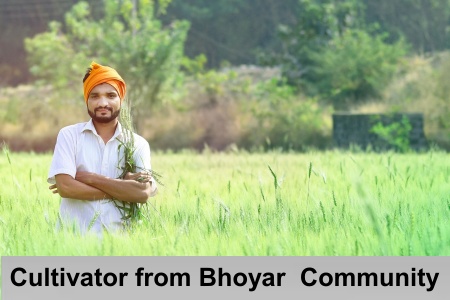
Bhoyar Caste
Bhoyar Caste is largely found in the Central Provinces of the country. Traditional occupation of Bhoyars is agriculture. They are good cultivators and...
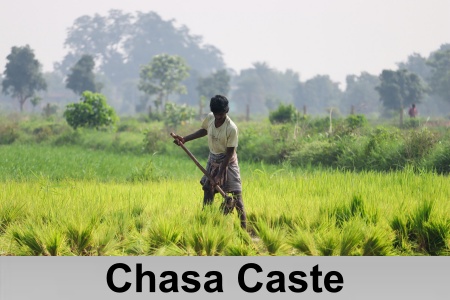
Chasa Caste
Chasa caste is a prominent agrarian community native to Odisha. Traditionally associated with cultivation and farming, Chasas have historically played...
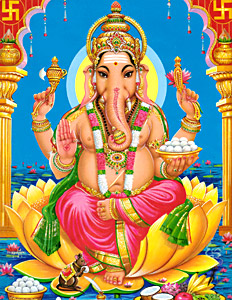
Vigneswara, A Form of Lord Ganesha
Lord Vigneswara is another form of Lord Ganesha or Vinayaka, prominently worshipped as the God of intelligence and good luck in the Indian subcontinen...
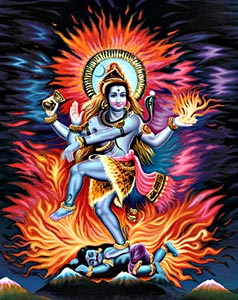
Maheswara
Maheswara, meaning “the Great Lord,” is a revered name of Lord Shiva in Hindu tradition. It represents Shiva’s supreme authority over creation, preser...
Related articles in Religion in India
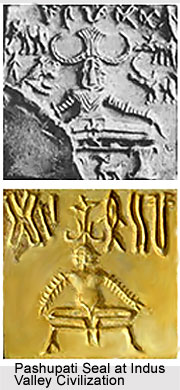
Religion in Indus Valley Civilization
Religion in Indus Valley Civilisation included Hinduism, Buddhism and Jainism. Details about the religion in Indus Valley Civilization have been gathe...
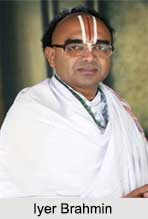
Iyer Brahmin
Iyer Brahmins are originally from Tamil Nadu of South India. They are known for their adherence to Advaita philosophy and Smarta traditions. Tradition...
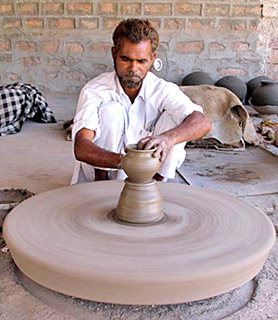
Kumbhakar / Kumhar Caste
Kumbhakar or Kumhar caste is a traditional artisan community in India known for pottery making. Derived from Sanskrit word Kumbhakar, meaning potter,...

Gujjars in Mughal Era
Gujjars in the Mughal era enjoyed great power. Further their power increased with the decline of Aurangzeb, Mughal emperor.
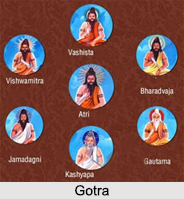
Gotra in Hinduism
In Hinduism, gotra refers to a lineage system tracing descent from ancient sages, primarily through the paternal line. Originating from Vedic traditio...