
Dilli Polasi is a Dravidian deity who is represented by a number of pots that are placed one on top of another, the largest at the bottom that is hung in a network of rope. These pots are seen in any village house. The household worship is also very simple. The wife`s mother sends new clothes to her daughter and son-in-law. They wear these clothes and tie the ends together, sit near the household god, while the village story-teller, dressed as a Brahman, gives a forecast of the coming year. He imitates a Brahman in reading their horoscopes and the prediction is a favourable one. The husband and wife remarry. The wife removes her tali which is worn around her neck. The story-teller now acts as a priest, furnishes a new string and her husband again ties it around her neck as he did on the first wedding day. Thereafter Goddess Dilli Polasi is worshipped.
The public worship is more often engaged in by one family or a group of related families. In this worship an earthen image is made which is allowed to fall to pieces in sun and rain afterwards. The head of the family acts as priest. The pots and ropes are taken to the water and they are left there all night. In the morning the family head summons all the relatives. A sheep is sacrificed. Thereafter a muggu is made on the ground and another sheep is sacrificed. The ropes and pots are taken from the water and carried in procession through the village. When the house is reached another sheep is sacrificed. The person who executes cuts the throat and then takes it by the rear legs; he swings it around several times. This is offered to the evil spirits which may be hovering in the air. It is hoped that after being appeased they will not attempt to enter the house. The people enter the house and worship the earthen image of Dilli Polasi. Now the story is told and if the family is able to hire a story-teller of ability it may continue for many days.
Goddess Dilli Polasi
Dilli Polasi is a Dravidian deity who is worshipped as a village and a household deity.
Recently updated articles in Religion in India
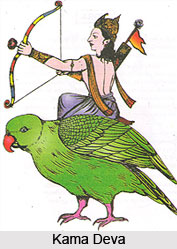
Kusumayudha
Kusumayudha is a name of Kamadeva, the Hindu God of Love. Depicted with a sugarcane bow and flower-tipped arrows, he represents attraction and longing...
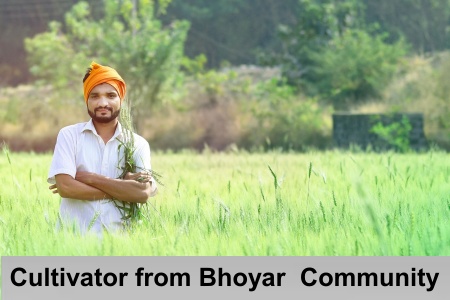
Bhoyar Caste
Bhoyar Caste is largely found in the Central Provinces of the country. Traditional occupation of Bhoyars is agriculture. They are good cultivators and...
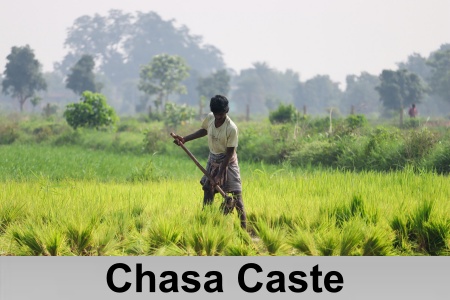
Chasa Caste
Chasa caste is a prominent agrarian community native to Odisha. Traditionally associated with cultivation and farming, Chasas have historically played...
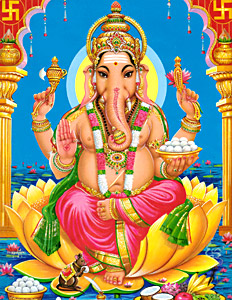
Vigneswara, A Form of Lord Ganesha
Lord Vigneswara is another form of Lord Ganesha or Vinayaka, prominently worshipped as the God of intelligence and good luck in the Indian subcontinen...
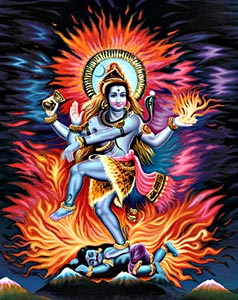
Maheswara
Maheswara, meaning “the Great Lord,” is a revered name of Lord Shiva in Hindu tradition. It represents Shiva’s supreme authority over creation, preser...
Related articles in Religion in India
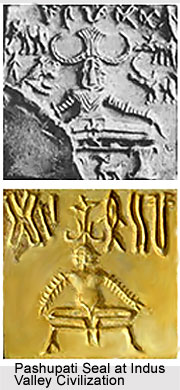
Religion in Indus Valley Civilization
Religion in Indus Valley Civilisation included Hinduism, Buddhism and Jainism. Details about the religion in Indus Valley Civilization have been gathe...
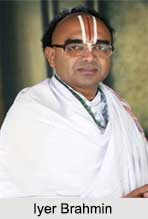
Iyer Brahmin
Iyer Brahmins are originally from Tamil Nadu of South India. They are known for their adherence to Advaita philosophy and Smarta traditions. Tradition...
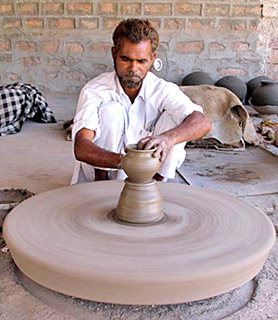
Kumbhakar / Kumhar Caste
Kumbhakar or Kumhar caste is a traditional artisan community in India known for pottery making. Derived from Sanskrit word Kumbhakar, meaning potter,...

Gujjars in Mughal Era
Gujjars in the Mughal era enjoyed great power. Further their power increased with the decline of Aurangzeb, Mughal emperor.
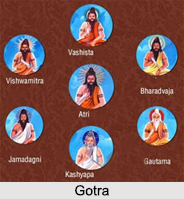
Gotra in Hinduism
In Hinduism, gotra refers to a lineage system tracing descent from ancient sages, primarily through the paternal line. Originating from Vedic traditio...