 The Ganesha Parthiva Puja Vrata is one of the vratas of Lord Ganesha. The religious ritual begins from the bright Shravana Chaturthi and continues up to the fourth day of the bright fortnight of Bhadrapada. The Upasana Khanda of the Ganesha Purana also mentions the number of days during which the Ganesha Parthiva Puja Vrata can be performed in order to get rid of disease or to obtain release from the imprisonment.
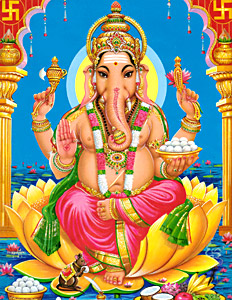
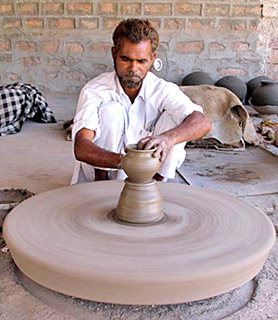
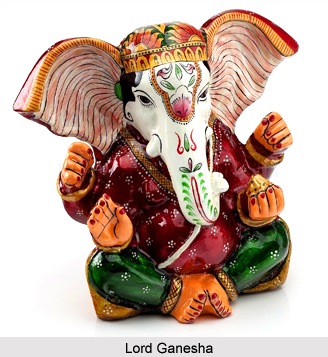
A four-armed figure of Lord Ganesha is sanctified on the beginning of the Ganesha Parthiva Puja Vrata. The image is usually created of terracotta or pure clay. It can also be formed of mud collected from an ant hill or the river bank.
The Ganesha Parthiva Puja Vrata is one of the vratas of Lord Ganesha. The religious ritual begins from the bright Shravana Chaturthi and continues up to the fourth day of the bright fortnight of Bhadrapada. The Upasana Khanda of the Ganesha Purana also mentions the number of days during which the Ganesha Parthiva Puja Vrata can be performed in order to get rid of disease or to obtain release from the imprisonment.
A four-armed figure of Lord Ganesha is sanctified on the beginning of the Ganesha Parthiva Puja Vrata. The image is usually created of terracotta or pure clay. It can also be formed of mud collected from an ant hill or the river bank.
The figure which is consecrated is then embellished with various ornaments and jewellery. The figure of Lord Ganesha is then installed while reciting the mantras in the specially developed mandapa. Throughout the performance of the Ganesha Parthiva Puja Vrata the idol is then worshipped according to the prescribed rituals. The sacred rituals are conducted for a month. During the end of the ritual and the performance of the vrata, a ritualistic worship is performed by offering food to the Brahmanas (Brahmins) and the chaste housewives. Afterwards, the Ganesha statue is then taken in procession and consigned into the river.
According to the ancient religious scriptures, various types of Ganesha idols are worshipped for attaining different types of outcomes. One or two images of Ganesha are adored for accomplishing of extremely difficult tasks; three Ganesha images are worshipped for achieving of wealth; four idols are sanctified for getting of the children and achieving dharma; five Ganesha idols are consecrated for attaining royal status; six images are sanctified for achieving creative excellence; seven to nine figures of Lord Ganesha are worshipped for achieving divine knowledge; and ten idols are consecrated for achieving blessings of all the gods.
This article is a stub. You may enrich it by adding more information to it. You can send your write-up at content@indianetzone.com