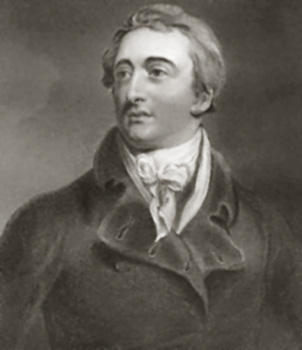
 Lord William Bentinck appointed two committees to inquire into the expenditure on civil and military affairs of the English Company and make recommendations for its reduction. The Committees went into the whole matter and made their recommendations. Accepting their recommendations Bentinck cut down many allowances and reduced the salaries of the civil servants. He also halved the Bhatta allowances paid to the military allowances. In November 1828, an order was issued by which the Bhatta was reduced by 50 percent at all stations within 400 miles of Calcutta (presently Kolkata). There was a lot of agitation against the Governor General who was openly insulted and condemned by the Anglo-Indian Press. In spite of opposition, Bentinck stuck to his guns and ultimately the opposition died down.
Bentinck abolished the Provincial Courts of Appeal and Circuit. An attempt was made to increase the revenues of the English Company by regulating the opium trade. Bentinck had evolved the system of licenses for the direct conveyance of opium from Malwa to Bombay (presently Mumbai) and thereby it added to the revenues of the government. The revenue of the government was added as the government resumed many of the revenue-free lands.
The revenue settlement of the North-Western Province was also carried out. Bentinck attended to this problem as soon as he came to India. He had evolved a plan of settlement which had become a law in 1833. It can be said that the revenue system undoubtedly encouraged the improvement of the soil and guaranteed a definite amount of revenue to the government. The employment of the Indians in the service of the English Company also resulted in some kind of economy. The salaries paid to the Indians were much lower than those paid to the Europeans.
The net result of the all the financial reforms was that the finances of the English Company were rehabilitated. Instead of a deficit of one million, Bentinck left behind a surplus of two millions.
This article is a stub. You can enrich by adding more information to it. Send your Write Up to content@indianetzone.com