
Examination of Sudden Death, which has been discussed in the chapter VII of Book IV in Arthashastra, provides a long and well explained procedure for treating the corpse. According to the Examination of Sudden Death the corpse shall be smeared with oil and examined. It leaves a number of signs of identification with which the cause of death shall be detected.
Examination of Sudden Death as such recognises that the bodies which have swollen body parts and swollen organs have been usually dying due to suffocation ;any person with contracted arms and thighs may be regarded as having being killed in hanging ; person with swollen hands, legs, and protruding eyes have been dying due to hanging ; any person with bitten tongue between teeth and stiff stomach is a case of death due to drowning; those having blood marks and marks of strangling are usually the cases of accidental deaths. Further persons killed with broken arms and limbs have been thrown off while the dead bodies turning blue in colour and complexion is due to poisoning the person before death. As such the chapter recognises nine types of unconventional deaths which need to be scrutinised under perfect supervision.
Examination of sudden death also mentions that death can be due to punishments when the prisoner has been too severe. Overall all kinds of sudden deaths usually centre around causes like offence to women or kinsmen, claiming inheritances, professional competition, hatred against rivals, commerce, guilds and any one of the legal disputes is the cause of anger and anger is the cause of death. In case the deceased was brought by any third person, queries like who brought him, who was with him etc will be the issues of query.
Thus, the rules explained in this chapter have been crucial for they will help to assess the level of criminality and the level of punishments of severe nature which has been administered by the state. As such the verification of the death remains important as it will decide the funeral rites.
This article is a stub. You can enrich by adding more information to it. Send your Write Up to content@indianetzone.com
Examination of Sudden Death
Examination of sudden death, as provided in chapter VII of book IV in Arthashastra, lays down a series of procedure which will help the experts to examine the actual cause of death.
Recently updated articles in History of India
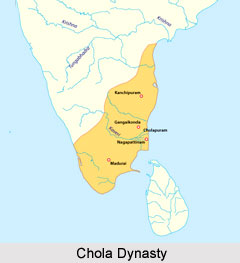
Chola Dynasty
Chola Dynasty is a Tamil dynasty and had longest duration of ruling in parts of South India. Chola dynasty had ruled South India successfully for a ex...
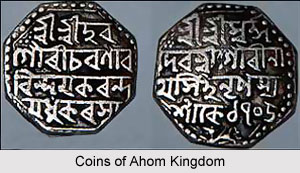
Suhungmung
Suhungmung was the fourteenth ruler of the Ahom dynasty who ruled from the period 1497 to 1539 AD. His reign was significant in terms of expansion of...
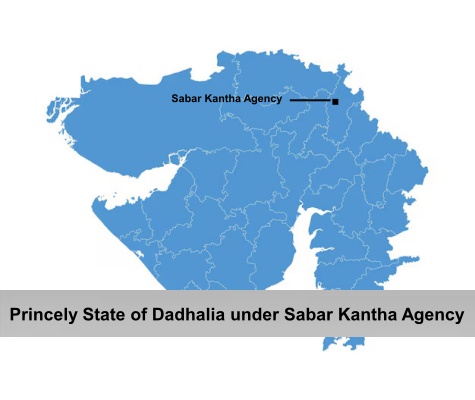
Princely State of Dadhalia
Princely State of Dadhalia was located in the present state of Gujarat. The state covered a total area of 28 sq miles and comprised of 15 villages. Th...
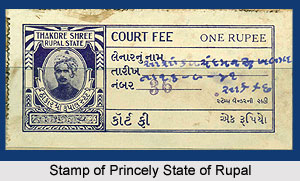
Princely State of Rupal
Princely State of Rupal was a part of the Baroda Agency, a sub division of Western India States Agency. It was under the administrative control of the...
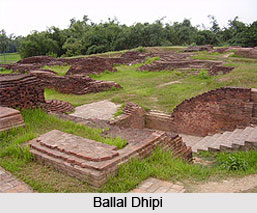
Archaeological Sites of West Bengal
Archaeological sites of West Bengal reveal several aspects of ancient India. Excavations by the Archaeological Survey of India have furnished artefact...
Related articles in History of India

Mughal Architecture during Babur
Mughal architecture during Babur marked the foundation of a new architectural era in India, blending Timurid, Persian, and local influences. His reign...

Architecture during Sayyid and Lodi Dynasty
Architectures during the Sayyid and Lodi dynasty were mainly the tombs and monuments for the dead rulers. It were carefully designed and meticulously...

Brahmanical Sources of Ancient History
Brahmanical Sources of ancient history are contained in the Vedas and they constitute one of the most important literary sources of information about...

Coins of Chola Empire
Coins of Chola Empire were issued in gold, silver and copper and carried the Chola emblem.

Coins of Khilji Dynasty
Coins of Khilji Dynasty had an influential feature that was followed by the other dynasties.