
Encampment, as mentioned in Chapter I of book X in Arthashastra, provides a detailed description of the camps to be made on the site which is declared to be the best according to the science of buildings, the leader, the carpenter as well as the astrologer, which should be either circular, rectangular or square for the camp which should be in accordance with the available space, consists of four gates, six roads and nine divisions.
Encampment further provides the minimum requirement which each of the camp must ensure. The king`s quarter which is provides with ditches, parapets, walls doors and watch towers for the defence from enemies, should be located within the nine divisions to the north from the centre which is as long as 1000 bows and half broad. It shall have its harem on its west while the army to be situated in the extreme west of the harem; it should also include an area for worshiping god; to his right the departments of finance and accounts; and to his left the quarters of the elephants and horses mounted by the king himself. Outside this, at a distance of 100 bows from each other, there should be fixed four cart poles, pillars, and walls. In the first of the four of these quarters the ministers and the priests should have their quarters, to the right the store houses and the kitchen; to the left the store houses for raw products and the weapons. In the second division there should be the quarters of the hereditary army, and the horses and chariots; outside this the quarters of the hunters and keepers of dogs, their trumpets along with the quarters of the spies and sentinels.
Encampment further assigns certain roles which are to be included as the regular duty of the officers in charge. This includes the role of the eighteenth division of the sentinels who are employed for maintaining the security of the king should continue changing their watches in turn; in order to keep a watch on the movement of the spies the time table of the business should also be prepared during the day time; the officers in charge of boundaries should regularly supervise the activities of the commander in chief and observe the instructions given to the army; it should also follow methods of passport to restrict intrusion as well as to prohibit vices like drinking, gambling, and entering into disputes within the camps. Along with this the treatise also provides instructions for providing water supply in the camps.
Overall the Chapter on Encampment includes all the immediate requirements of a camp which the conqueror should ensure as he begins his expedition for a conquest. Along with providing shelter to its army, it should also ensure their security.
Encampment
Encampment mainly describes the requirements which are included in the preparation of war. Chapter I of book X in Arthashastra begins with the description of the camps which shall be made in accordance with the topography as well as demands of astrology under the relationship of the Nayaka or the leader.
Recently updated articles in History of India
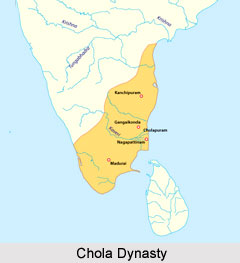
Chola Dynasty
Chola Dynasty is a Tamil dynasty and had longest duration of ruling in parts of South India. Chola dynasty had ruled South India successfully for a ex...
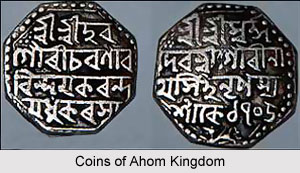
Suhungmung
Suhungmung was the fourteenth ruler of the Ahom dynasty who ruled from the period 1497 to 1539 AD. His reign was significant in terms of expansion of...
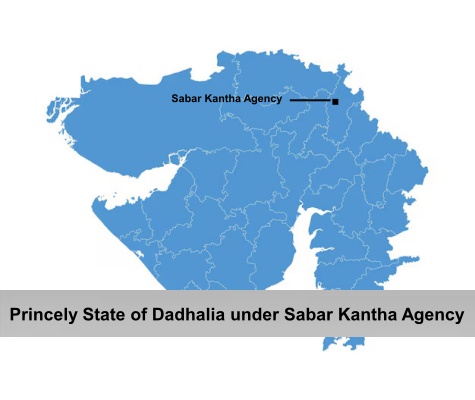
Princely State of Dadhalia
Princely State of Dadhalia was located in the present state of Gujarat. The state covered a total area of 28 sq miles and comprised of 15 villages. Th...
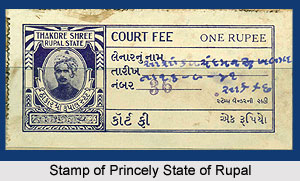
Princely State of Rupal
Princely State of Rupal was a part of the Baroda Agency, a sub division of Western India States Agency. It was under the administrative control of the...
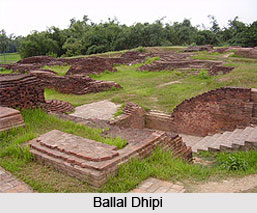
Archaeological Sites of West Bengal
Archaeological sites of West Bengal reveal several aspects of ancient India. Excavations by the Archaeological Survey of India have furnished artefact...
Related articles in History of India

Mughal Architecture during Babur
Mughal architecture during Babur marked the foundation of a new architectural era in India, blending Timurid, Persian, and local influences. His reign...

Architecture during Sayyid and Lodi Dynasty
Architectures during the Sayyid and Lodi dynasty were mainly the tombs and monuments for the dead rulers. It were carefully designed and meticulously...

Brahmanical Sources of Ancient History
Brahmanical Sources of ancient history are contained in the Vedas and they constitute one of the most important literary sources of information about...

Coins of Chola Empire
Coins of Chola Empire were issued in gold, silver and copper and carried the Chola emblem.

Coins of Khilji Dynasty
Coins of Khilji Dynasty had an influential feature that was followed by the other dynasties.