
As per mythology, it is said that Ekachakra is one of the renowned Demon and is the son of Danu and Kasyapa.
The city in which Bhima and his mother were advised by the sage Vyasa to reside, it was in this city that Bhima destroyed the cannibal Vaka.
One day, it is said, the Pandavas heard a great noise in the house in which they were dwelling, and enquiring into its cause, were told that the demon compelled the king of Ekachakra every day to send him a great quantity of provisions. Vaka, daily devoured the man as well as the provisions and that on that very day the family of the Brahman was required to supply the man. While reposing in an inner apartment the Pandavas overheard the father, the mother, and the daughter, each urging a separate claim to be allowed to suffer for the rest.
On overhearing their discussion Bhima offered to go in place of the Brahman to save the family. After some discussion the Brahman reluctantly consented to Bhima`s request to go to the Asura. Bhima set out with the ordained quantity of provisions, and went on until he came to the Lanyan tree under which Vaka was accustomed to eat his meals. Bhima then ate up all the victuals that were in the wagon and refilled it with dirt.
Vaka then came forward ravenous with hunger, and finding nothing but dirt, struck Bhima in a great rage. They then tore up large tress by the roots and fought together until not a tree was left. They then fought with their fists until the Asura was spent; when Bhima seized him by the legs and rent him as under.
The date of the story is fixed in the age of Buddhism. Ekachakra has been identified as the modern Arrah.
This article is a stub. You can enrich by adding more information to it. Send your Write Up to content@indianetzone.com
Ekachakra - Son of Danu
Ekachakra is one of the renowned demons and is the son of Danu and Kasyapa.
Recently updated articles in Religion in India
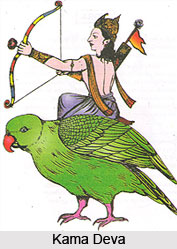
Kusumayudha
Kusumayudha is a name of Kamadeva, the Hindu God of Love. Depicted with a sugarcane bow and flower-tipped arrows, he represents attraction and longing...
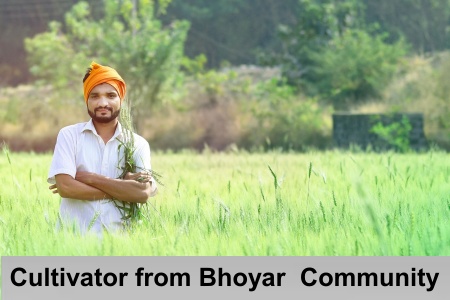
Bhoyar Caste
Bhoyar Caste is largely found in the Central Provinces of the country. Traditional occupation of Bhoyars is agriculture. They are good cultivators and...
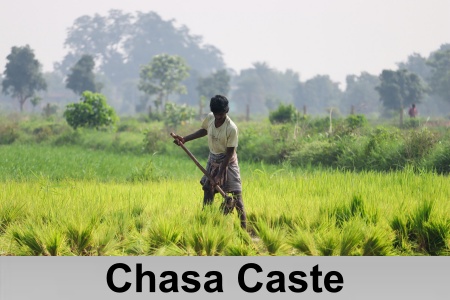
Chasa Caste
Chasa caste is a prominent agrarian community native to Odisha. Traditionally associated with cultivation and farming, Chasas have historically played...
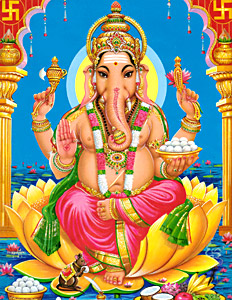
Vigneswara, A Form of Lord Ganesha
Lord Vigneswara is another form of Lord Ganesha or Vinayaka, prominently worshipped as the God of intelligence and good luck in the Indian subcontinen...
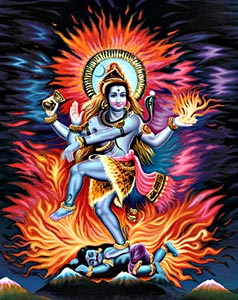
Maheswara
Maheswara, meaning “the Great Lord,” is a revered name of Lord Shiva in Hindu tradition. It represents Shiva’s supreme authority over creation, preser...
Related articles in Religion in India
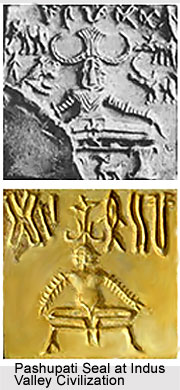
Religion in Indus Valley Civilization
Religion in Indus Valley Civilisation included Hinduism, Buddhism and Jainism. Details about the religion in Indus Valley Civilization have been gathe...
Iyer Brahmin
Iyer Brahmins are originally from Tamil Nadu of South India. They are known for their adherence to Advaita philosophy and Smarta traditions. Tradition...
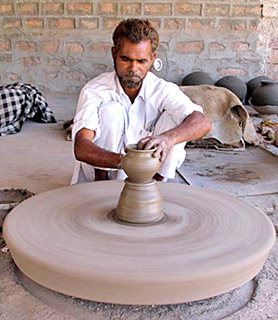
Kumbhakar / Kumhar Caste
Kumbhakar or Kumhar caste is a traditional artisan community in India known for pottery making. Derived from Sanskrit word Kumbhakar, meaning potter,...

Gujjars in Mughal Era
Gujjars in the Mughal era enjoyed great power. Further their power increased with the decline of Aurangzeb, Mughal emperor.
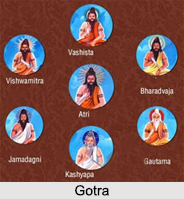
Gotra in Hinduism
In Hinduism, gotra refers to a lineage system tracing descent from ancient sages, primarily through the paternal line. Originating from Vedic traditio...