
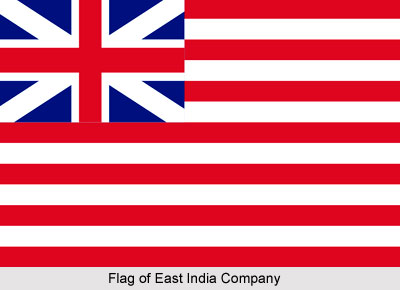
 During the British supremacy in India, Indian states were numbered to 562, covering a total area of 712,508 square kilometers. The making of the Indian states was largely governed by the same circumstances, which led to the growth of the east India Company`s power in India. Many Indian states, independent or the semi independent came into existence from the remains of the disintegrated Mughal Empire. The East India Company became political power during the same period. They build up their power from the weakness of the Central Mughal authority. Many states like Hyderabad, Oudh, Rajput etc were not conquered. Rather they accepted the English sovereignty. Apart from these, the British in the process of overthrow of the Maratha confederacy also created several states. However the historians have opined that the East India Company had followed a strict diplomatic policy to bring, all the provincial states under their own control. For a protracted period of time the East India Company maintained the political supremacy of the Indian states. With a number of policies like The company`s struggle for Equality, The Policy of Ring Fence or Buffer state, The Policy of subordinate Isolation, Policy of Equal Federation, the company further fortified its strength.
Indian States during East India Company Rule
For a protracted period of time the East India Company maintained the political supremacy of the Indian states.
During the British supremacy in India, Indian states were numbered to 562, covering a total area of 712,508 square kilometers. The making of the Indian states was largely governed by the same circumstances, which led to the growth of the east India Company`s power in India. Many Indian states, independent or the semi independent came into existence from the remains of the disintegrated Mughal Empire. The East India Company became political power during the same period. They build up their power from the weakness of the Central Mughal authority. Many states like Hyderabad, Oudh, Rajput etc were not conquered. Rather they accepted the English sovereignty. Apart from these, the British in the process of overthrow of the Maratha confederacy also created several states. However the historians have opined that the East India Company had followed a strict diplomatic policy to bring, all the provincial states under their own control. For a protracted period of time the East India Company maintained the political supremacy of the Indian states. With a number of policies like The company`s struggle for Equality, The Policy of Ring Fence or Buffer state, The Policy of subordinate Isolation, Policy of Equal Federation, the company further fortified its strength.
Recently updated articles in History of India
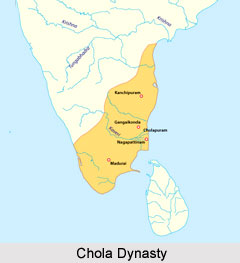
Chola Dynasty
Chola Dynasty is a Tamil dynasty and had longest duration of ruling in parts of South India. Chola dynasty had ruled South India successfully for a ex...
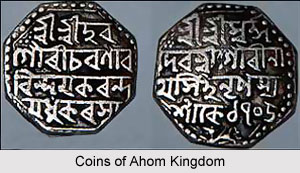
Suhungmung
Suhungmung was the fourteenth ruler of the Ahom dynasty who ruled from the period 1497 to 1539 AD. His reign was significant in terms of expansion of...
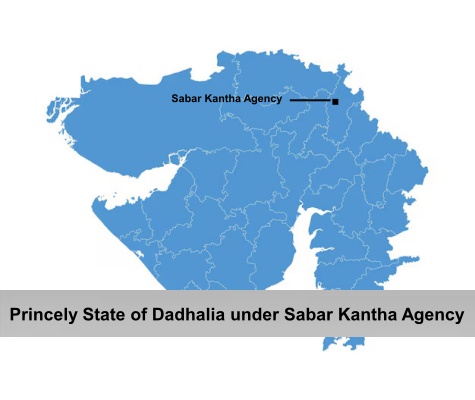
Princely State of Dadhalia
Princely State of Dadhalia was located in the present state of Gujarat. The state covered a total area of 28 sq miles and comprised of 15 villages. Th...
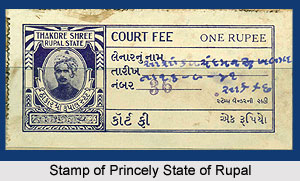
Princely State of Rupal
Princely State of Rupal was a part of the Baroda Agency, a sub division of Western India States Agency. It was under the administrative control of the...
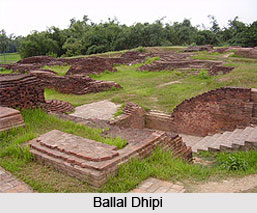
Archaeological Sites of West Bengal
Archaeological sites of West Bengal reveal several aspects of ancient India. Excavations by the Archaeological Survey of India have furnished artefact...
Related articles in History of India

Mughal Architecture during Babur
Mughal architecture during Babur marked the foundation of a new architectural era in India, blending Timurid, Persian, and local influences. His reign...

Architecture during Sayyid and Lodi Dynasty
Architectures during the Sayyid and Lodi dynasty were mainly the tombs and monuments for the dead rulers. It were carefully designed and meticulously...

Brahmanical Sources of Ancient History
Brahmanical Sources of ancient history are contained in the Vedas and they constitute one of the most important literary sources of information about...

Coins of Chola Empire
Coins of Chola Empire were issued in gold, silver and copper and carried the Chola emblem.

Coins of Khilji Dynasty
Coins of Khilji Dynasty had an influential feature that was followed by the other dynasties.