
Dhundukara creation hymn is referred to as the hymn of Guru Nanak Dev. According to the Puratan Janam Sakhi this hymn was composed by Guru Nanak during his third journey (CE 1515-17) in which he had made a visit to Kashmir. This hymn has sixteen verses.
The first verse has a reference to the pre-creation state as well as state of the Infinite Lord of that time. In the second and third verses a general description of the state sunna state and creation. The fourth, sixth, seventh, eighth, tenth and thirteen is about the description of the non-existence of various Hindu gods, religious practices and scriptures. The fifth and ninth speaks about Nath and Sant traditions that is also inclusive of the non-existence of their leaders Gorakh and Machhindra. In the eleventh and thirteen verses the description is about the non-existence of the Muslim religious practices and scriptures. In the twelfth verse again the topic spoken about is the non-existence of the general human relationships.
In the thirteenth verse Guru Nanak has stressed on two main things: Firstly there was a non-existent state of the world and the visible things in it. Secondly, the existence of the never-ending, invisible and His Will is affirmed. Here emphasis is more on the absolute nature of the Creator.
In the second part of the Dhundukara hymn verses 14, 15 and 16 Guru Nanak describes how creation takes place. The reason behind creation has been clearly given. According to him it is because of the `Will` of the Creator. In the fourteen and fifteen number verses gives a clear description of how the Creator made the whole that also includes forces of creation, sustenance and destruction. In the sixteenth verse Guru Nanak says that he has received this knowledge from an ideal teacher.
The summary of the hymn is found in the fifteenth verse. It is said that through the act of creation the Creator Lord has made himself known. The phrase dhundhukara itself is again very striking. It has been translated as `chaos`, `utter darkness` and `darkness`. The meaning in Punjabi language is its root, dhund, is mist. Therefore it can be concluded that through the phrase Dhundukara, Guru Nanak has tried to describe the state before creation.
Dhundukara
Dhundukara is hymn on concept of creation in Guru Granth Sahib. This is one of the most popular hymns.
Recently updated articles in Religion in India
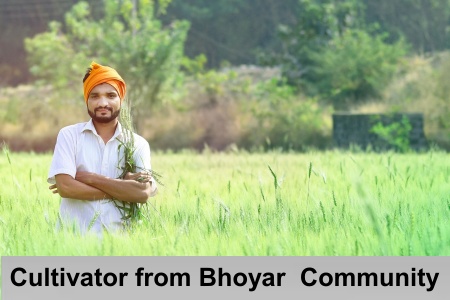
Bhoyar Caste
Bhoyar Caste is largely found in the Central Provinces of the country. Traditional occupation of Bhoyars is agriculture. They are good cultivators and...
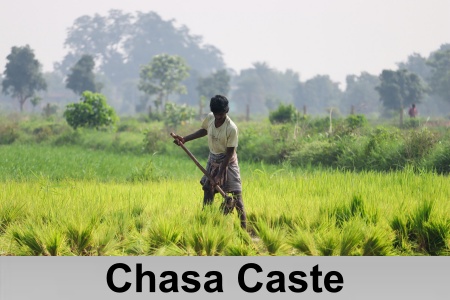
Chasa Caste
Chasa caste is a prominent agrarian community native to Odisha. Traditionally associated with cultivation and farming, Chasas have historically played...
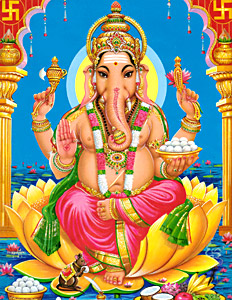
Vigneswara, A Form of Lord Ganesha
Lord Vigneswara is another form of Lord Ganesha or Vinayaka, prominently worshipped as the God of intelligence and good luck in the Indian subcontinen...
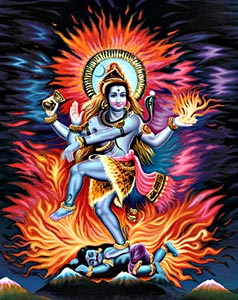
Maheswara
Maheswara, meaning “the Great Lord,” is a revered name of Lord Shiva in Hindu tradition. It represents Shiva’s supreme authority over creation, preser...
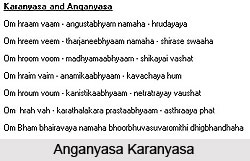
Anganyasa and Karanyasa
Anganyasa and Karanyasa are preparatory rituals in Hindu worship that sanctify the body and hands through the recitation of sacred mantras and symboli...
Related articles in Religion in India

Religion in Indus Valley Civilization
Religion in Indus Valley Civilisation included Hinduism, Buddhism and Jainism. Details about the religion in Indus Valley Civilization have been gathe...

Iyer Brahmin
Iyer Brahmins are originally from Tamil Nadu of South India. They are known for their adherence to Advaita philosophy and Smarta traditions. Tradition...

Kumbhakar / Kumhar Caste
Kumbhakar or Kumhar caste is a traditional artisan community in India known for pottery making. Derived from Sanskrit word Kumbhakar, meaning potter,...

Gujjars in Mughal Era
Gujjars in the Mughal era enjoyed great power. Further their power increased with the decline of Aurangzeb, Mughal emperor.

Gotra in Hinduism
In Hinduism, gotra refers to a lineage system tracing descent from ancient sages, primarily through the paternal line. Originating from Vedic traditio...