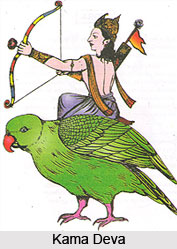
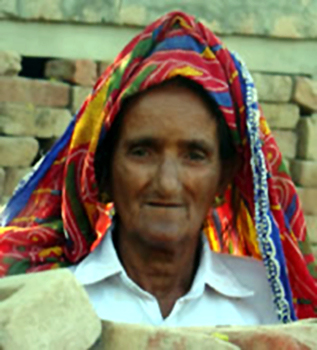
 Dhanuk caste is considered as a prominent caste of Bihar. They are also found in the adjoining state of Jharkhand. Dhanuk caste is mainly the caste of agriculturists. The name of Dhanuk caste is derived from the Sanskrit term `dhanuska`, which means an archer. This caste of India is regarded as an ancient one because reference of its origin can also be found in Padma Purana. Scholars are of the opinion that formerly, Dhanuks were actively a part of the militia of the country. The Dhanuks are minority indigenous people and they are also known as Rajbanshis.
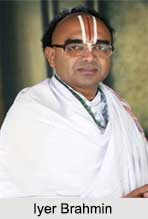
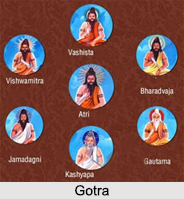
Dhanuk caste has no major sub castes. The names of the gotras or the family groups of Dhanuk caste are apparently territorial. Some of these names are Maragaiyan from Maragaon; Barodhaya from Barodha village; Pangarya from Panagar; Benaikawar from Benaika village; Binjharia from Bindhya or Vindhya; and so on. In Dhanuk community, marriages within the same gotra or clan are prohibited. Further, marriages between the first cousins are also not allowed. Child marriage is usual in Dhanuk caste. In their community, the boy`s father takes all the initiative for arranging a match for his son. Further, in their society, if a man is willing to find a match for his daughter then he must seek the help of his relatives for getting a good proposal, as it is considered derogatory to take any decision without consulting. In Dhanuk society, marriage contract is usually made at the house of the boy, which is inviolable. When the bridegroom leaves for the bride`s village, several rituals are observed by his mother. A number of rituals and customs are followed in wedding ceremonies. They also employ a Brahmin priest for performing the marriage rituals. Widow re-marriage and divorce are allowed in Dhanuk society.
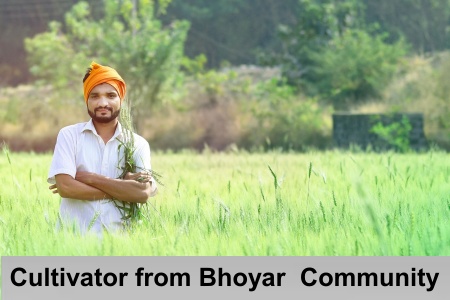
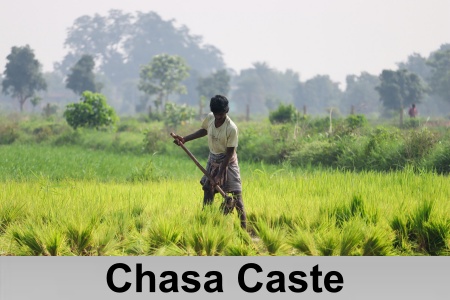
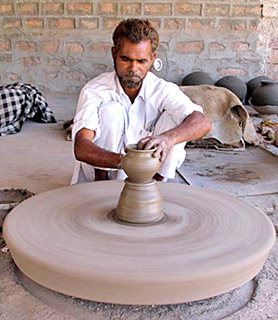
Some members of the Dhanuk caste work as tenants. However, majority of the Dhanuks are working as field labourers and farm servants. Few of them also serve as village watchmen. The Dhanuks are religious people and they observe their indigenous set of beliefs and customs. They eat flesh and fish and they refrain from liquor. Dhanuk caste is said to have a mixed organisation structure.