
Determination of Forms of Agreement had been a major concern of Kautilya as he discusses it extensively in the chapter I of Book III, Concerning Laws, in Arthashastra. Agreements are required to run the administration of justice smoothly. As mentioned in the Arthashastra in the cities of Sangrahana, Dronmukha and Sthanikas and where all the districts meet, three officers who are fluent with the knowledge of Dharmashastra or Sacred Laws and three officers who from king`s ministry (amatyas) shall carry on the administration of justice. They shall possess the powers to hold an agreement as void agreement, enter into seclusion inside the house, in the forest, in the dead of night, in secret or with fraud. They shall have full authority to impose amercement and decide the ranges of fines which will be imposed on the offenders.
Determination of Forms of Agreements define the structure of administration and justice of the Maurya Empire, the rules under which the state functions, the policies which are made according to these rules and the basic functioning of the state machinery. As such the forms which are mentioned in the Arthashastra include those agreements which are related to the division of inheritance, sealed and unsealed deposits, or marriages, or those which are concerning women. Transactions relating to robbery, duel, marriages, or the execution of king`s orders as well as agreement with such persons who shall work for them in the night shall be considered valid. With regard to the persons who live in the forests, whether as merchants, hermits, cowherds, hunters, or spies shall have their agreement valid; also in case of fraudulent agreement only those entered by the spies shall be valid. Agreements entered by the members of an association within themselves shall be valid as private agreements.
Determination of forms of agreement also specifies the variety of agreements which are void in nature. This may include the agreements entered during seclusion, except those which have been mentioned earlier. This shall also include those agreements entered into by the dependent or unauthorised persons such as fathers, mothers or any family members. Even such agreements shall be treated as void which has been signed when the person signing the agreement under provocation is suffering from anxiety or intoxication or was lunatic or haunted.
Thus, Determination of forms of agreements describes the criterion on which both valid as well as invalid agreements shall be included. The agreement which has been signed by two persons of same interests shall remain valid till it provides suitable circumstances; nature, description and qualities of the cases are credible. It shall also include the bills for exchange and such laws.
Determination of Forms of Agreements
Determination of Forms of Agreements form a major part of king’s administration which is included in Chapter I of Book III in Arthashastra. This includes various forms of agreements that take place in the state to regularise the state functioning.
Recently updated articles in History of India
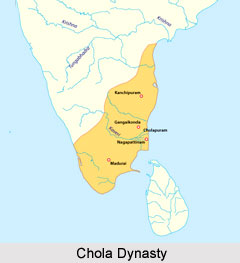
Chola Dynasty
Chola Dynasty is a Tamil dynasty and had longest duration of ruling in parts of South India. Chola dynasty had ruled South India successfully for a ex...
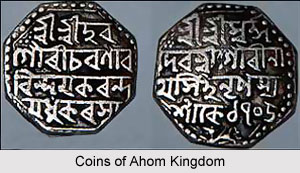
Suhungmung
Suhungmung was the fourteenth ruler of the Ahom dynasty who ruled from the period 1497 to 1539 AD. His reign was significant in terms of expansion of...
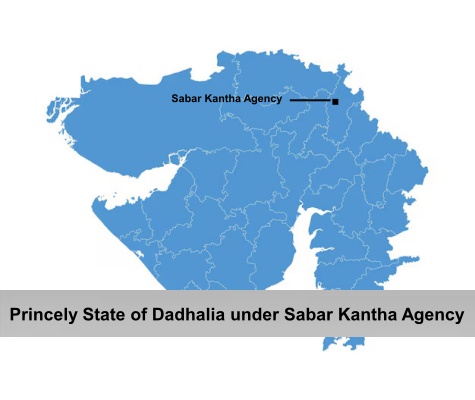
Princely State of Dadhalia
Princely State of Dadhalia was located in the present state of Gujarat. The state covered a total area of 28 sq miles and comprised of 15 villages. Th...
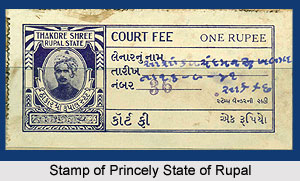
Princely State of Rupal
Princely State of Rupal was a part of the Baroda Agency, a sub division of Western India States Agency. It was under the administrative control of the...
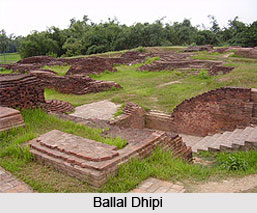
Archaeological Sites of West Bengal
Archaeological sites of West Bengal reveal several aspects of ancient India. Excavations by the Archaeological Survey of India have furnished artefact...
Related articles in History of India

Mughal Architecture during Babur
Mughal architecture during Babur marked the foundation of a new architectural era in India, blending Timurid, Persian, and local influences. His reign...
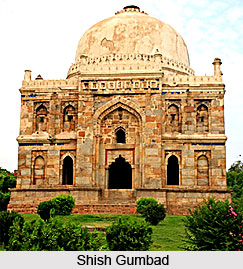
Architecture during Sayyid and Lodi Dynasty
Architectures during the Sayyid and Lodi dynasty were mainly the tombs and monuments for the dead rulers. It were carefully designed and meticulously...
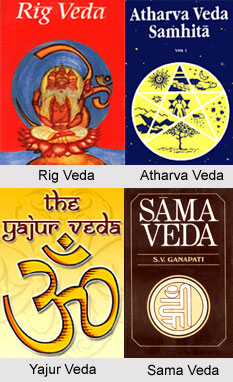
Brahmanical Sources of Ancient History
Brahmanical Sources of ancient history are contained in the Vedas and they constitute one of the most important literary sources of information about...
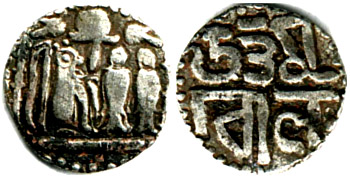
Coins of Chola Empire
Coins of Chola Empire were issued in gold, silver and copper and carried the Chola emblem.
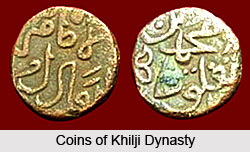
Coins of Khilji Dynasty
Coins of Khilji Dynasty had an influential feature that was followed by the other dynasties.