
The death rites among the Jains are regarded as very important. The Jains cremate the dead as soon as possible. The dead body is properly dressed up. It is earlier rubbed with a wet cloth. The corpse is then clothed and placed in a bier and covered with a kafan. It is then decorated with beautiful flowers and garlands. Usually sandalwood garlands are more preferred and offered to the dead ones. The members of the family put the sign of swastika near the casket. On the swastika sign a whole coconut is placed and incense sticks are burnt. After decorating the casket the members of the family recite hymns and sing devotional songs for some time. All the people who gather around for the rites pay their tribute to the dead person.
Next the dead body is tied to the bier and carried to the crematorium. A suitable place is selected where no living organisms like grass or insects can be seen. This is done to avoid causing harm to them. On the selected place a platform of wood is erected.
The body is taken from the bier and placed on the platform with logs of wood over it. Water and rice is put on the body three times. Following this camphor oil and sandalwood powder are sprinkled all over the body and then ghee is applied on the hands, forehead and feet. The eldest son of the deceased does the last rituals.
The son walks round the pyre three times and sprinkles water all over the dead body. He then lights up the pyre and chants the Namokar Mantra. After waiting for some time he pours milk over the place. The remains are collected in bags and the place is thoroughly cleansed. The remains are not immersed in rivers as they can pollute the water. Hence a hole is dug in the earth and the remains are put inside it. Some salt is also sprinkled over it so that it dissolves easily.
According to the Jains the dead soul would be reborn immediately. So for them death is a festival or Mahotsav. Loud wailing and observing anniversaries are not part of the Jain Tradition.
Death Rites in Jainism
Death rites among the Jains comprise of cremation of the dead body. It includes many rituals and the final rites are performed by the eldest son.
Recently updated articles in Religion in India
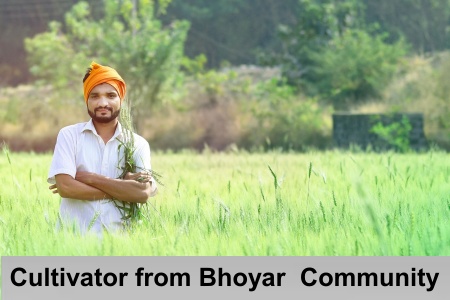
Bhoyar Caste
Bhoyar Caste is largely found in the Central Provinces of the country. Traditional occupation of Bhoyars is agriculture. They are good cultivators and...
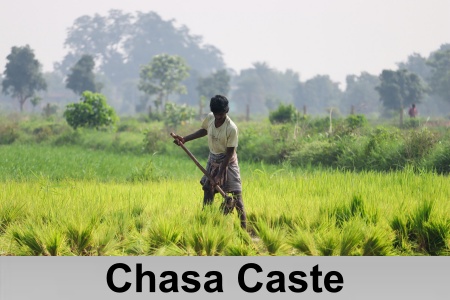
Chasa Caste
Chasa caste is a prominent agrarian community native to Odisha. Traditionally associated with cultivation and farming, Chasas have historically played...
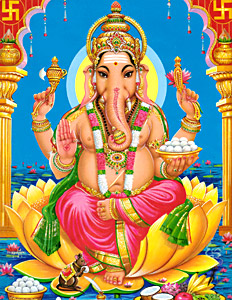
Vigneswara, A Form of Lord Ganesha
Lord Vigneswara is another form of Lord Ganesha or Vinayaka, prominently worshipped as the God of intelligence and good luck in the Indian subcontinen...
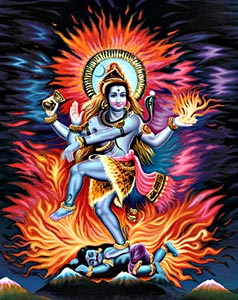
Maheswara
Maheswara, meaning “the Great Lord,” is a revered name of Lord Shiva in Hindu tradition. It represents Shiva’s supreme authority over creation, preser...
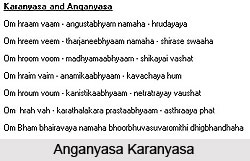
Anganyasa and Karanyasa
Anganyasa and Karanyasa are preparatory rituals in Hindu worship that sanctify the body and hands through the recitation of sacred mantras and symboli...
Related articles in Religion in India
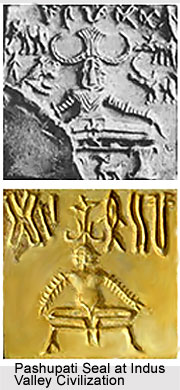
Religion in Indus Valley Civilization
Religion in Indus Valley Civilisation included Hinduism, Buddhism and Jainism. Details about the religion in Indus Valley Civilization have been gathe...
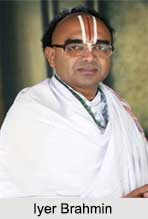
Iyer Brahmin
Iyer Brahmins are originally from Tamil Nadu of South India. They are known for their adherence to Advaita philosophy and Smarta traditions. Tradition...
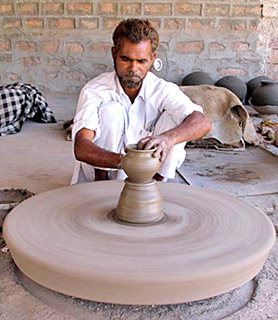
Kumbhakar / Kumhar Caste
Kumbhakar or Kumhar caste is a traditional artisan community in India known for pottery making. Derived from Sanskrit word Kumbhakar, meaning potter,...

Gujjars in Mughal Era
Gujjars in the Mughal era enjoyed great power. Further their power increased with the decline of Aurangzeb, Mughal emperor.
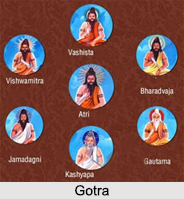
Gotra in Hinduism
In Hinduism, gotra refers to a lineage system tracing descent from ancient sages, primarily through the paternal line. Originating from Vedic traditio...